
Topic guide · 24 articles
Heat Pump Guides for South Carolina Homes
Straight answers about heat-pump operation, defrost, auxiliary heat, efficiency, repair, sizing, and replacement.
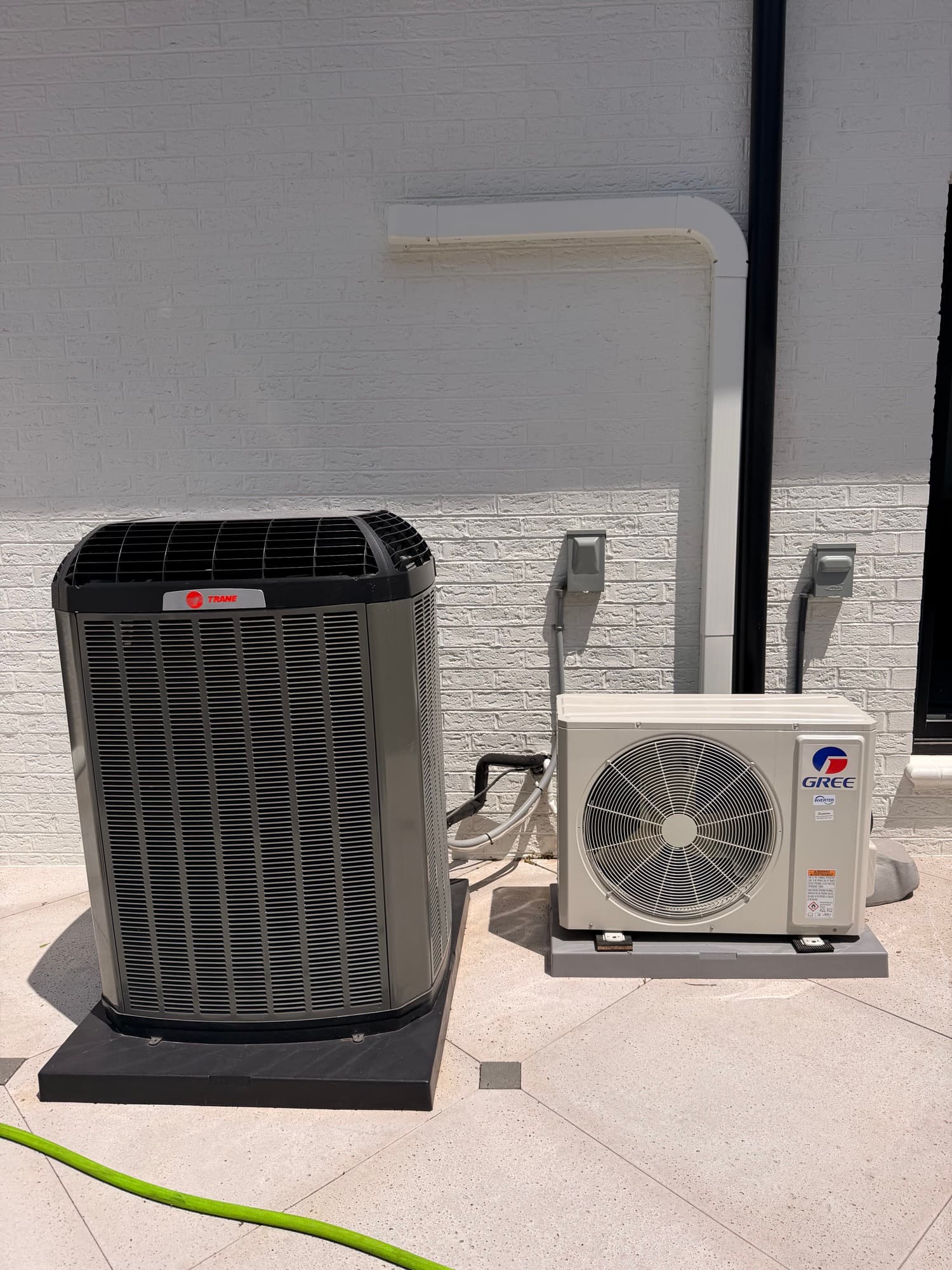
How a Heat Pump Heats and Cools a South Carolina Home
A heat pump moves heat between indoors and outdoors, reversing refrigerant flow to cool in summer and heat in winter. Its controls, airflow, refrigerant circuit, and backup-heat arrangement must work together…
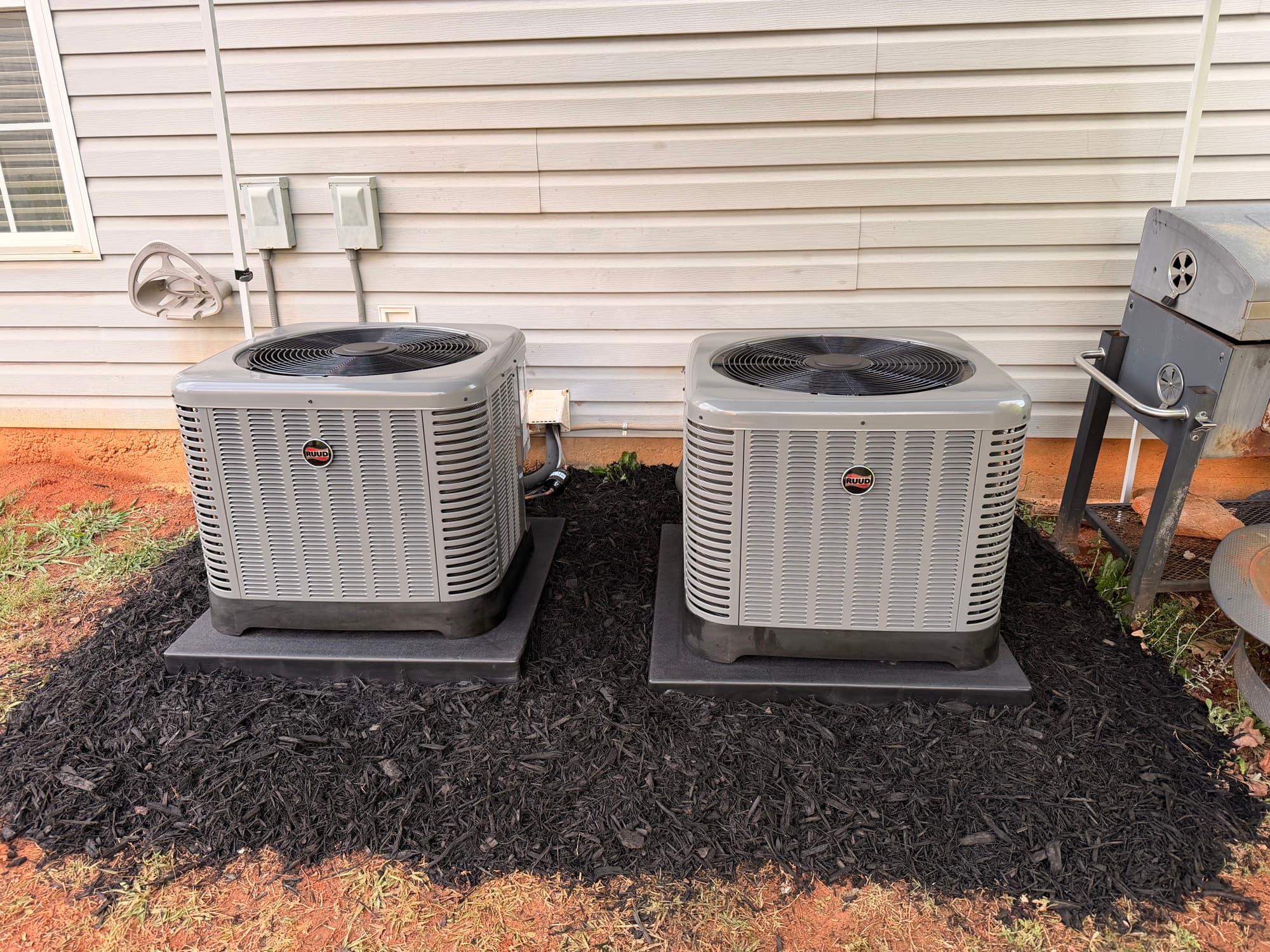
What Does the Auxiliary Heat Light Mean?
Auxiliary heat can run normally during cold weather, defrost, or recovery from a thermostat setback because the heat pump needs help. Frequent or unexplained auxiliary operation in mild weather may signal a…
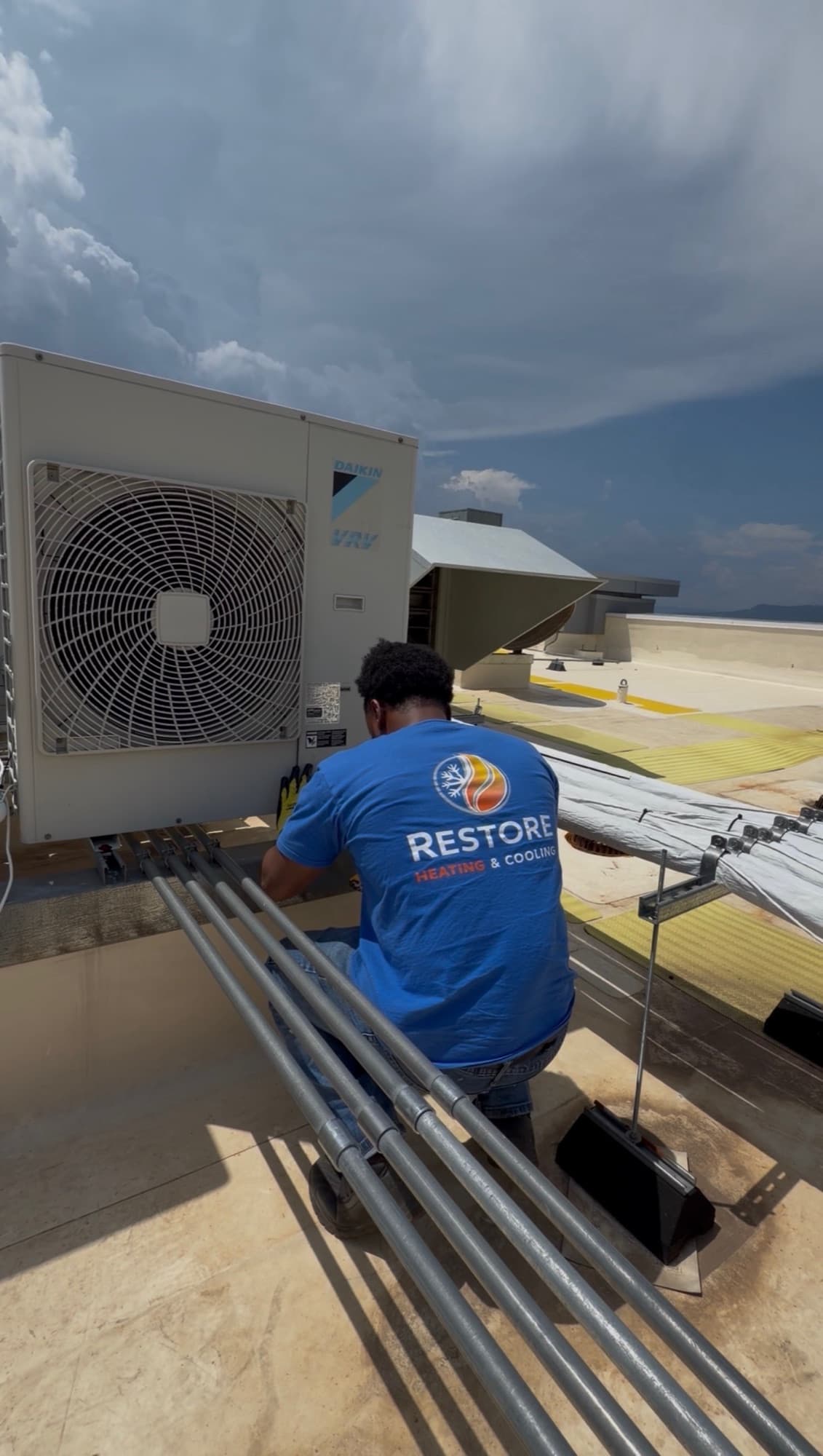
When Should You Use Emergency Heat on a Heat Pump?
Emergency heat is generally a manual backup setting for a failed or intentionally disabled outdoor heat-pump section, not a faster everyday heating mode. It can use considerably more electricity depending on…
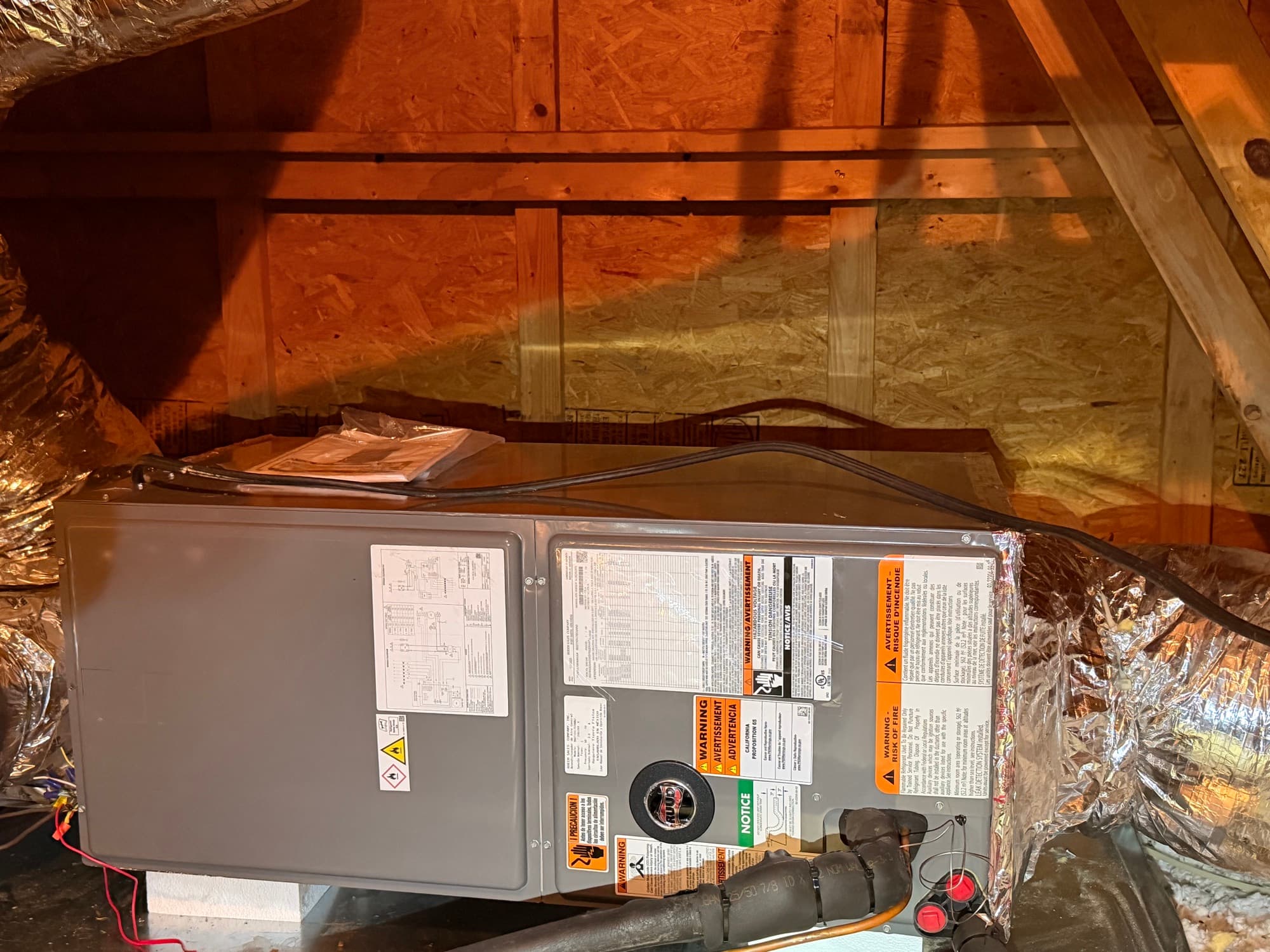
Heat-Pump Defrost Cycles Explained for Homeowners
A defrost cycle temporarily reverses operation to remove frost from the outdoor coil, and the outdoor fan may stop while auxiliary heat tempers indoor air. Brief steam and a change in sound can be normal;…
Why Is a Heat Pump Outdoor Unit Covered in Ice?
A thin temporary frost layer may be normal, but a solid ice coating can result from a defrost fault, airflow blockage, drainage problem, fan issue, or refrigerant-system problem. Continued operation can…
How Heat-Pump Performance Changes in Upstate Cold Weather
As outdoor temperature falls, a heat pump usually delivers less heat while the home needs more, so longer runtime or staged backup heat can be normal. Capacity depends on the specific equipment, installation,…
Can a Large Thermostat Setback Increase Heat-Pump Energy Use?
A large recovery request can trigger electric auxiliary heat, potentially offsetting savings from the setback. Whether that happens depends on thermostat logic, outdoor temperature, equipment capacity, and…
Why Does a Heat Pump Run So Long in Winter?
Heat pumps often run longer than furnaces because they deliver steadier, lower-temperature heat, especially in cold weather. Runtime becomes concerning when the home loses temperature, auxiliary heat behaves…
Heat-Pump Noises: Normal Mode Changes vs. Warning Signs
Clicks, airflow changes, and a brief whoosh during mode reversal can be normal, while grinding, metal impact, loud electrical buzzing, or worsening vibration are warning signs. Sound alone is not a diagnosis,…
Why a Heat Pump May Turn On and Off Too Often
Rapid cycling can come from thermostat location or setup, restricted airflow, controls, equipment sizing, electrical problems, or refrigerant-system faults. Repeated short cycles can reduce comfort and add…
Heat Pump Not Cooling in Summer? Start With Mode and Airflow
A heat pump can lose summer cooling because of thermostat mode, filter restriction, indoor or outdoor airflow, drainage safeties, electrical faults, or the refrigeration circuit. Ice, repeated breaker trips,…
Possible Reversing-Valve Problems in a Heat Pump
A heat pump stuck in one mode, producing the wrong temperature, or failing during defrost may have a reversing-valve or control issue, but thermostat wiring and other faults can look similar. Diagnosis…
How a Dirty Outdoor Coil Affects a Heat Pump Year-Round
A coated outdoor coil restricts heat transfer in both cooling and heating, which can reduce capacity and raise operating stress. Pollen, grass clippings, lint, and damaged fins require cleaning methods…
Signs a Heat Pump May Have a Refrigerant Problem
Reduced capacity, unusual icing, long runtime, or abnormal temperatures can suggest a refrigerant problem, but airflow and controls can cause similar symptoms. Refrigerant is not consumed in normal operation,…
Why a Heat-Pump Electric Bill May Rise in Winter
Colder weather, auxiliary-heat use, thermostat recovery, duct loss, filter restriction, or equipment faults can all increase consumption. Compare usage with weather and runtime before assuming the heat pump…
What Is a Dual-Fuel Heat-Pump System?
A dual-fuel system combines a heat pump with a fuel-burning furnace and changes heat sources based on controls and operating conditions. Good performance depends on compatible equipment, safe venting, correct…
Single-Stage vs. Variable-Speed Heat Pumps for Humid Climates
Variable-capacity equipment can run at lower output for longer periods, which may improve temperature consistency and moisture removal when correctly sized and commissioned. Value depends on the house, duct…
Heat-Pump Sizing: Why Bigger Is Not Automatically Better
Oversizing can shorten cycles and weaken humidity control, while undersizing can miss comfort needs during design conditions. Selection should use a room-aware load calculation and verified duct capacity…
How Long Can a Heat Pump Last in South Carolina?
Heat-pump life varies widely with runtime, installation, maintenance, coastal or environmental exposure, electrical quality, and repair history. Age is useful context, but condition and repair economics…
What a Professional Heat-Pump Tune-Up Should Document
A thorough visit should evaluate heating and cooling modes, airflow, coils, drainage, electrical condition, refrigerant performance, defrost, thermostat controls, and backup heat. Findings should be…
Repair or Replace an Aging Heat Pump? Questions to Compare
The decision should compare the confirmed fault, repair scope, equipment condition, comfort, efficiency, refrigerant availability, warranty, and likely near-term needs. A high repair price alone does not…
Is That Smart Thermostat Compatible With Your Heat Pump?
Compatibility depends on heat-pump stages, auxiliary or dual-fuel heat, reversing-valve logic, wiring, power requirements, and control features. A thermostat that turns on basic heat may still stage the…
Choosing Heat-Pump Comfort for a Sunroom or Home Addition
A sunroom or addition may need its own load and airflow solution because glass, orientation, insulation, and use patterns differ from the original house. Extending existing ducts without checking capacity can…
Heat-Pump Considerations for a Small Upstate Shop or Office
A small shop or office heat pump must account for occupancy, doors, lighting, equipment, ventilation, schedules, and service access rather than residential square-foot rules. Lease responsibilities and…
Take the next step
Ready for expert HVAC service?
Schedule online or call for emergency service. Same-day availability across the Upstate.