
What dual fuel heat pump system explained usually means
A dual-fuel system combines a heat pump with a fuel-burning furnace and changes heat sources based on controls and operating conditions. Good performance depends on compatible equipment, safe venting, correct changeover logic, and local energy costs.
The first useful clue
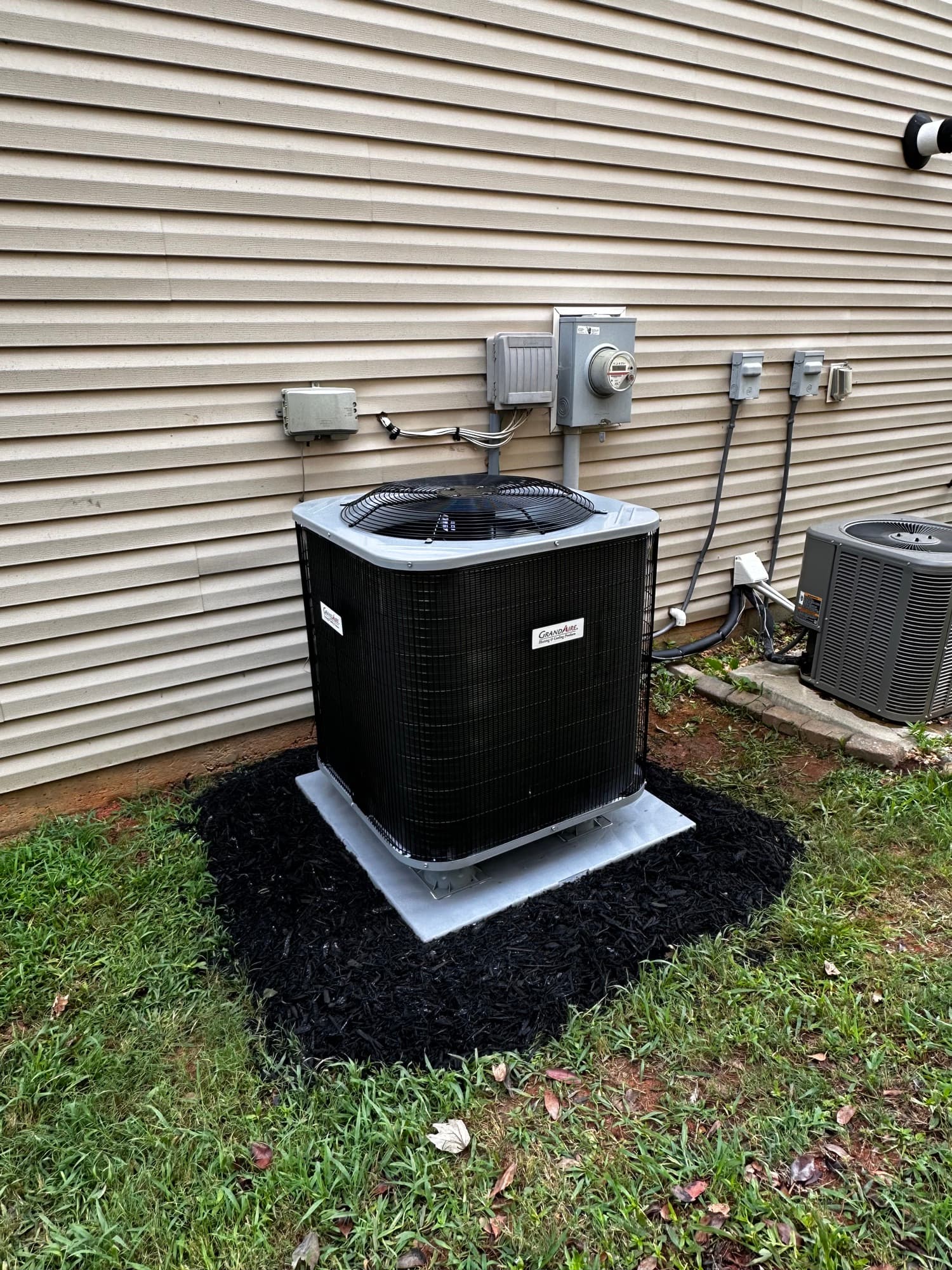
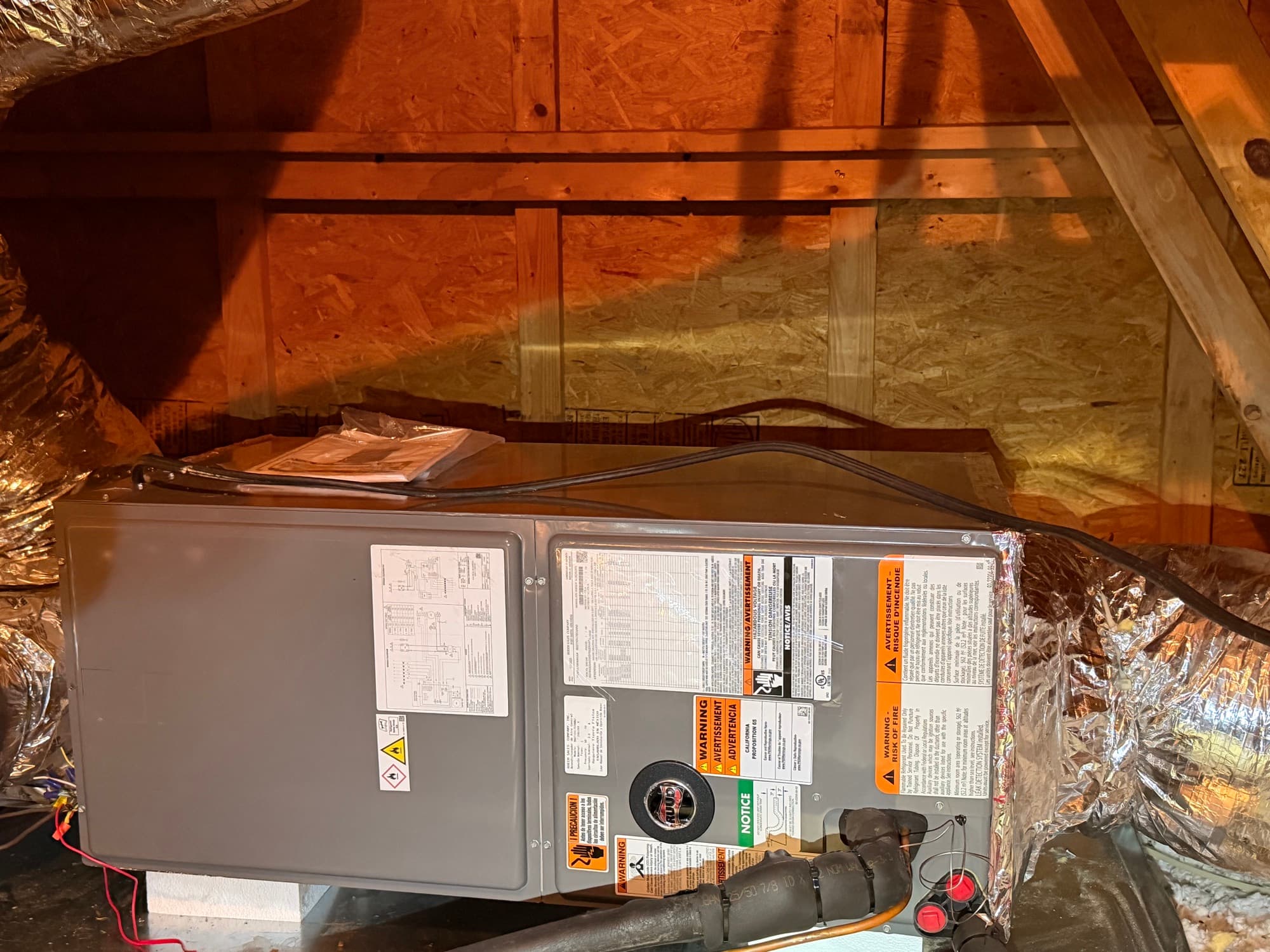
The property has both an outdoor heat-pump unit and an indoor fuel-burning furnace.
Details that narrow down dual fuel heat pump system explained
- Heating changes from the heat pump to the furnace at a repeatable outdoor condition.
- Comfort or noise changes noticeably during the handoff between the two heat sources.
Define the result you need from dual fuel heat pump system explained—restored operation, more even rooms, moisture control, lower risk, or a replacement decision—so the visit answers the right question.
What a homeowner can check safely
Review the thermostat display and equipment documentation, and keep carbon-monoxide alarms working without changing installer settings.
Safety boundary
Do not open panels, bypass controls, chip ice from a coil, handle refrigerant components, or diagnose high-voltage or backup-heat circuits. Burning odors, persistent heavy ice, electrical problems, or loss of heat warrant shutdown and professional help. If you smell burning, suspect gas or carbon monoxide, see arcing, or feel unsafe, shut the system down from a safe location, leave the area when appropriate, and call emergency services or Restore at (864) 479-6737.
What the professional evaluation should answer
Verify equipment matching, heat-pump lockout and furnace changeover, combustion safety, airflow, controls, and economic assumptions.
A clear proposal for dual fuel heat pump system explained states what was tested, what remains uncertain, what the correction includes, and how operation will be verified afterward.
- At what measured or configured condition should the system change heat sources?
- Are current electricity and fuel costs reflected in the economic changeover setting?
- Do equipment matching, airflow, venting, and combustion tests support safe operation in both modes?
Why Upstate South Carolina conditions matter
South Carolina's mixed heating and cooling climate can suit heat pumps, but performance still depends on sizing, building load, ductwork, thermostat configuration, balance point, supplemental heat, and the specific outdoor conditions during the complaint.
Comfort or noise changes noticeably during the handoff between the two heat sources.
How to choose the next step without guesswork
Keep the measurement record and written scope for dual fuel heat pump system explained; it gives another technician the same starting point and makes future decisions less dependent on memory.
- At what measured or configured condition should the system change heat sources?
- Are current electricity and fuel costs reflected in the economic changeover setting?
- Do equipment matching, airflow, venting, and combustion tests support safe operation in both modes?