
How each system heats your home
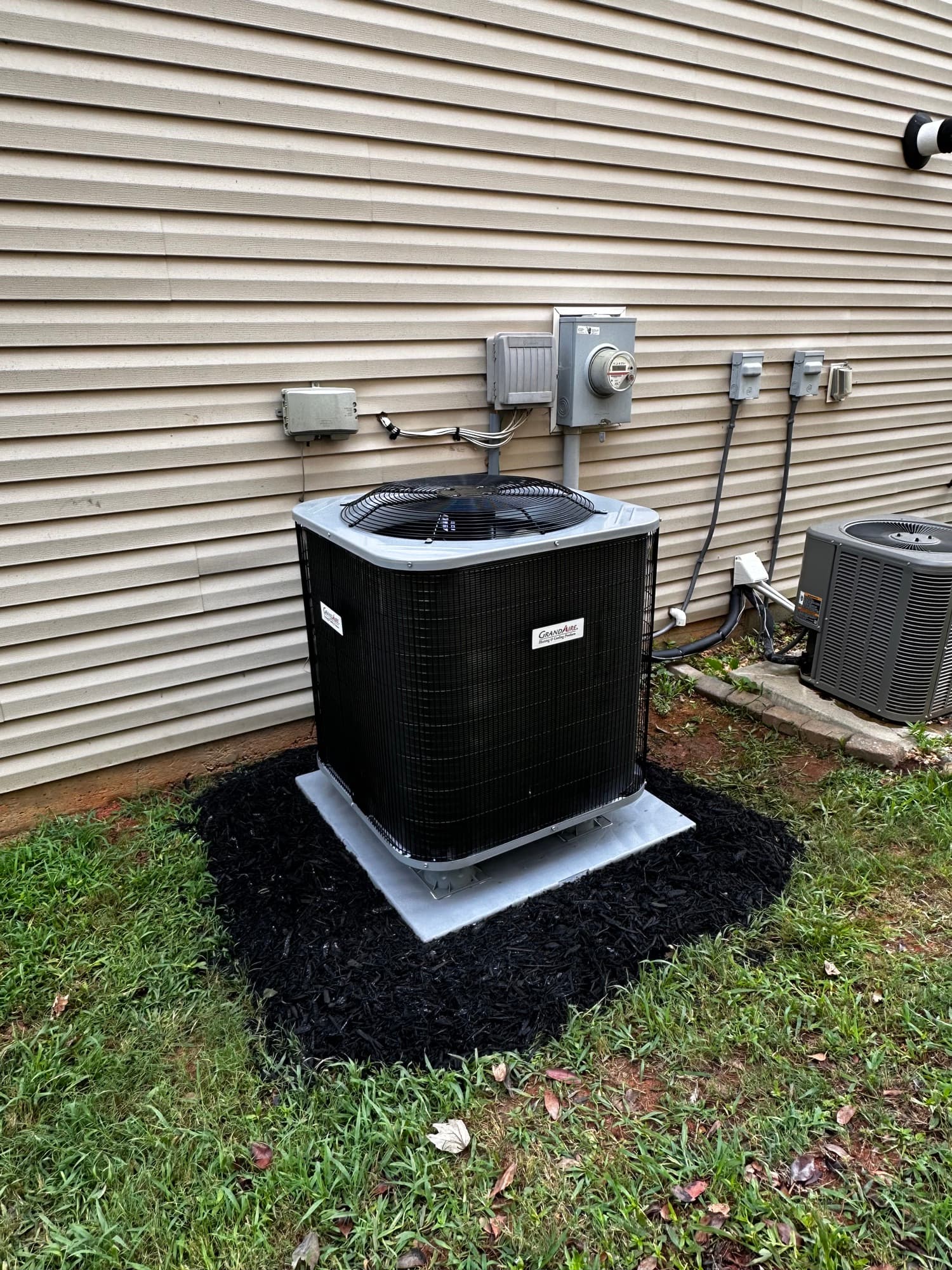
A furnace makes heat by burning fuel (natural gas or propane) or with electric elements, then blows that warmed air through your ducts. A heat pump doesn't make heat so much as move it, it's essentially an air conditioner that can run in reverse, pulling heat from outdoor air into your home in winter and doing the normal cooling job in summer. One heat pump replaces both your AC and your heater.
Why heat pumps fit the Upstate
Modern heat pumps are most efficient in mild-to-moderate winters, exactly what most of the Upstate has. Greenville's January averages roughly a 52°F high and 35°F low, well within the range where a heat pump delivers heat for a fraction of the energy of electric-resistance heating.
- One system for heating and cooling, simpler and often cheaper to maintain.
- High efficiency in our climate, which shows up on winter power bills.
- No combustion indoors, so no gas heat-exchanger or carbon-monoxide risk to inspect.
- Pairs naturally with our long cooling season, where you're buying great AC anyway.
When a furnace or dual-fuel makes more sense
Heat pumps lose efficiency as temperatures approach and drop below freezing, leaning on backup heat strips that raise the power bill. That's where our local microclimates matter.
- Higher elevation: Travelers Rest sits above 1,100 feet with January nights around freezing, colder and earlier than Greenville proper. Cold-climate or dual-fuel setups earn their keep there.
- Existing cheap natural gas: if gas is already run to your home and priced well, a high-efficiency furnace can be economical.
- Preference for gas heat: some homeowners simply prefer the warmer supply-air temperature a furnace produces.
The Upstate sweet spot: dual-fuel
A dual-fuel system pairs a heat pump with a gas furnace. It runs the efficient heat pump in mild weather and automatically switches to the furnace on the coldest nights, often the best overall answer for homes that see a few genuinely cold snaps each winter.
Efficiency, cost, and lifespan
Heat pumps and furnaces have comparable lifespans (roughly 12–18 years with maintenance). A heat pump's year-round use means seasonal tune-ups matter, since it never gets an off-season. On operating cost, a heat pump typically beats electric-resistance and often beats gas in our mild winters, but the right comparison depends on your home, your ductwork, and local gas pricing, which is exactly what a load calculation and estimate sort out.
What we recommend
For most Greenville, Simpsonville, Greer, and Mauldin homes, a properly sized high-efficiency heat pump is our default recommendation, it handles our summers and winters from one system. For higher, colder spots like Travelers Rest, or homes with good gas access, we'll often model a dual-fuel or furnace option and show you the numbers. Whatever the equipment, we start every install with a load calculation so the system matches the house, not a ZIP-code average.
Free written estimate
Thinking about a system replacement? Call (864) 479-6737 or request service online for a free, no-pressure estimate with a real load calculation.