
What heat pump defrost cycle explained usually means
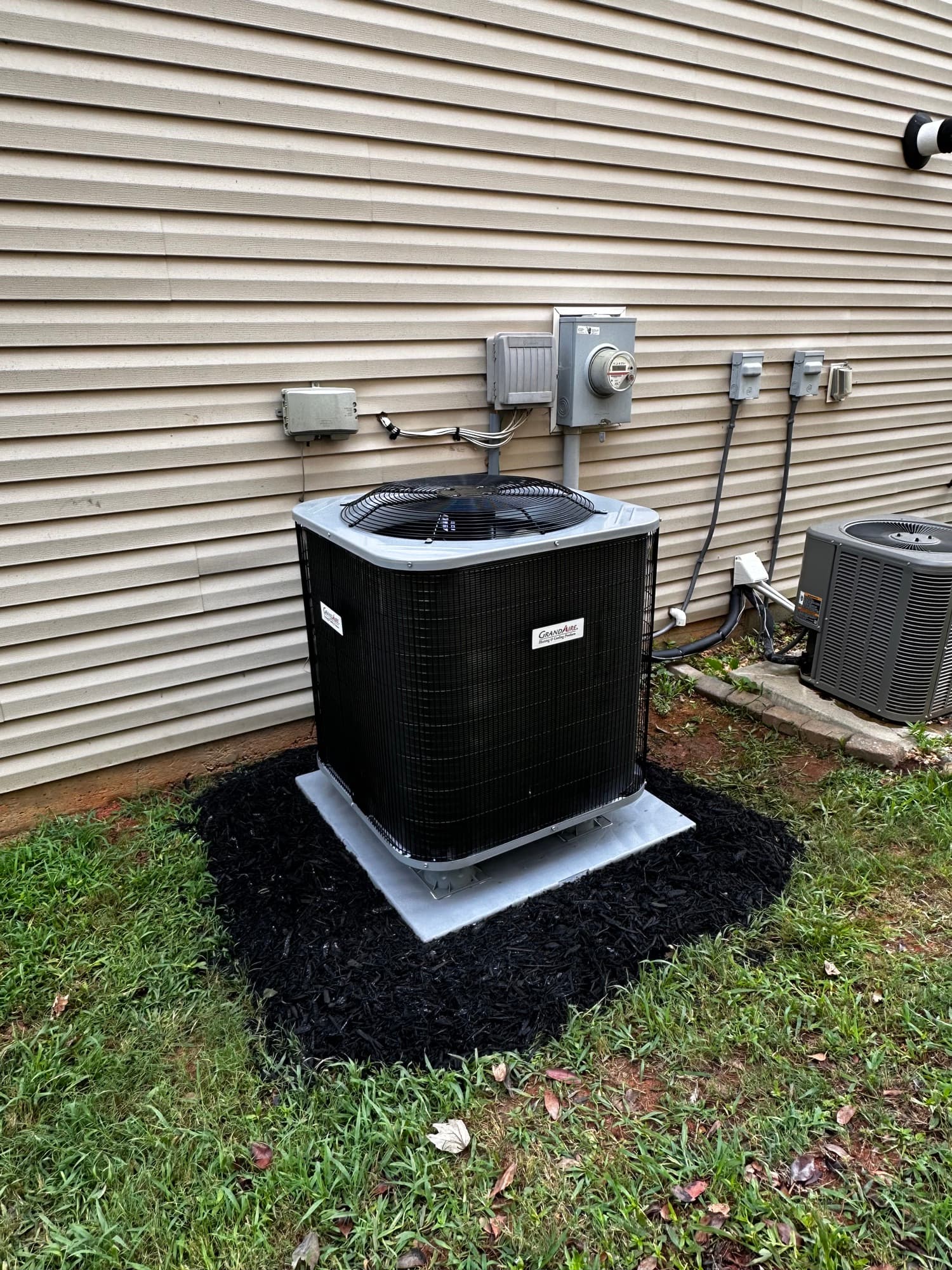
A defrost cycle temporarily reverses operation to remove frost from the outdoor coil, and the outdoor fan may stop while auxiliary heat tempers indoor air. Brief steam and a change in sound can be normal; persistent ice or repeated ineffective cycles are not.
The first useful clue
A light frost layer forms, followed by steam, a sound change, and a clear coil within several minutes.
Details that narrow down heat pump defrost cycle explained
- The outdoor fan pauses briefly while the compressor continues and warmer indoor air is maintained.
- Ice remains after the apparent cycle or defrost repeats unusually often in similar weather.
Define the result you need from heat pump defrost cycle explained—restored operation, more even rooms, moisture control, lower risk, or a replacement decision—so the visit answers the right question.
What a homeowner can check safely
Watch from a safe distance and record cycle frequency, weather, and whether ice clears without touching the coil or fan.
Safety boundary
Do not open panels, bypass controls, chip ice from a coil, handle refrigerant components, or diagnose high-voltage or backup-heat circuits. Burning odors, persistent heavy ice, electrical problems, or loss of heat warrant shutdown and professional help. If you smell burning, suspect gas or carbon monoxide, see arcing, or feel unsafe, shut the system down from a safe location, leave the area when appropriate, and call emergency services or Restore at (864) 479-6737.
What the professional evaluation should answer
Test coil and ambient sensors, control timing, refrigerant performance, airflow, drainage, and auxiliary-heat coordination.
A clear proposal for heat pump defrost cycle explained states what was tested, what remains uncertain, what the correction includes, and how operation will be verified afterward.
- Does each initiated defrost cycle clear the coil within the equipment's expected sequence?
- Are coil and ambient sensors reporting conditions accurately to the defrost control?
- Are drainage and auxiliary-heat staging working correctly while frost is removed?
Why Upstate South Carolina conditions matter
South Carolina's mixed heating and cooling climate can suit heat pumps, but performance still depends on sizing, building load, ductwork, thermostat configuration, balance point, supplemental heat, and the specific outdoor conditions during the complaint.
Ice remains after the apparent cycle or defrost repeats unusually often in similar weather.
How to choose the next step without guesswork
Keep the measurement record and written scope for heat pump defrost cycle explained; it gives another technician the same starting point and makes future decisions less dependent on memory.
- Does each initiated defrost cycle clear the coil within the equipment's expected sequence?
- Are coil and ambient sensors reporting conditions accurately to the defrost control?
- Are drainage and auxiliary-heat staging working correctly while frost is removed?