
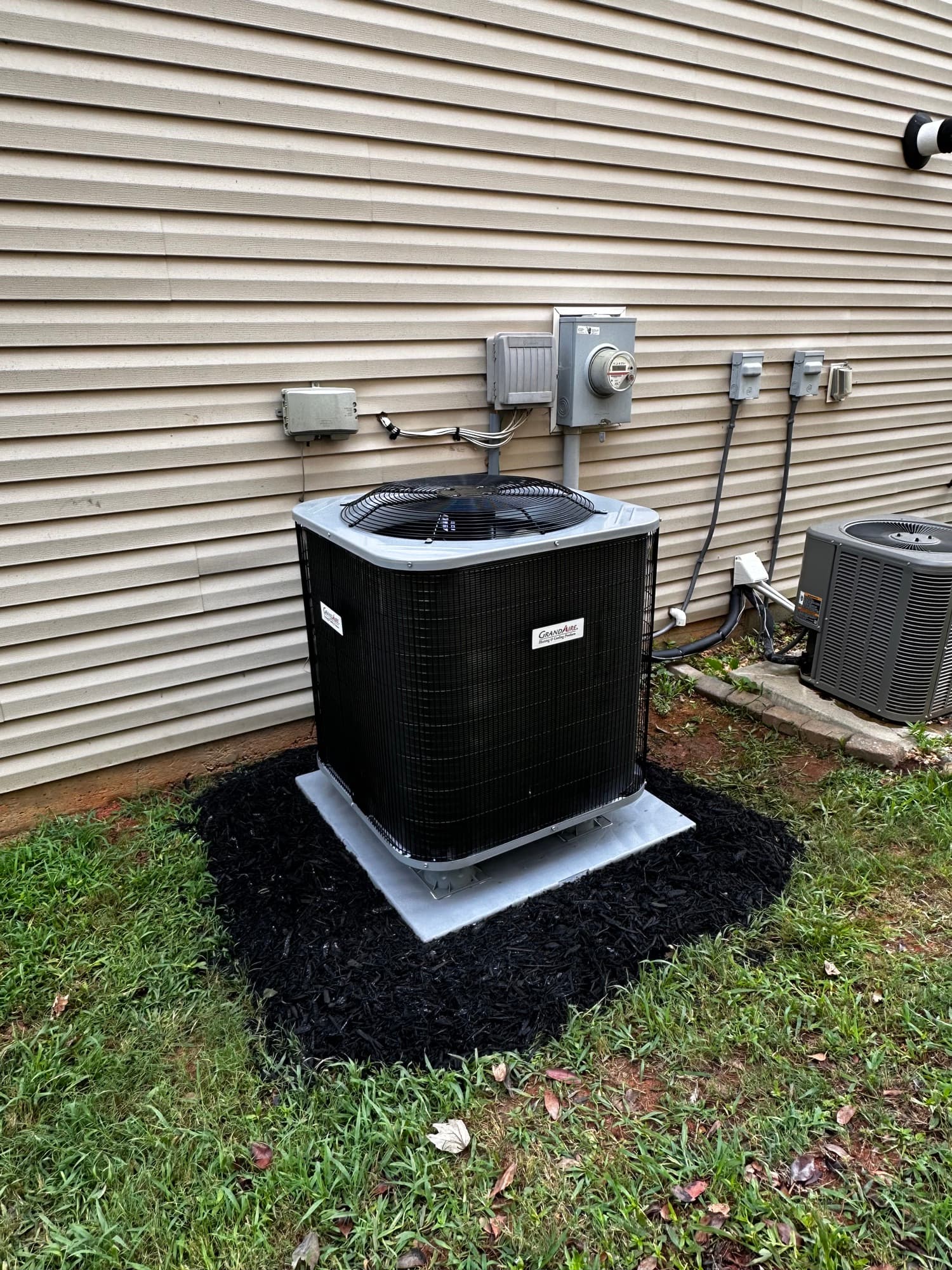
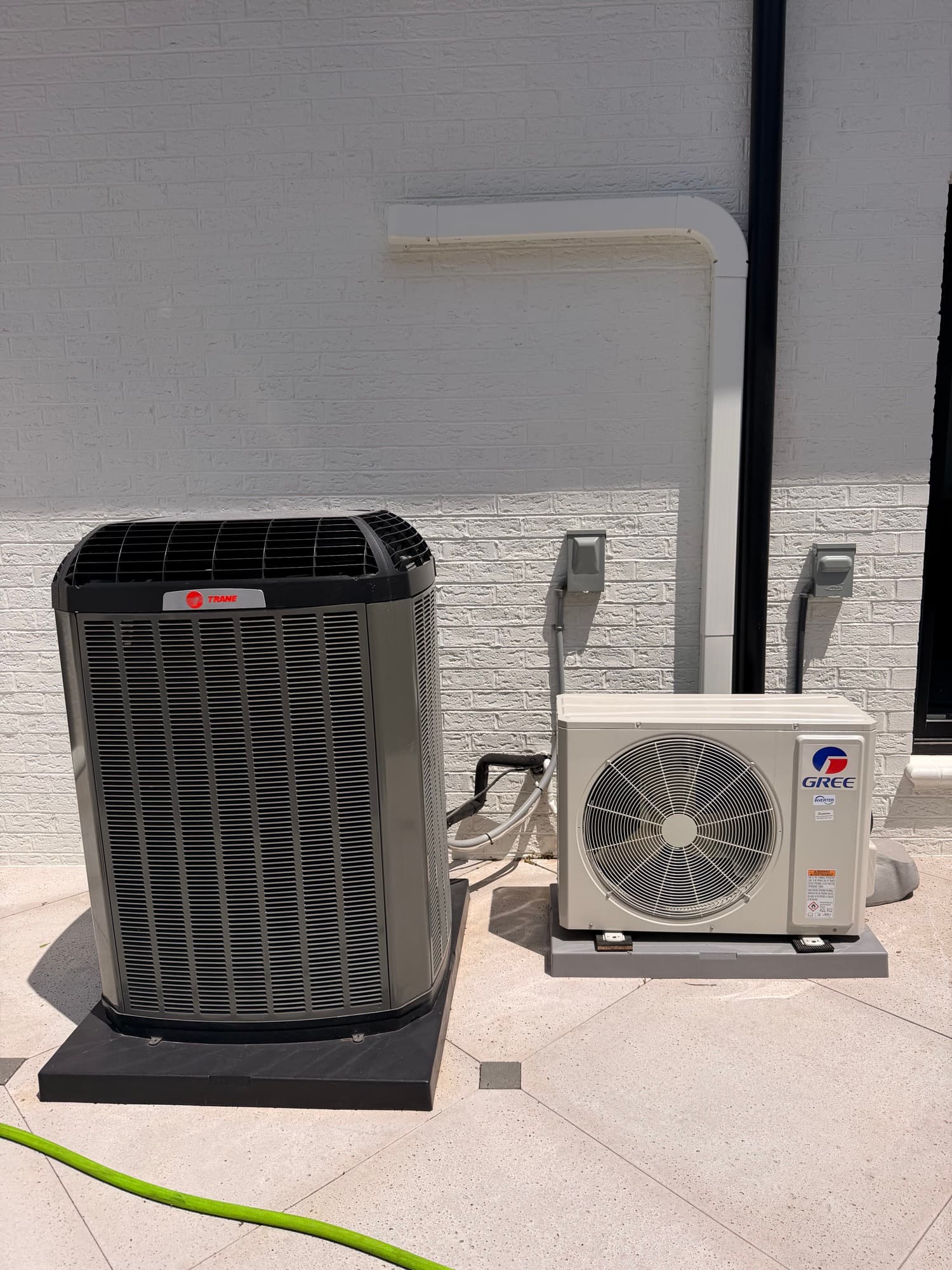
What repair or replace heat pump usually means
The decision should compare the confirmed fault, repair scope, equipment condition, comfort, efficiency, refrigerant availability, warranty, and likely near-term needs. A high repair price alone does not prove replacement is best.
The first useful clue
A specific failed component and repair scope have been documented rather than inferred from age.
Details that narrow down repair or replace heat pump
- Other major components show wear, corrosion, leakage, or prior repairs that affect remaining risk.
- Replacement proposals include duct, electrical, control, permit, or comfort work not included in the repair price.
For repair or replace heat pump, record when the condition appears, how long it lasts, which rooms or operating modes are affected, and what changed immediately beforehand.
What a homeowner can check safely
Request written repair and replacement options with assumptions, warranties, exclusions, and any duct or electrical work clearly separated.
Safety boundary
Do not open panels, bypass controls, chip ice from a coil, handle refrigerant components, or diagnose high-voltage or backup-heat circuits. Burning odors, persistent heavy ice, electrical problems, or loss of heat warrant shutdown and professional help. If you smell burning, suspect gas or carbon monoxide, see arcing, or feel unsafe, shut the system down from a safe location, leave the area when appropriate, and call emergency services or Restore at (864) 479-6737.
What the professional evaluation should answer
Document the failed component, full-system condition, matched replacement options, load and duct findings, and lifecycle tradeoffs.
A useful diagnosis of repair or replace heat pump connects the complaint to repeatable measurements under the conditions that produce it; a single symptom or part guess is not enough.
- What exactly failed, and what usable condition remains in the rest of the system?
- How do written repair and replacement scopes compare in warranty, exclusions, and near-term risk?
- Would replacement correct verified sizing, duct, comfort, or refrigerant constraints that repair would leave?
Why Upstate South Carolina conditions matter
South Carolina's mixed heating and cooling climate can suit heat pumps, but performance still depends on sizing, building load, ductwork, thermostat configuration, balance point, supplemental heat, and the specific outdoor conditions during the complaint.
Replacement proposals include duct, electrical, control, permit, or comfort work not included in the repair price.
How to choose the next step without guesswork
For repair or replace heat pump, separate the immediate problem from secondary improvements, then compare the evidence, scope, warranty, exclusions, and verification plan.
- What exactly failed, and what usable condition remains in the rest of the system?
- How do written repair and replacement scopes compare in warranty, exclusions, and near-term risk?
- Would replacement correct verified sizing, duct, comfort, or refrigerant constraints that repair would leave?