
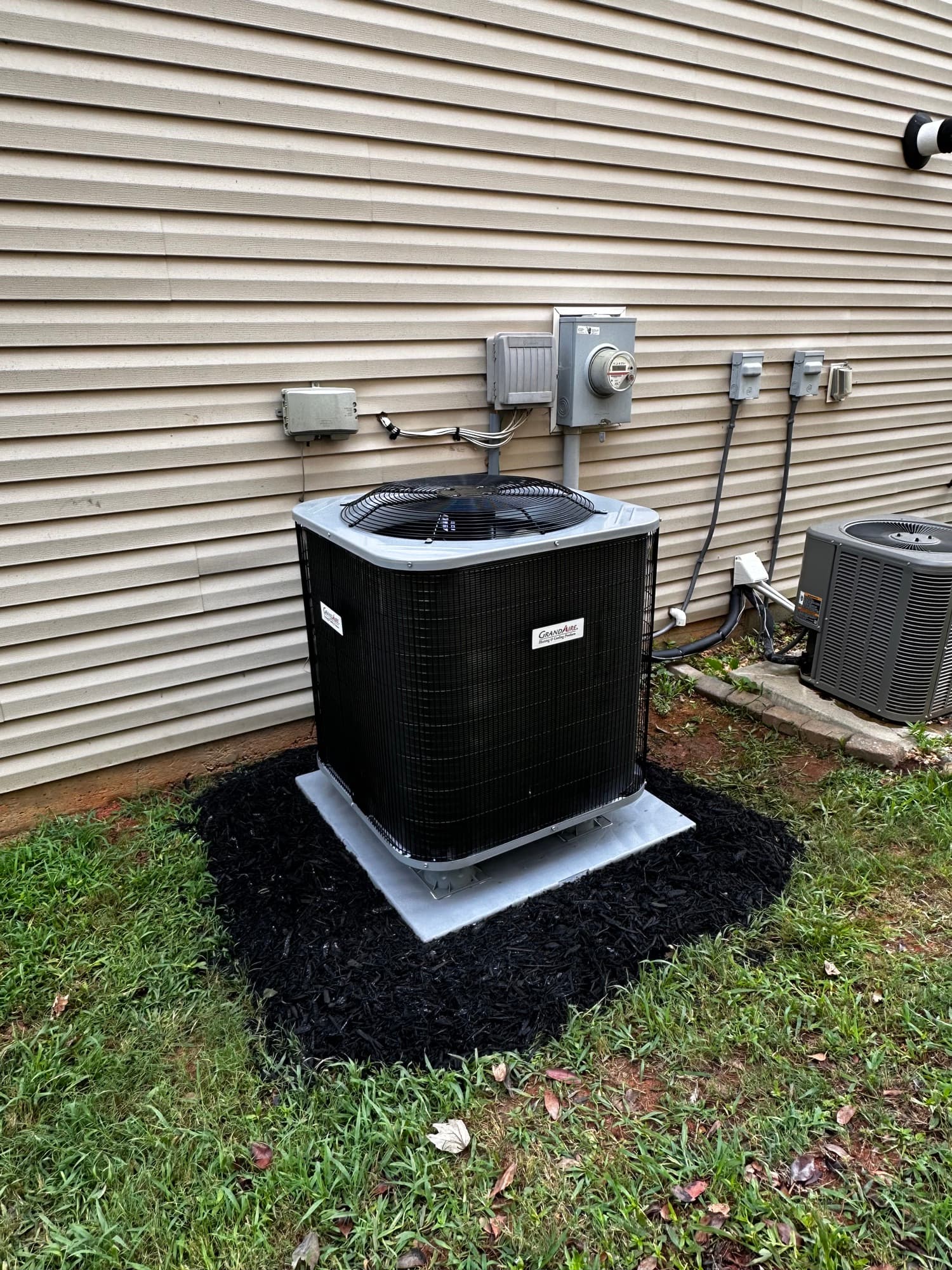
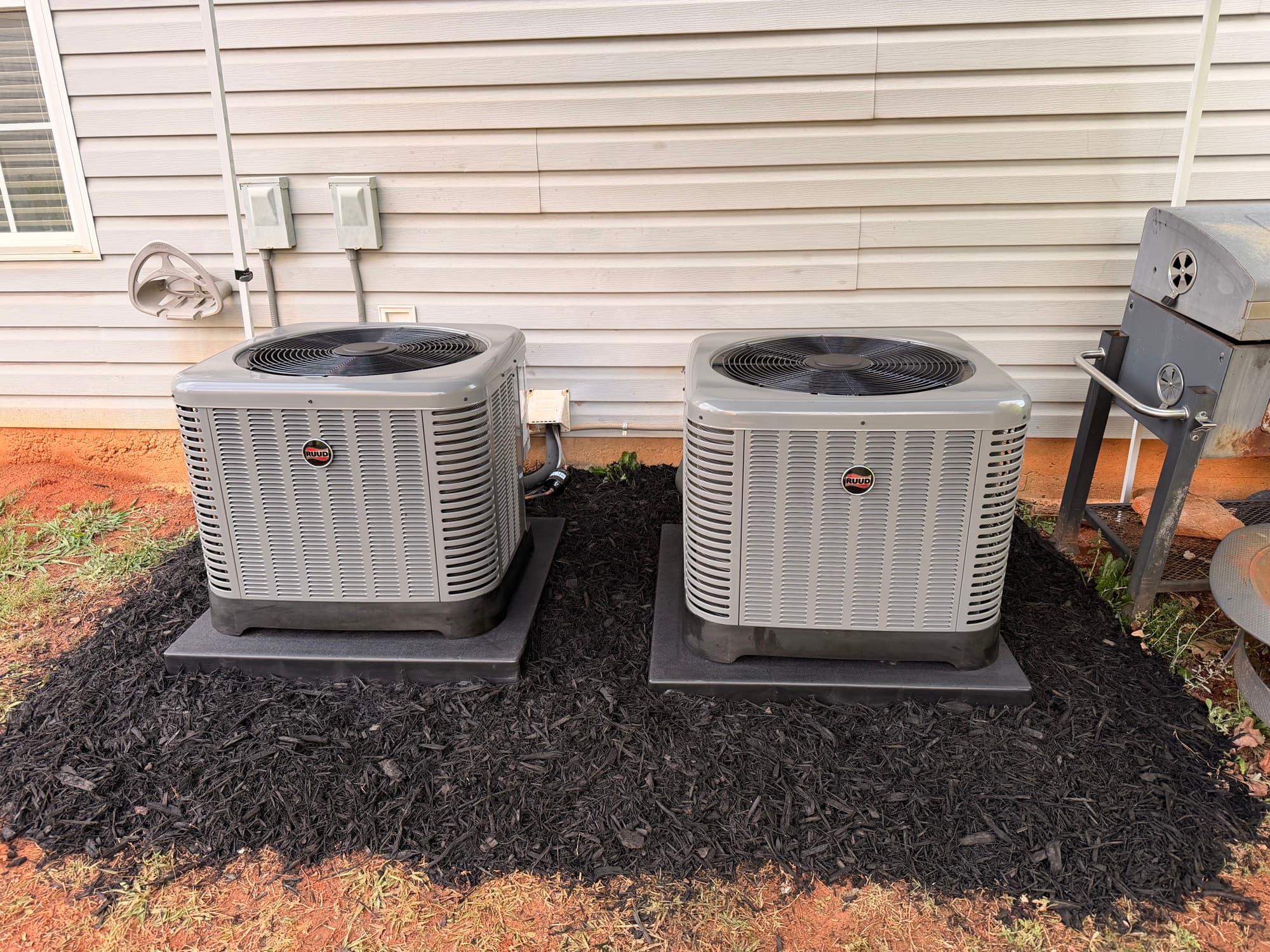
What auxiliary heat light meaning usually means
Auxiliary heat can run normally during cold weather, defrost, or recovery from a thermostat setback because the heat pump needs help. Frequent or unexplained auxiliary operation in mild weather may signal a control, airflow, refrigeration, or sizing issue.
The first useful clue
AUX appears during a large thermostat recovery, a cold morning, or an outdoor-unit defrost cycle.
Details that narrow down auxiliary heat light meaning
- The indicator stays on for long periods during mild weather.
- Indoor temperature falls even though both the heat pump and auxiliary heat appear to run.
When documenting auxiliary heat light meaning, photograph the thermostat display and any safely visible condition, then note the weather and whether the system had recently changed modes.
What a homeowner can check safely
Note outdoor temperature, thermostat changes, and how long AUX appears instead of repeatedly changing modes or breakers.
Safety boundary
Do not open panels, bypass controls, chip ice from a coil, handle refrigerant components, or diagnose high-voltage or backup-heat circuits. Burning odors, persistent heavy ice, electrical problems, or loss of heat warrant shutdown and professional help. If you smell burning, suspect gas or carbon monoxide, see arcing, or feel unsafe, shut the system down from a safe location, leave the area when appropriate, and call emergency services or Restore at (864) 479-6737.
What the professional evaluation should answer
Review thermostat calls and lockouts, heat-pump output, defrost behavior, strip-heat staging, sensors, and electrical draw.
The written finding for auxiliary heat light meaning should distinguish the confirmed cause, contributing conditions, present risk, and optional improvements so each recommendation is clear.
- What thermostat call, outdoor temperature, or defrost event triggered auxiliary heat?
- Is the heat pump producing its expected output before backup stages are added?
- Are strip stages, sensors, and outdoor lockouts configured and drawing current correctly?
Why Upstate South Carolina conditions matter
South Carolina's mixed heating and cooling climate can suit heat pumps, but performance still depends on sizing, building load, ductwork, thermostat configuration, balance point, supplemental heat, and the specific outdoor conditions during the complaint.
Indoor temperature falls even though both the heat pump and auxiliary heat appear to run.
How to choose the next step without guesswork
When deciding what to do about auxiliary heat light meaning, ask which finding changes the decision today and which items can be monitored, maintained, or budgeted for later.
- What thermostat call, outdoor temperature, or defrost event triggered auxiliary heat?
- Is the heat pump producing its expected output before backup stages are added?
- Are strip stages, sensors, and outdoor lockouts configured and drawing current correctly?