
What how does a heat pump work South Carolina usually means
A heat pump moves heat between indoors and outdoors, reversing refrigerant flow to cool in summer and heat in winter. Its controls, airflow, refrigerant circuit, and backup-heat arrangement must work together for reliable comfort.
The first useful clue
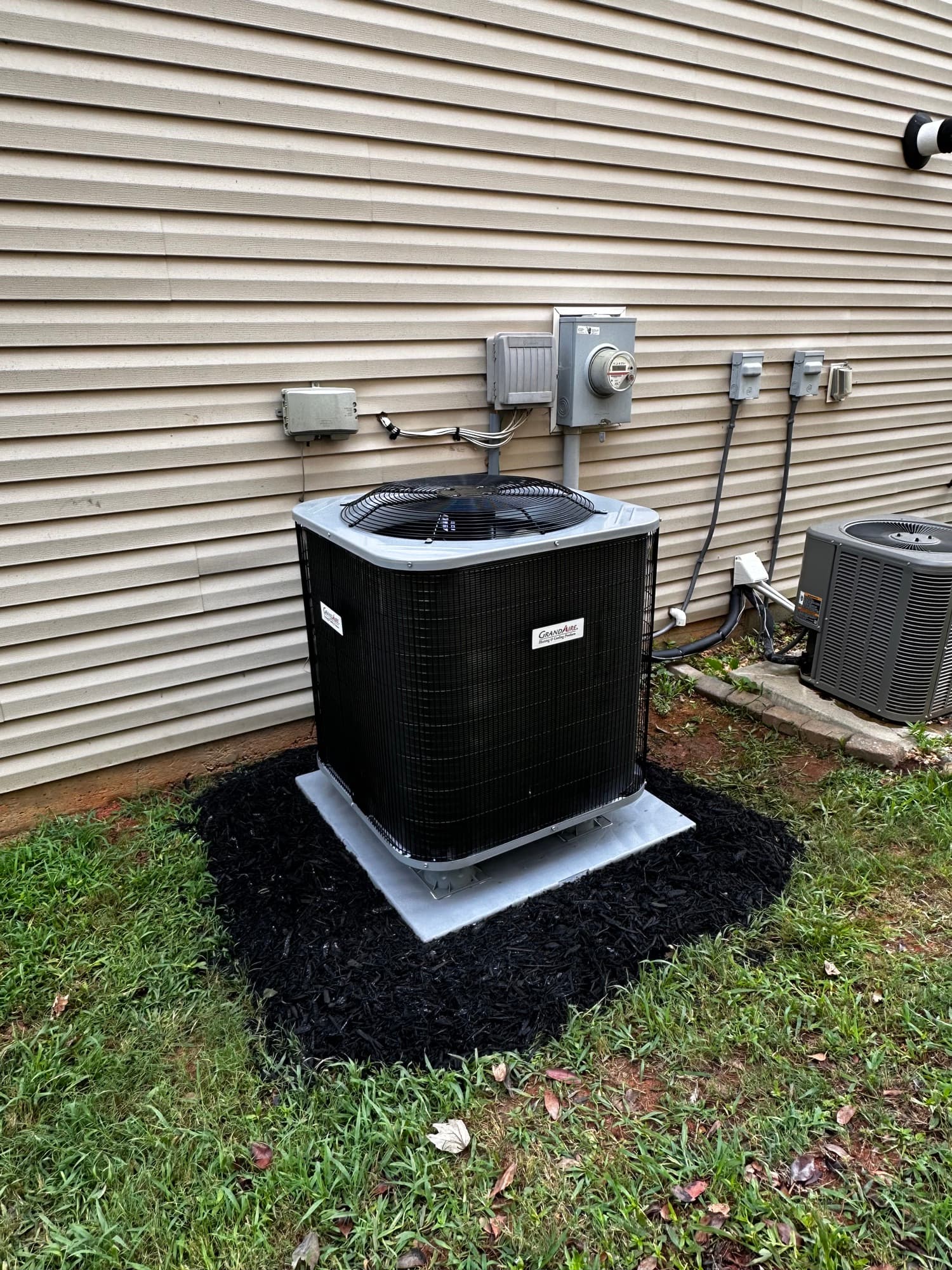
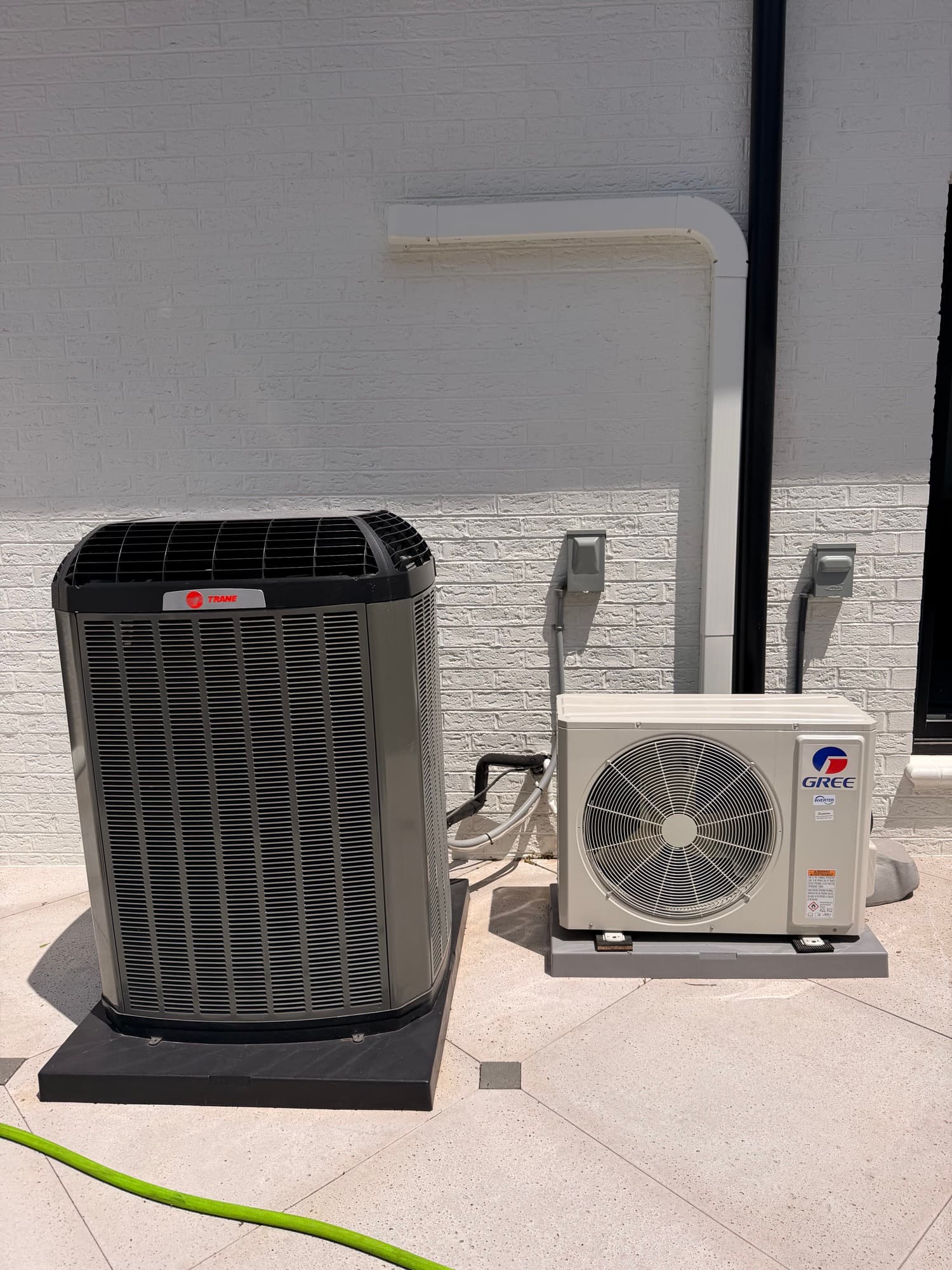
The outdoor unit operates during both heating and cooling seasons.
Details that narrow down how does a heat pump work South Carolina
- Supply air in heating mode feels steady but less hot than air from a conventional furnace.
- The thermostat occasionally indicates auxiliary heat during colder conditions or defrost.
For how does a heat pump work South Carolina, record when the condition appears, how long it lasts, which rooms or operating modes are affected, and what changed immediately beforehand.
What a homeowner can check safely
Use the thermostat normally and keep indoor and outdoor airflow paths clear without opening cabinets or handling refrigerant lines.
Safety boundary
Do not open panels, bypass controls, chip ice from a coil, handle refrigerant components, or diagnose high-voltage or backup-heat circuits. Burning odors, persistent heavy ice, electrical problems, or loss of heat warrant shutdown and professional help. If you smell burning, suspect gas or carbon monoxide, see arcing, or feel unsafe, shut the system down from a safe location, leave the area when appropriate, and call emergency services or Restore at (864) 479-6737.
What the professional evaluation should answer
Verify mode operation, reversing valve control, airflow, refrigerant temperatures, defrost, and auxiliary-heat staging.
A useful diagnosis of how does a heat pump work South Carolina connects the complaint to repeatable measurements under the conditions that produce it; a single symptom or part guess is not enough.
- Does the system reverse correctly and deliver capacity in both heating and cooling modes?
- What type of backup heat is installed, and when should its controls stage it?
- Are airflow and refrigerant temperatures consistent with this equipment's published operation?
Why Upstate South Carolina conditions matter
South Carolina's mixed heating and cooling climate can suit heat pumps, but performance still depends on sizing, building load, ductwork, thermostat configuration, balance point, supplemental heat, and the specific outdoor conditions during the complaint.
The thermostat occasionally indicates auxiliary heat during colder conditions or defrost.
How to choose the next step without guesswork
For how does a heat pump work South Carolina, separate the immediate problem from secondary improvements, then compare the evidence, scope, warranty, exclusions, and verification plan.
- Does the system reverse correctly and deliver capacity in both heating and cooling modes?
- What type of backup heat is installed, and when should its controls stage it?
- Are airflow and refrigerant temperatures consistent with this equipment's published operation?