
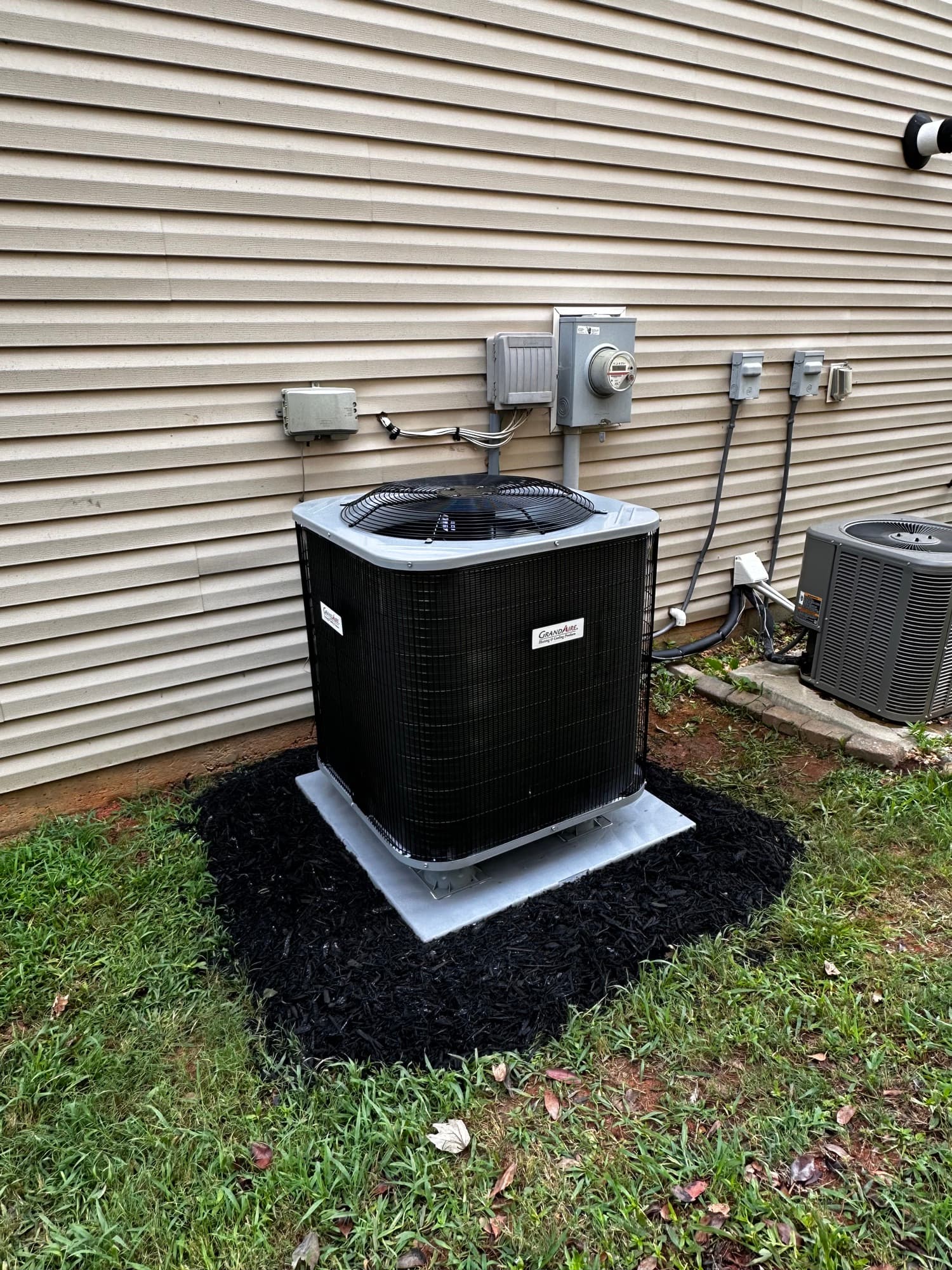
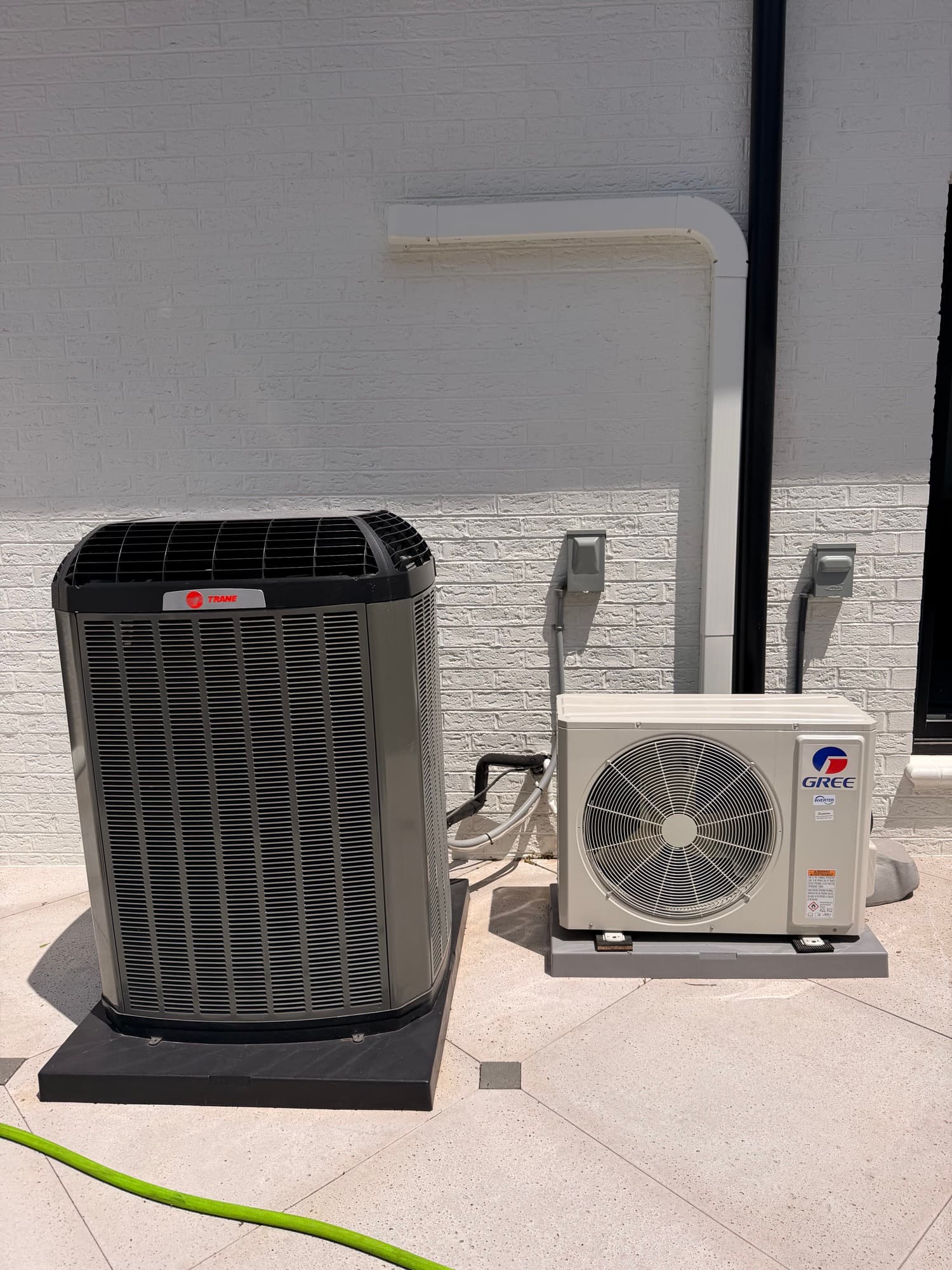
What dirty heat pump outdoor coil symptoms usually means
A coated outdoor coil restricts heat transfer in both cooling and heating, which can reduce capacity and raise operating stress. Pollen, grass clippings, lint, and damaged fins require cleaning methods appropriate to the coil.
The first useful clue
Pollen, grass clippings, lint, or vegetation visibly covers the outdoor coil face.
Details that narrow down dirty heat pump outdoor coil symptoms
- Debris is lodged between a protective grille and the coil where it is not safely reachable.
- Heating or cooling performance declines during heavy coil contamination and improves only partly after loose surroundings are cleared.
For dirty heat pump outdoor coil symptoms, record when the condition appears, how long it lasts, which rooms or operating modes are affected, and what changed immediately beforehand.
What a homeowner can check safely
Keep plants and loose debris away from the cabinet, but do not use a pressure washer, harsh chemicals, or tools on the fins.
Safety boundary
Do not open panels, bypass controls, chip ice from a coil, handle refrigerant components, or diagnose high-voltage or backup-heat circuits. Burning odors, persistent heavy ice, electrical problems, or loss of heat warrant shutdown and professional help. If you smell burning, suspect gas or carbon monoxide, see arcing, or feel unsafe, shut the system down from a safe location, leave the area when appropriate, and call emergency services or Restore at (864) 479-6737.
What the professional evaluation should answer
Inspect both coil faces, isolate power, clean with manufacturer-compatible methods, straighten damaged fins as appropriate, and retest performance.
A useful diagnosis of dirty heat pump outdoor coil symptoms connects the complaint to repeatable measurements under the conditions that produce it; a single symptom or part guess is not enough.
- Are both coil faces restricted, and are fins bent or coated beneath the visible debris?
- Which cleaning method and product does the coil manufacturer permit?
- Do temperatures, pressures, and electrical readings return to expected ranges after cleaning?
Why Upstate South Carolina conditions matter
South Carolina's mixed heating and cooling climate can suit heat pumps, but performance still depends on sizing, building load, ductwork, thermostat configuration, balance point, supplemental heat, and the specific outdoor conditions during the complaint.
Heating or cooling performance declines during heavy coil contamination and improves only partly after loose surroundings are cleared.
How to choose the next step without guesswork
For dirty heat pump outdoor coil symptoms, separate the immediate problem from secondary improvements, then compare the evidence, scope, warranty, exclusions, and verification plan.
- Are both coil faces restricted, and are fins bent or coated beneath the visible debris?
- Which cleaning method and product does the coil manufacturer permit?
- Do temperatures, pressures, and electrical readings return to expected ranges after cleaning?