
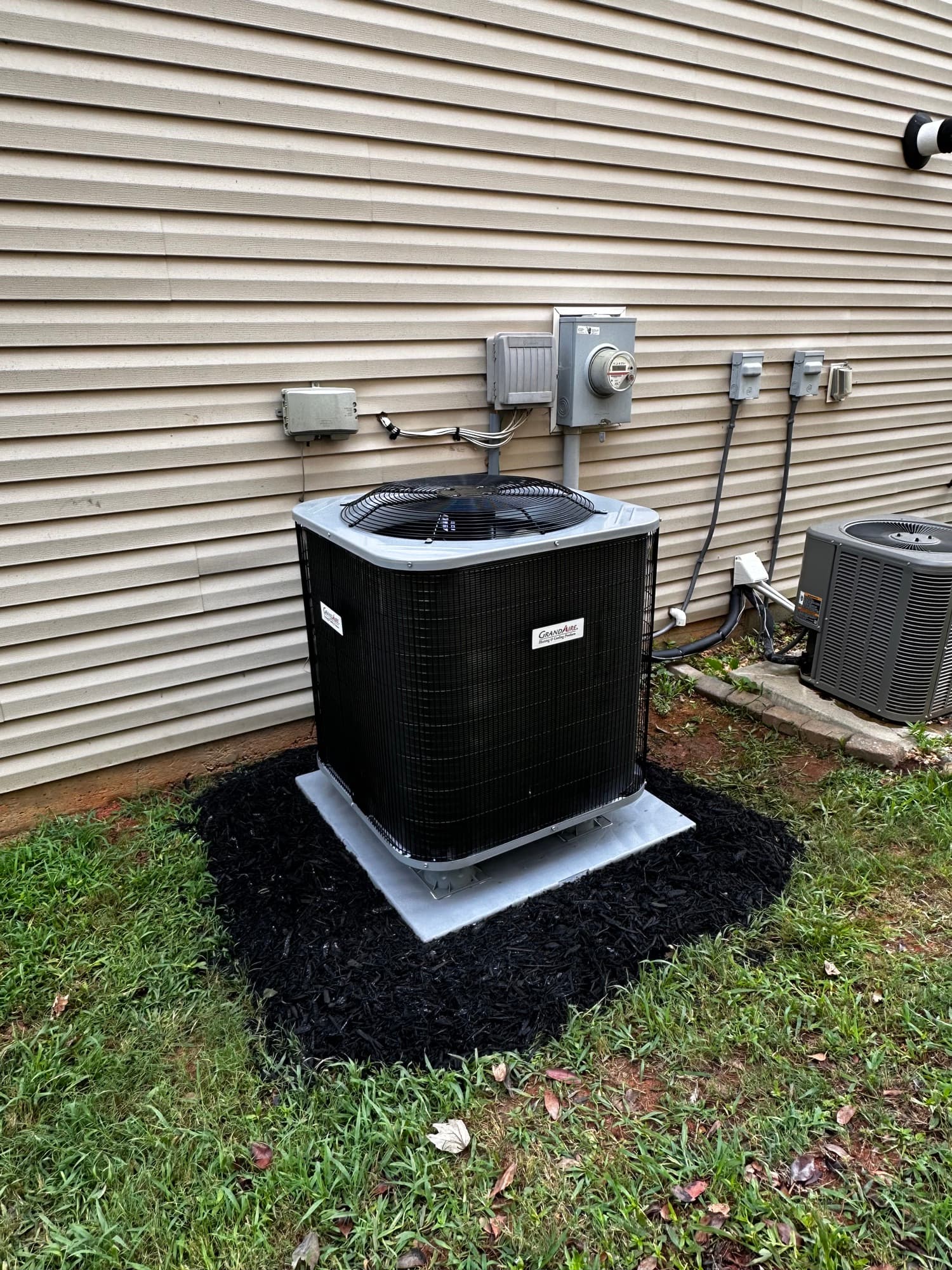
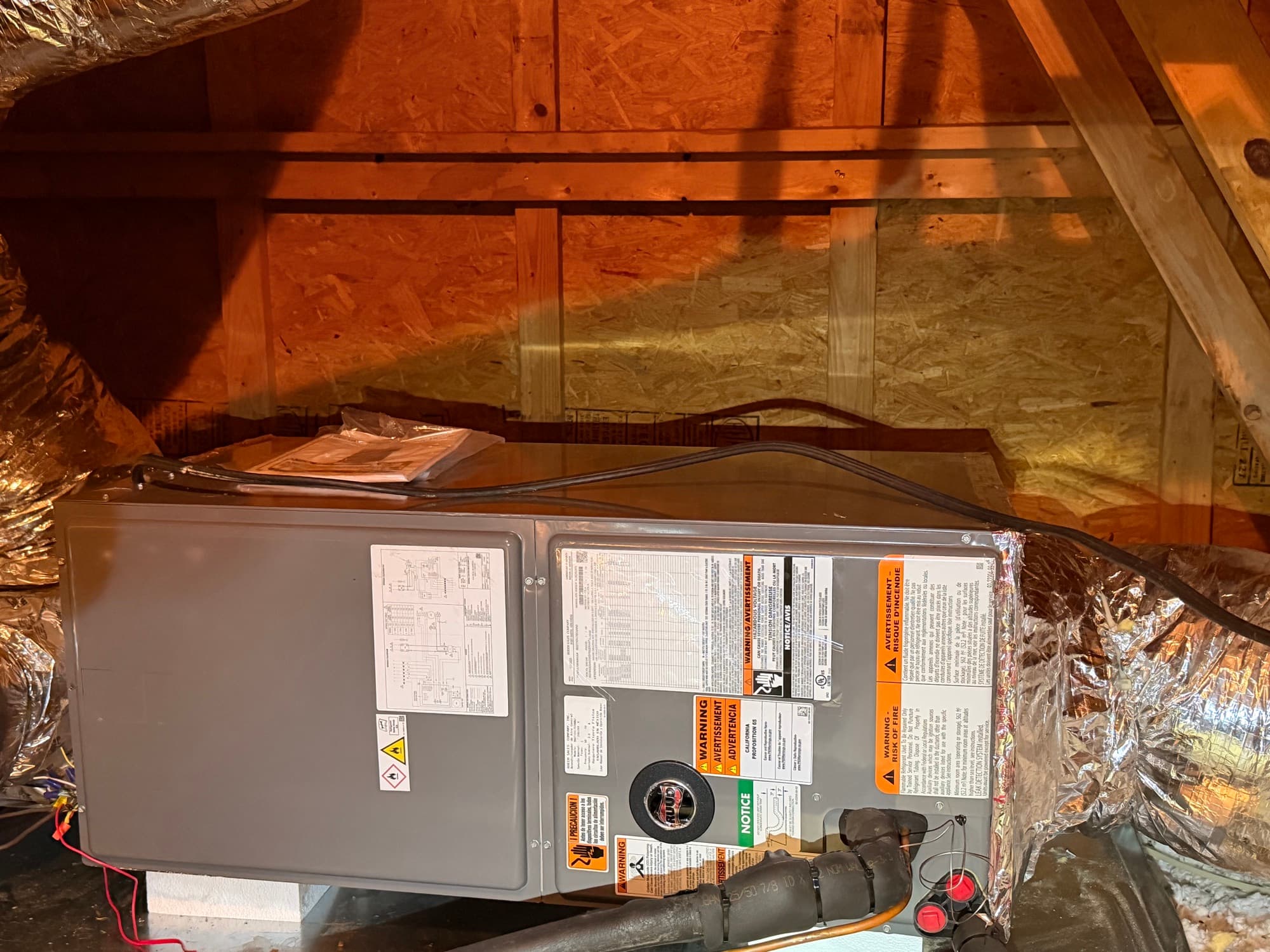
What professional heat pump tune-up inspection usually means
A thorough visit should evaluate heating and cooling modes, airflow, coils, drainage, electrical condition, refrigerant performance, defrost, thermostat controls, and backup heat. Findings should be documented rather than presented as a vague tune-up.
The first useful clue
Past service invoices say only 'checked' or 'tuned' without measurements or findings.
Details that narrow down professional heat pump tune-up inspection
- The system has a history of icing, drain trips, auxiliary-heat concerns, or mode-specific problems.
- Heating and cooling have not both been evaluated since the last control or equipment change.
Define the result you need from professional heat pump tune-up inspection—restored operation, more even rooms, moisture control, lower risk, or a replacement decision—so the visit answers the right question.
What a homeowner can check safely
Ask for measured results and make sure the technician knows about past icing, odors, noises, or high-bill concerns.
Safety boundary
Do not open panels, bypass controls, chip ice from a coil, handle refrigerant components, or diagnose high-voltage or backup-heat circuits. Burning odors, persistent heavy ice, electrical problems, or loss of heat warrant shutdown and professional help. If you smell burning, suspect gas or carbon monoxide, see arcing, or feel unsafe, shut the system down from a safe location, leave the area when appropriate, and call emergency services or Restore at (864) 479-6737.
What the professional evaluation should answer
Record static pressure, temperatures, electrical readings, defrost and staging operation, drain performance, and refrigerant diagnostics.
A clear proposal for professional heat pump tune-up inspection states what was tested, what remains uncertain, what the correction includes, and how operation will be verified afterward.
- Which airflow, temperature, electrical, and refrigerant readings will be recorded?
- How will defrost, reversing, drainage, and backup-heat staging be verified?
- Which findings need correction now, monitoring later, or no action?
Why Upstate South Carolina conditions matter
South Carolina's mixed heating and cooling climate can suit heat pumps, but performance still depends on sizing, building load, ductwork, thermostat configuration, balance point, supplemental heat, and the specific outdoor conditions during the complaint.
Heating and cooling have not both been evaluated since the last control or equipment change.
How to choose the next step without guesswork
Keep the measurement record and written scope for professional heat pump tune-up inspection; it gives another technician the same starting point and makes future decisions less dependent on memory.
- Which airflow, temperature, electrical, and refrigerant readings will be recorded?
- How will defrost, reversing, drainage, and backup-heat staging be verified?
- Which findings need correction now, monitoring later, or no action?