
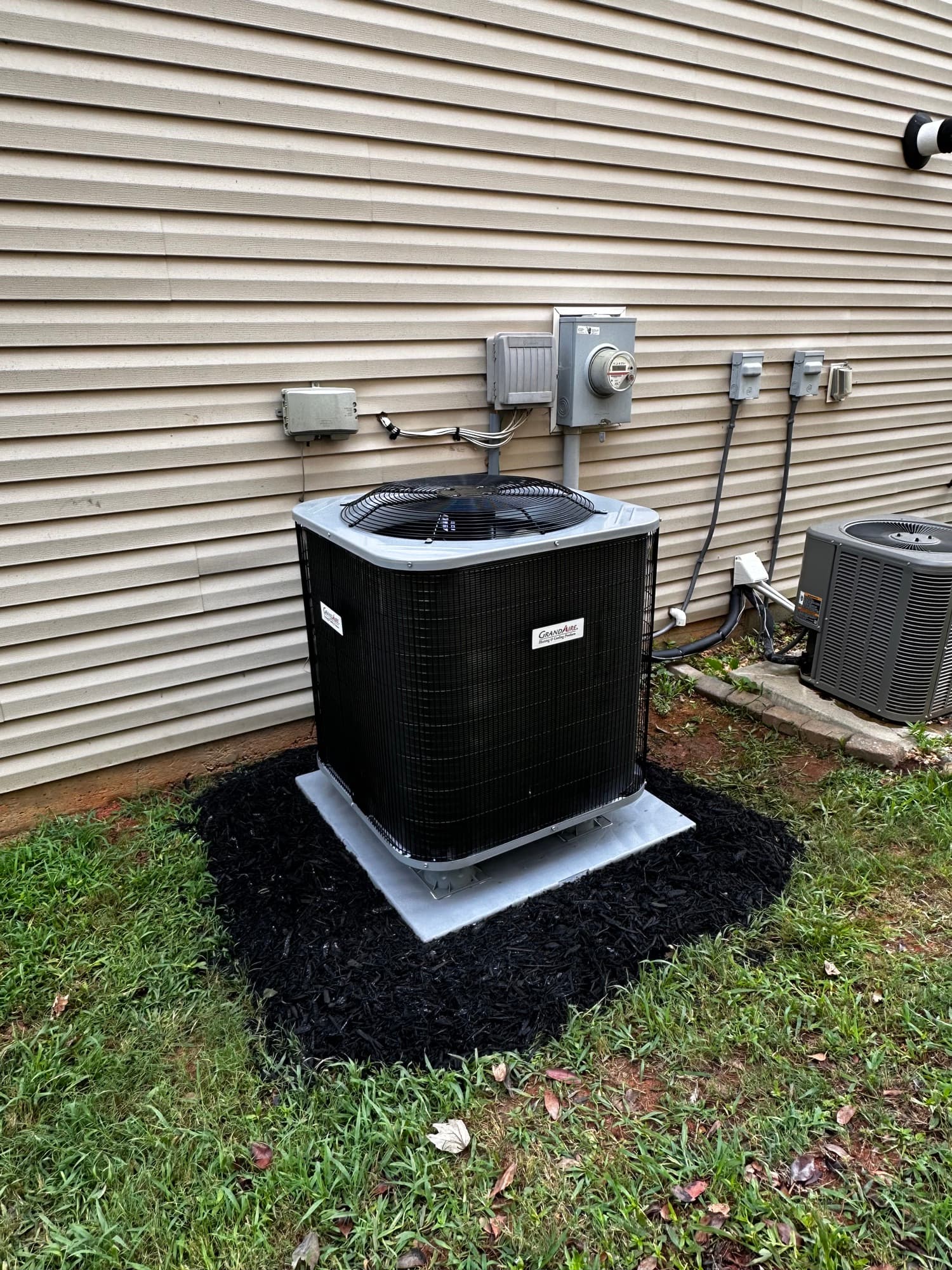
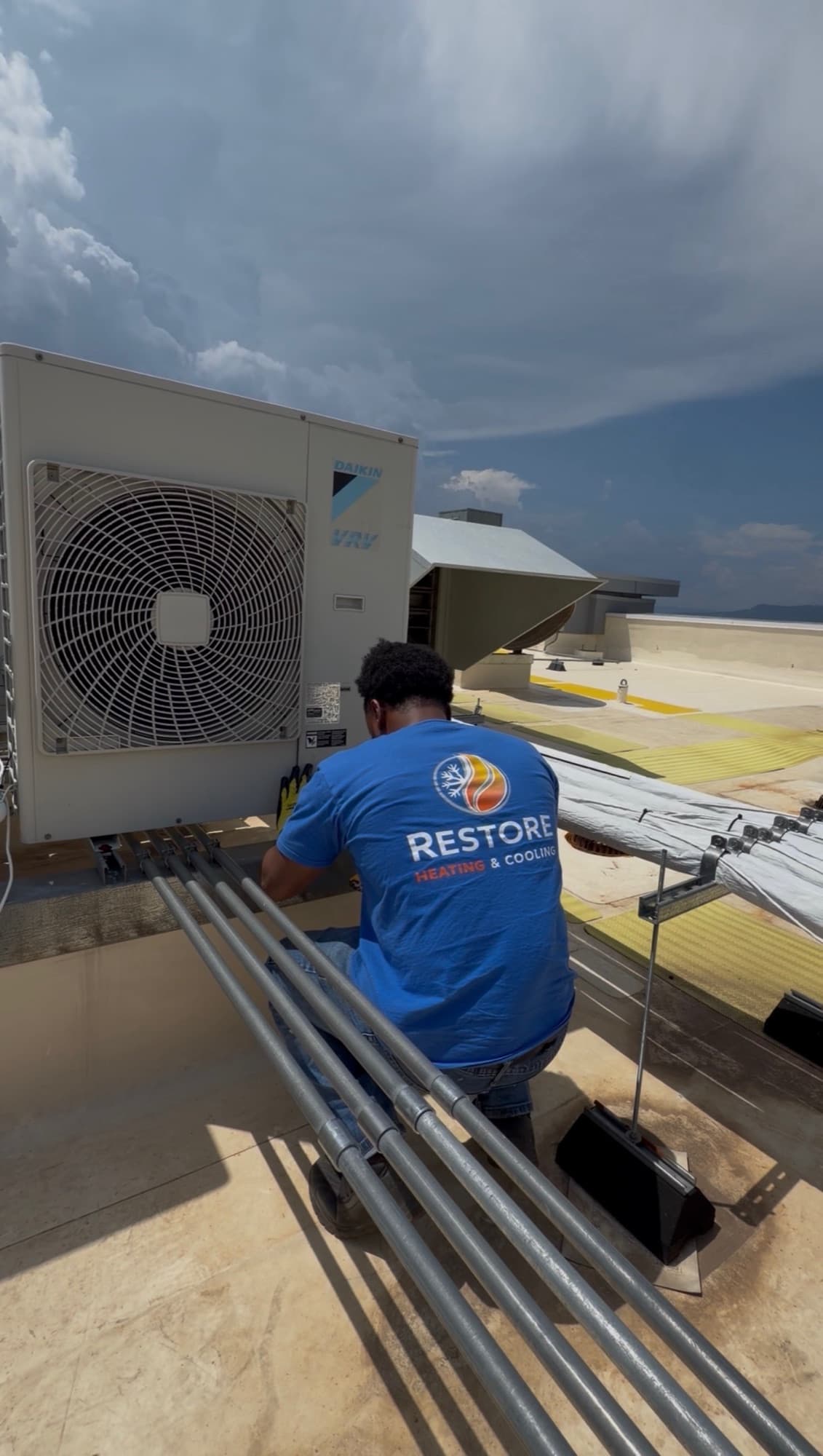
What heat pump not cooling summer usually means
A heat pump can lose summer cooling because of thermostat mode, filter restriction, indoor or outdoor airflow, drainage safeties, electrical faults, or the refrigeration circuit. Ice, repeated breaker trips, or a silent outdoor unit calls for service rather than repeated resets.
The first useful clue
The thermostat is set to COOL but supply air is warm or close to room temperature.
Details that narrow down heat pump not cooling summer
- Airflow is weak, an accessible line is iced, or the indoor fan runs without useful cooling.
- The outdoor unit is silent, starts harshly, or stops after a breaker or drain safety opens.
Before an evaluation of heat pump not cooling summer, gather the equipment model, approximate age, repair history, filter history, and any prior estimate so the recommendation starts from the same facts.
What a homeowner can check safely
Confirm COOL and AUTO settings, inspect the filter, and keep equipment clear; do not open panels or handle iced refrigerant lines.
Safety boundary
Do not open panels, bypass controls, chip ice from a coil, handle refrigerant components, or diagnose high-voltage or backup-heat circuits. Burning odors, persistent heavy ice, electrical problems, or loss of heat warrant shutdown and professional help. If you smell burning, suspect gas or carbon monoxide, see arcing, or feel unsafe, shut the system down from a safe location, leave the area when appropriate, and call emergency services or Restore at (864) 479-6737.
What the professional evaluation should answer
Verify reversing-valve state, airflow, drain safeties, electrical operation, coil temperatures, and refrigerant performance.
Measurements related to heat pump not cooling summer should be interpreted against equipment design, manufacturer information, and the home's actual airflow and load—not an isolated rule of thumb.
- Is the thermostat commanding cooling and is the reversing valve in the correct state?
- Are airflow restriction, coil ice, or a condensate safety preventing normal operation?
- Do electrical and refrigerant measurements identify why the outdoor section is not moving heat?
Why Upstate South Carolina conditions matter
South Carolina's mixed heating and cooling climate can suit heat pumps, but performance still depends on sizing, building load, ductwork, thermostat configuration, balance point, supplemental heat, and the specific outdoor conditions during the complaint.
The outdoor unit is silent, starts harshly, or stops after a breaker or drain safety opens.
How to choose the next step without guesswork
If heat pump not cooling summer leads to an expensive recommendation, compare the corrected system's expected condition—not only today's invoice—with the age and condition of the remaining equipment.
- Is the thermostat commanding cooling and is the reversing valve in the correct state?
- Are airflow restriction, coil ice, or a condensate safety preventing normal operation?
- Do electrical and refrigerant measurements identify why the outdoor section is not moving heat?