
What heat pump short cycling causes usually means
Rapid cycling can come from thermostat location or setup, restricted airflow, controls, equipment sizing, electrical problems, or refrigerant-system faults. Repeated short cycles can reduce comfort and add wear, so the cause should be measured rather than guessed.
The first useful clue
Heating or cooling cycles repeatedly last only a few minutes under steady conditions.
Details that narrow down heat pump short cycling causes
- The thermostat sits near a supply vent, sunny window, appliance, or other local temperature influence.
- Rapid cycling began with a loaded filter, closed vents, a control change, or a recent repair.
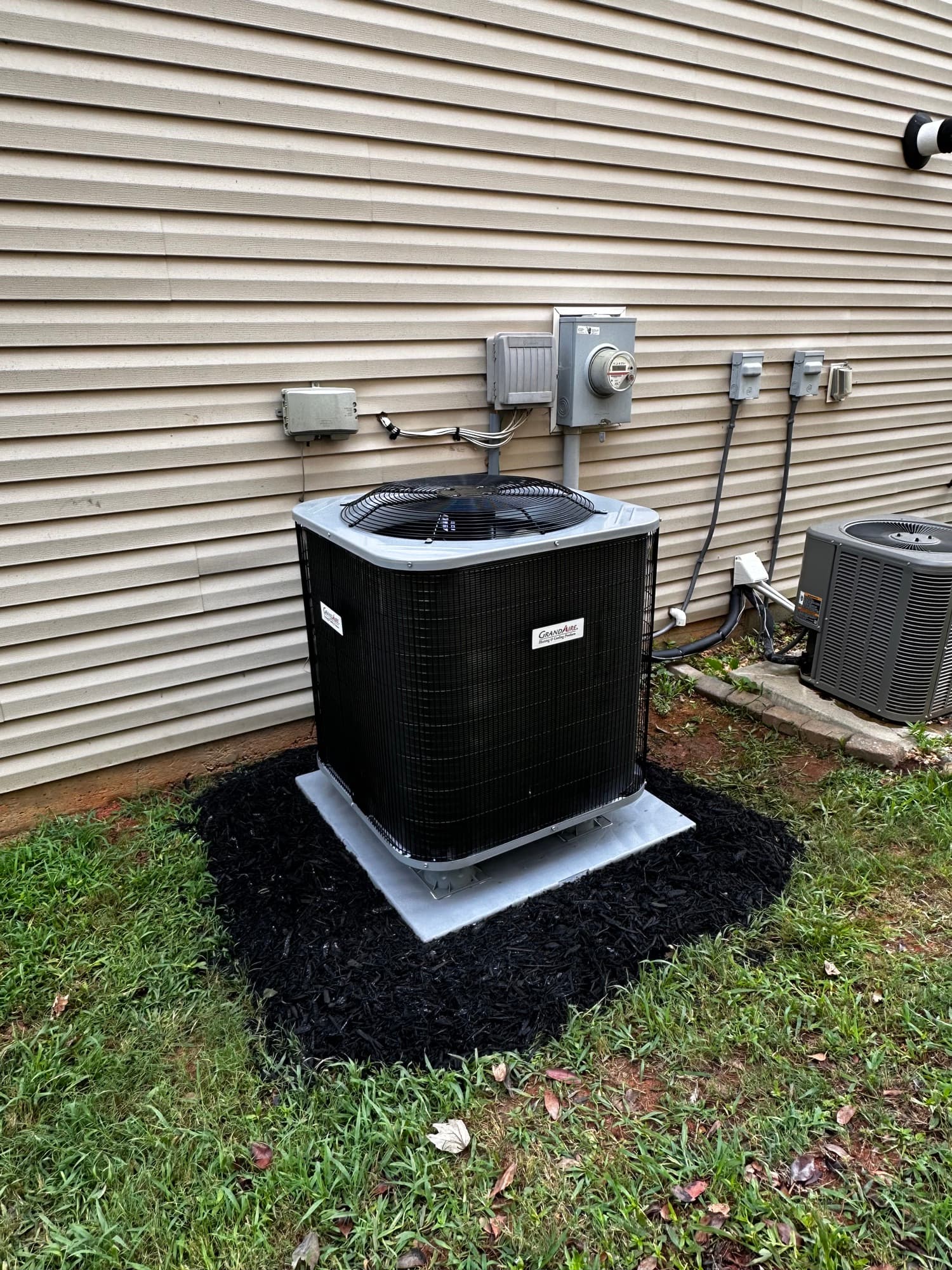
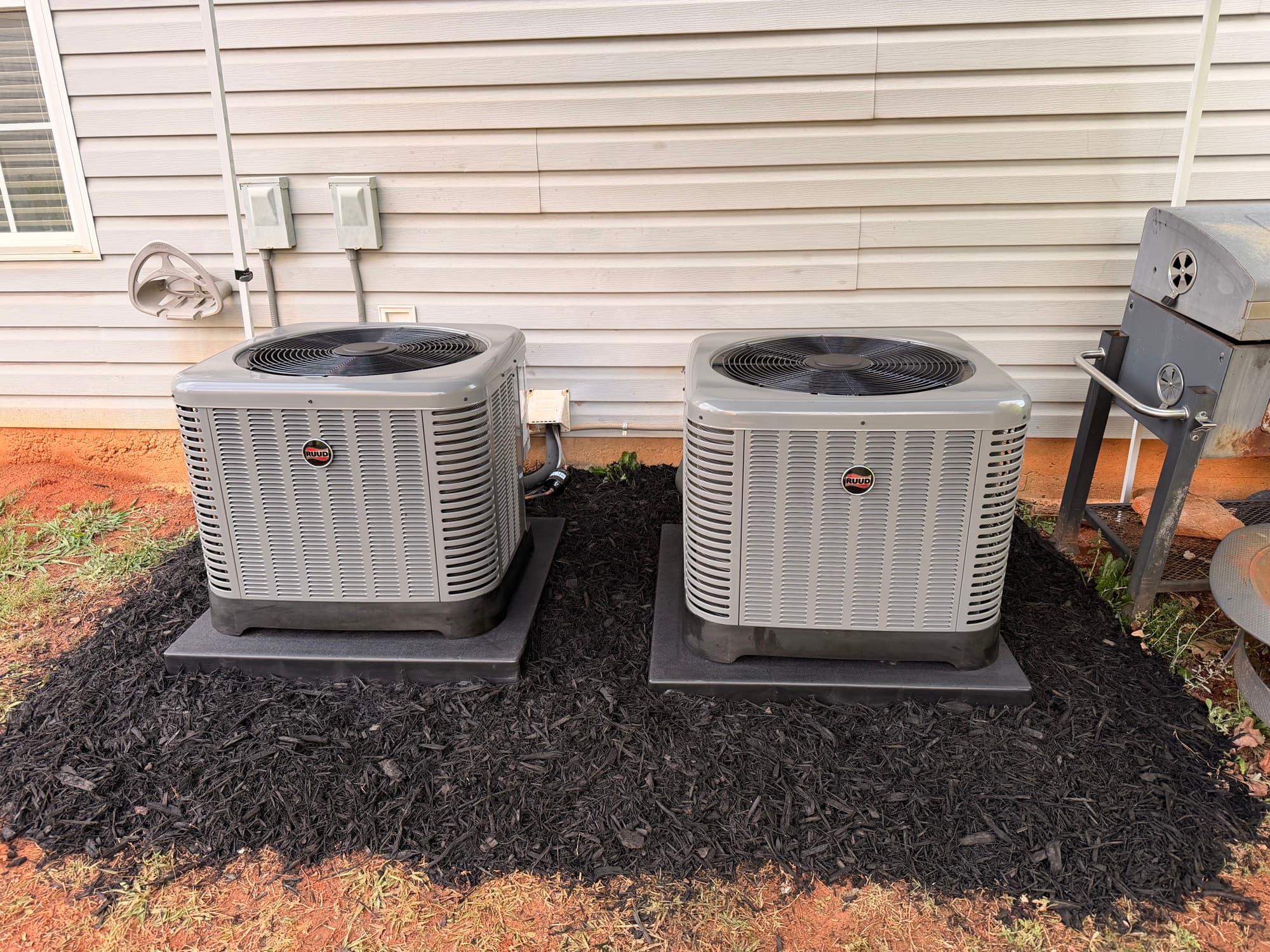
When documenting heat pump short cycling causes, photograph the thermostat display and any safely visible condition, then note the weather and whether the system had recently changed modes.
What a homeowner can check safely
Replace an overdue filter, confirm vents are open, and time several cycles; stop if a breaker trips or the unit starts harshly.
Safety boundary
Do not open panels, bypass controls, chip ice from a coil, handle refrigerant components, or diagnose high-voltage or backup-heat circuits. Burning odors, persistent heavy ice, electrical problems, or loss of heat warrant shutdown and professional help. If you smell burning, suspect gas or carbon monoxide, see arcing, or feel unsafe, shut the system down from a safe location, leave the area when appropriate, and call emergency services or Restore at (864) 479-6737.
What the professional evaluation should answer
Review thermostat calls, control faults, static pressure, temperature response, electrical components, charge indicators, and load sizing.
The written finding for heat pump short cycling causes should distinguish the confirmed cause, contributing conditions, present risk, and optional improvements so each recommendation is clear.
- Is the thermostat ending the call, or is a safety or equipment control interrupting operation?
- Do static pressure and delivered capacity indicate restricted airflow or oversizing?
- Are electrical, refrigeration, or sensor faults causing the repeated restart?
Why Upstate South Carolina conditions matter
South Carolina's mixed heating and cooling climate can suit heat pumps, but performance still depends on sizing, building load, ductwork, thermostat configuration, balance point, supplemental heat, and the specific outdoor conditions during the complaint.
Rapid cycling began with a loaded filter, closed vents, a control change, or a recent repair.
How to choose the next step without guesswork
When deciding what to do about heat pump short cycling causes, ask which finding changes the decision today and which items can be monitored, maintained, or budgeted for later.
- Is the thermostat ending the call, or is a safety or equipment control interrupting operation?
- Do static pressure and delivered capacity indicate restricted airflow or oversizing?
- Are electrical, refrigeration, or sensor faults causing the repeated restart?