
Topic guide · 24 articles
Airflow, Ductwork & Comfort Guides
Diagnose uneven rooms, weak vents, duct leakage, static pressure, insulation problems, and zoning limitations.
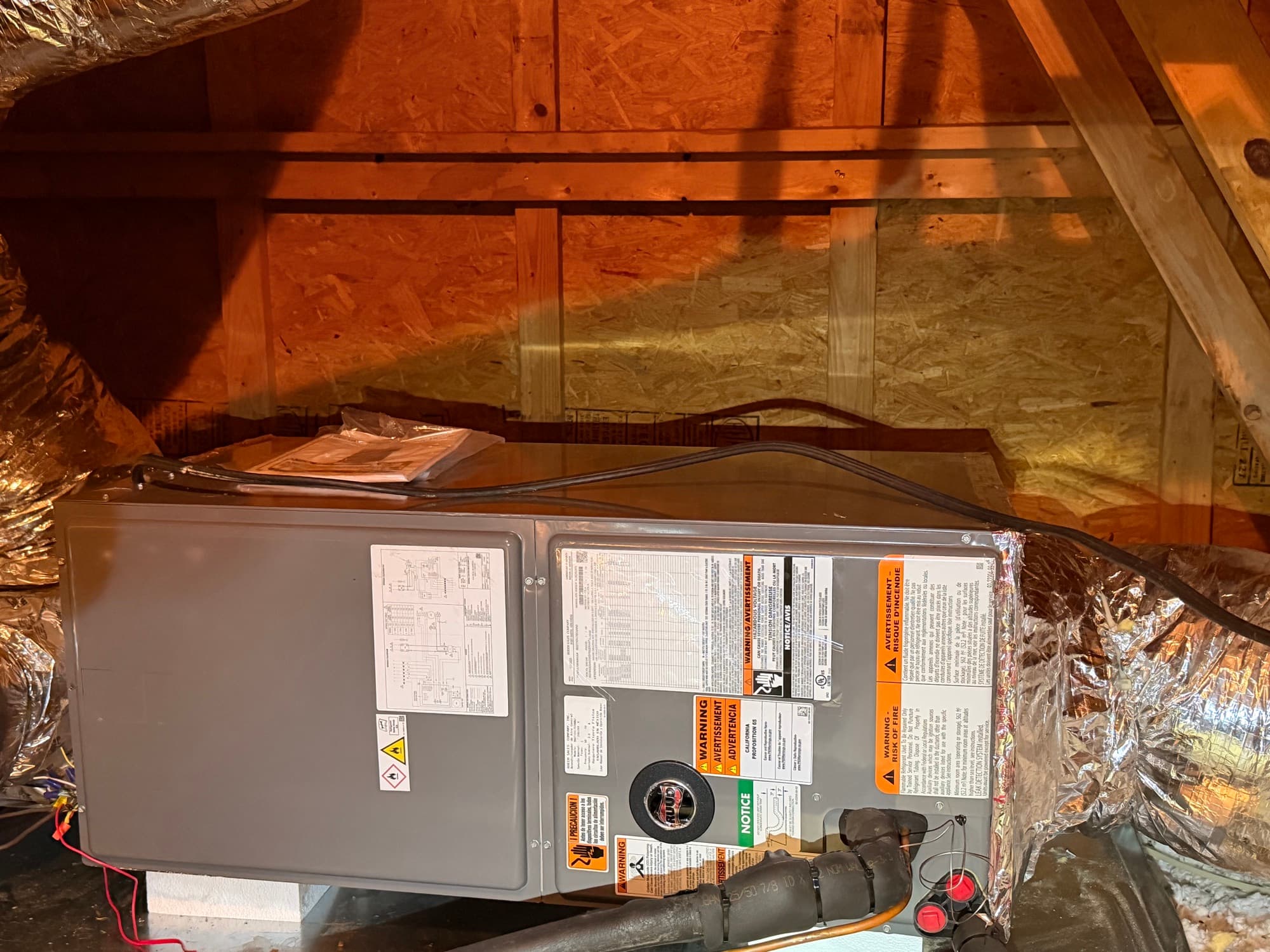
Why Is Airflow Weak From Every HVAC Vent?
Weak airflow throughout the home can come from a loaded filter, blower or control issue, dirty coil, closed damper, duct restriction, or excessive system pressure. Because these causes can look alike, airflow…
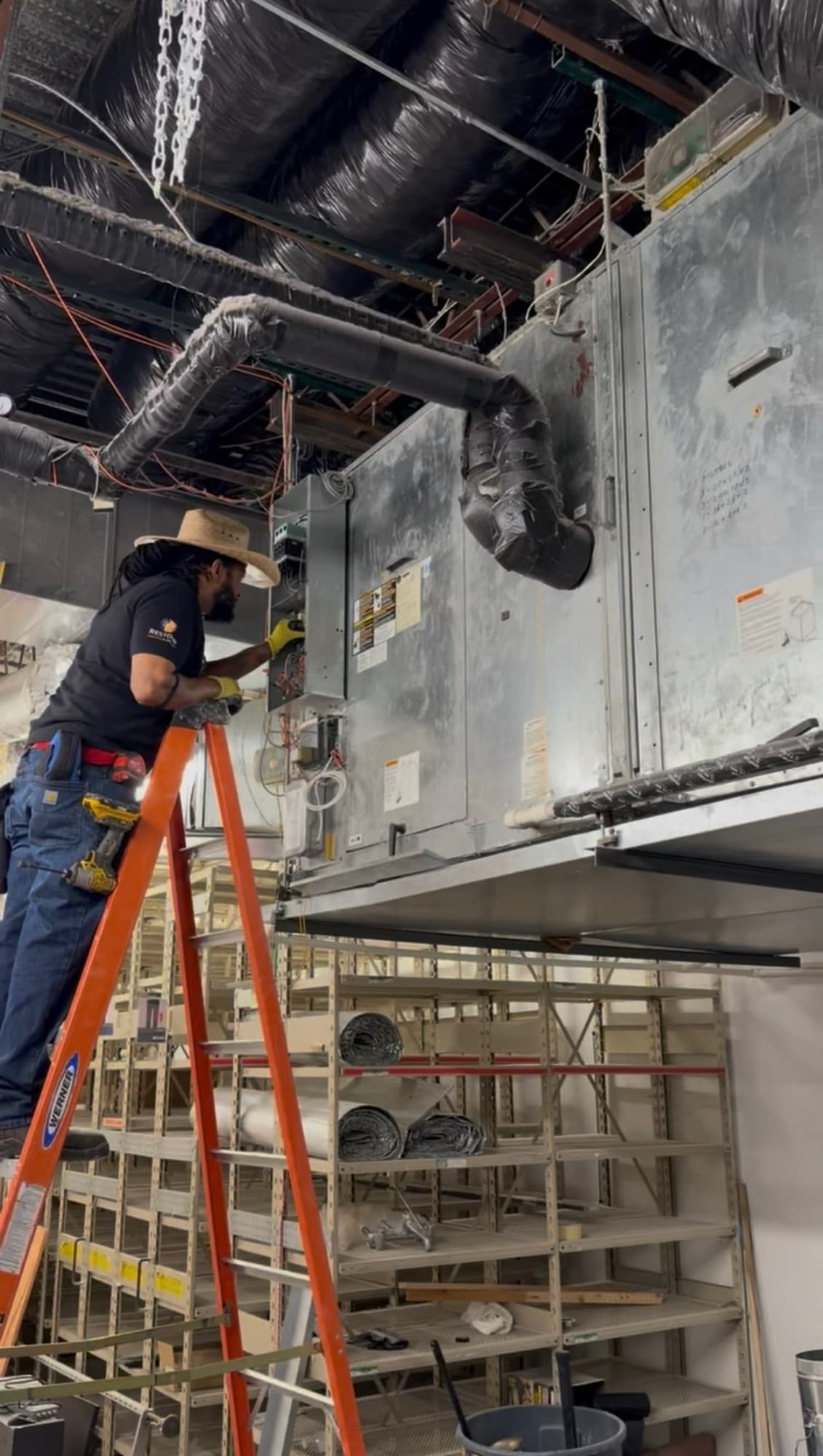
Why Does One Room Have Weaker Airflow Than the Rest?
One-room airflow problems often involve a closed or damaged branch, disconnected duct, balancing issue, blocked register, or inadequate return path. The room's heat gain and loss may also exceed what the…
Why Is the Upstairs Hotter Than Downstairs in Summer?
Upper floors often gain more attic and solar heat, while duct losses, limited returns, thermostat location, and stack effect add to the difference. Adjusting registers alone may not solve a load or…
Should You Close HVAC Vents in Unused Rooms?
Closing several supply vents usually does not create proportional savings and can raise duct pressure, increase leakage, or reduce coil airflow. Small balancing adjustments may be reasonable when guided by…
What Does a Return-Air Vent Do?
Return vents carry room air back to the HVAC equipment so it can be filtered and conditioned again. Blocked, leaky, or undersized return paths can reduce system airflow and create room-pressure problems.
Signs an HVAC Return May Be Undersized
Whistling, filter bowing, high return pressure, weak total airflow, or doors pulling can suggest a restrictive return, but dirty components and blower setup can cause similar symptoms. Return sizing should be…
Common Signs of Leaky Air Ducts in a Home
Dust streaks near joints, uneven rooms, high runtime, attic or crawlspace odors, and measured pressure loss can indicate duct leakage. Comfort symptoms alone are not proof because equipment and insulation…
How Hot Attics Affect Ductwork and Summer Comfort
Supply ducts in a hot attic can gain heat through insulation and leakage before cooled air reaches the rooms. The impact depends on duct surface area, insulation condition, air leakage, attic temperature, and…
How Crawlspace Duct Damage Changes Comfort and Air Quality
Disconnected, crushed, wet, or unsealed crawlspace ducts can lose conditioned air and draw damp or dirty air into the system. Repairs should address both the duct failure and the crawlspace condition that…
How Kinked or Sagging Flex Duct Restricts Airflow
Sharp bends, compression, and long unsupported sags increase resistance in flex duct and can substantially reduce branch airflow. Simply increasing blower speed may add noise and pressure without fixing the…
HVAC Static Pressure Explained in Plain Language
Static pressure is the resistance the blower works against as air moves through filters, coils, ducts, and grilles. Readings help distinguish an airflow restriction from a capacity or comfort problem and…
How HVAC Blower Speed Affects Comfort and Humidity
Blower airflow affects capacity, coil temperature, moisture removal, noise, and equipment safety, so faster is not always better. Adjustments must stay within the equipment's approved airflow range.
Can a High-Efficiency Filter Restrict HVAC Airflow?
Any filter creates resistance, and a restrictive or overloaded filter can reduce airflow if the return system and filter area cannot support it. Pleat quality, surface area, fit, and loading matter in…
How Professionals Balance HVAC Registers for Room Comfort
Air balancing redistributes available airflow among rooms using measured branch delivery and dampers while protecting total system airflow. It cannot fully correct inadequate equipment capacity, severe duct…
Is HVAC Zoning Worth Considering for a Two-Story Home?
Zoning can improve control when floors have different loads and schedules, but dampers and controls must preserve equipment airflow across all zone combinations. Sometimes duct, return, insulation, or sizing…
Why Ductwork Sweats in a Humid Climate
Duct condensation forms when a duct surface falls below the surrounding air's dew point, often because of damaged insulation, air leakage, high ambient humidity, or unusually cold supply air. Wiping the water…
Why Ductwork Pops or Bangs When the HVAC Starts
Sheet metal can flex as temperature and pressure change, while loose panels, supports, dampers, or high static pressure can make the sound worse. A single mild pop may be harmless, but new or forceful…
What Causes a Whistling Air Vent?
Whistling usually indicates high air velocity through a restrictive grille, filter, damper, or duct path, though gaps can also create a tone. The quiet fix is to reduce the underlying restriction while…
Why Closing a Bedroom Door Can Change HVAC Comfort
A room with supply air but no adequate return path can become pressurized when its door is closed, reducing delivered airflow and pushing air through leaks. Transfer grilles, jump ducts, door undercuts, or…
Duct Sealing vs. Duct Replacement: How to Decide
Sealing may be enough when ducts are correctly sized and structurally sound, while crushed, contaminated, poorly routed, undersized, or deteriorated ducts may need partial or full replacement. Testing and…
Why Air-Duct Insulation Matters in Upstate Attics and Crawlspaces
Duct insulation limits unwanted heat transfer and helps keep the outer surface above the dew point during cooling. Gaps, compressed insulation, or a damaged vapor jacket can reduce performance and contribute…
How Furniture Blocking Vents and Returns Affects HVAC Performance
Blocked supply registers can disrupt room mixing, while blocked returns can restrict system airflow and alter pressure. The impact depends on how much of the system is obstructed and whether other air paths…
Planning Ductwork During a Home Remodel or Addition
A remodel can change room loads, pressure relationships, return paths, and the capacity available from existing equipment and ducts. Duct decisions should be made before ceilings close, using the final…
Fixing Airflow Imbalance in a Small Retail Space
Hot and cold areas in a small retail space can reflect door traffic, display blockage, solar gain, duct imbalance, thermostat location, or changing occupancy. Balancing should preserve ventilation and total…
Take the next step
Ready for expert HVAC service?
Schedule online or call for emergency service. Same-day availability across the Upstate.