
Topic guide · 26 articles
HVAC Buying & Replacement Guides
Compare equipment, efficiency ratings, comfort features, warranties, and contractor proposals without sales-pressure guesswork.
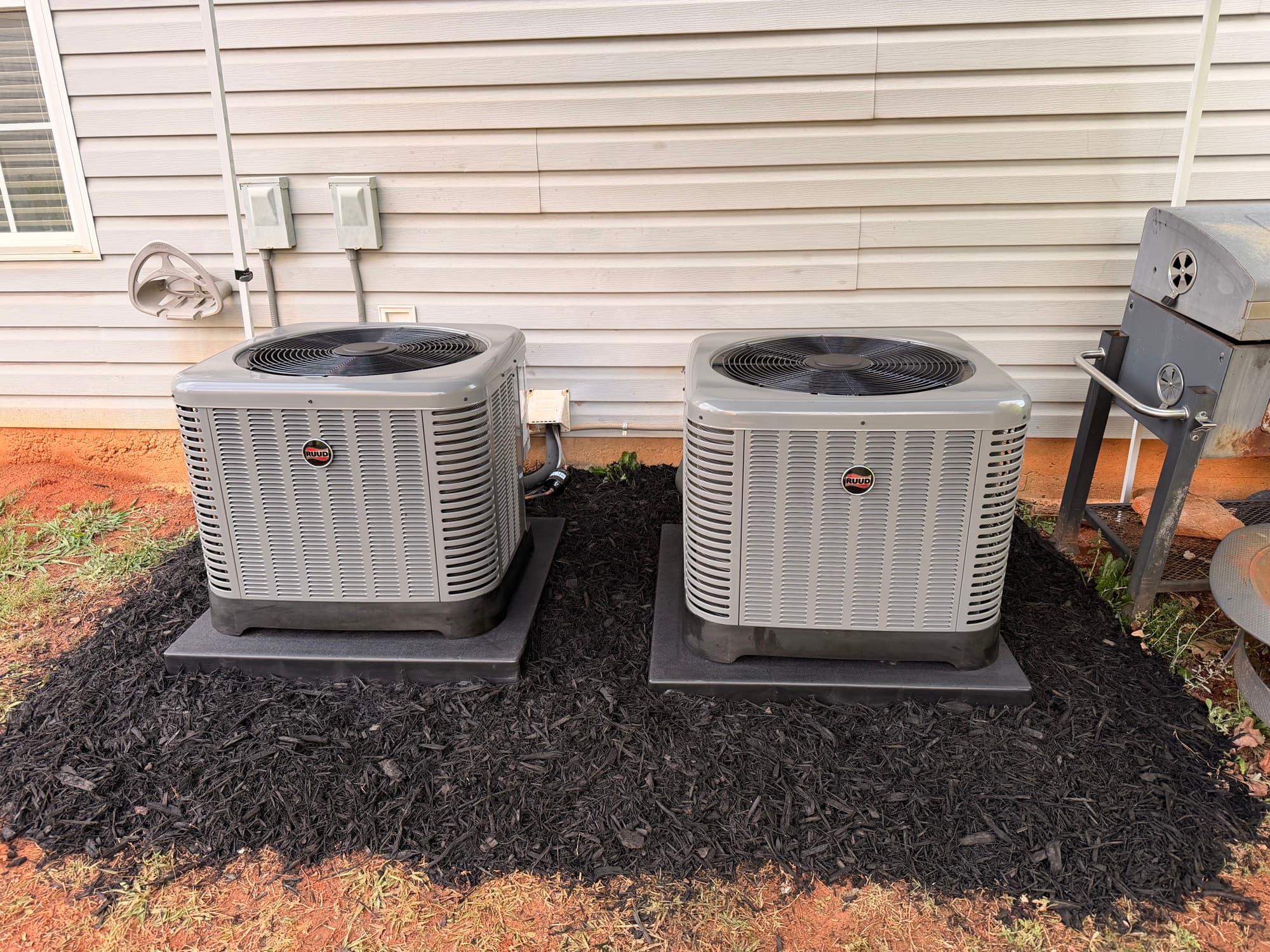
How Is the Right HVAC System Size Chosen for a Home?
Correct capacity is based on heating and cooling loads, duct capability, design conditions, and comfort goals rather than square footage alone.
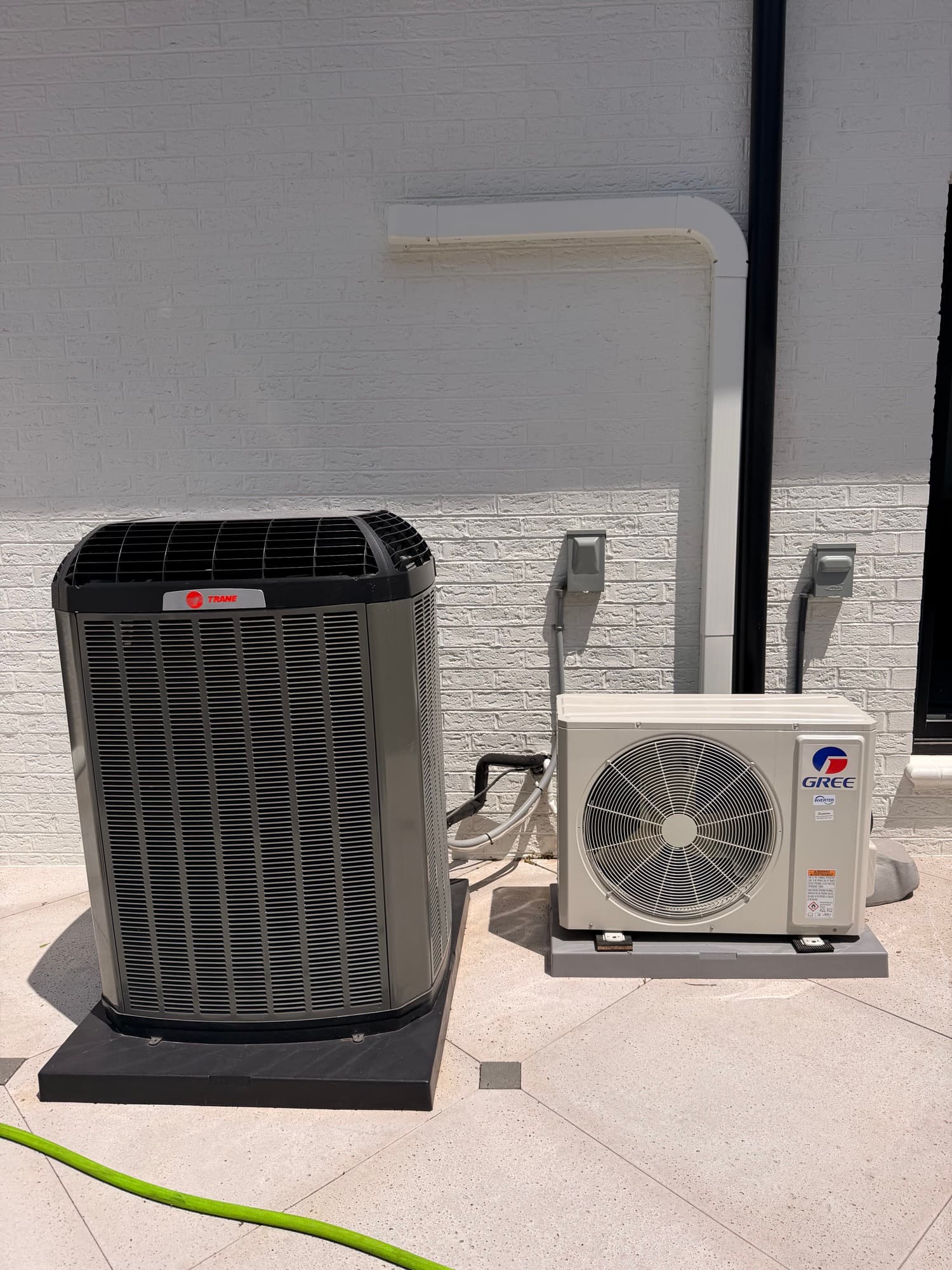
What Does a SEER2 Rating Mean for Homeowners?
SEER2 is a standardized seasonal cooling-efficiency rating, but actual results also depend on climate, sizing, ducts, controls, and installation.
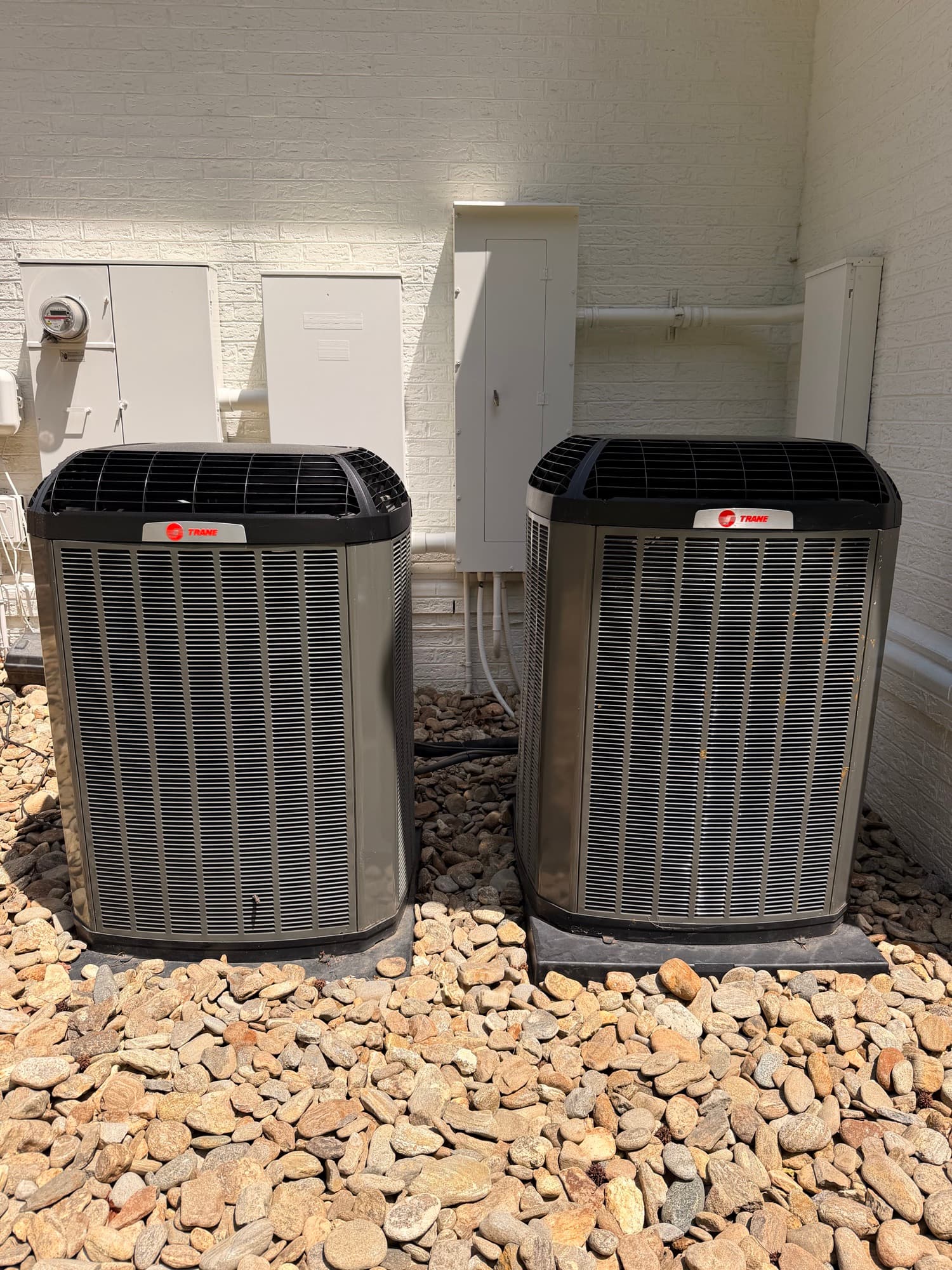
Single-Stage, Two-Stage, or Variable HVAC: Which Fits Your Home?
Single-stage equipment runs at full output, while staged and variable systems can better match changing loads; the best fit depends on home, ducts, budget, controls, and service support.
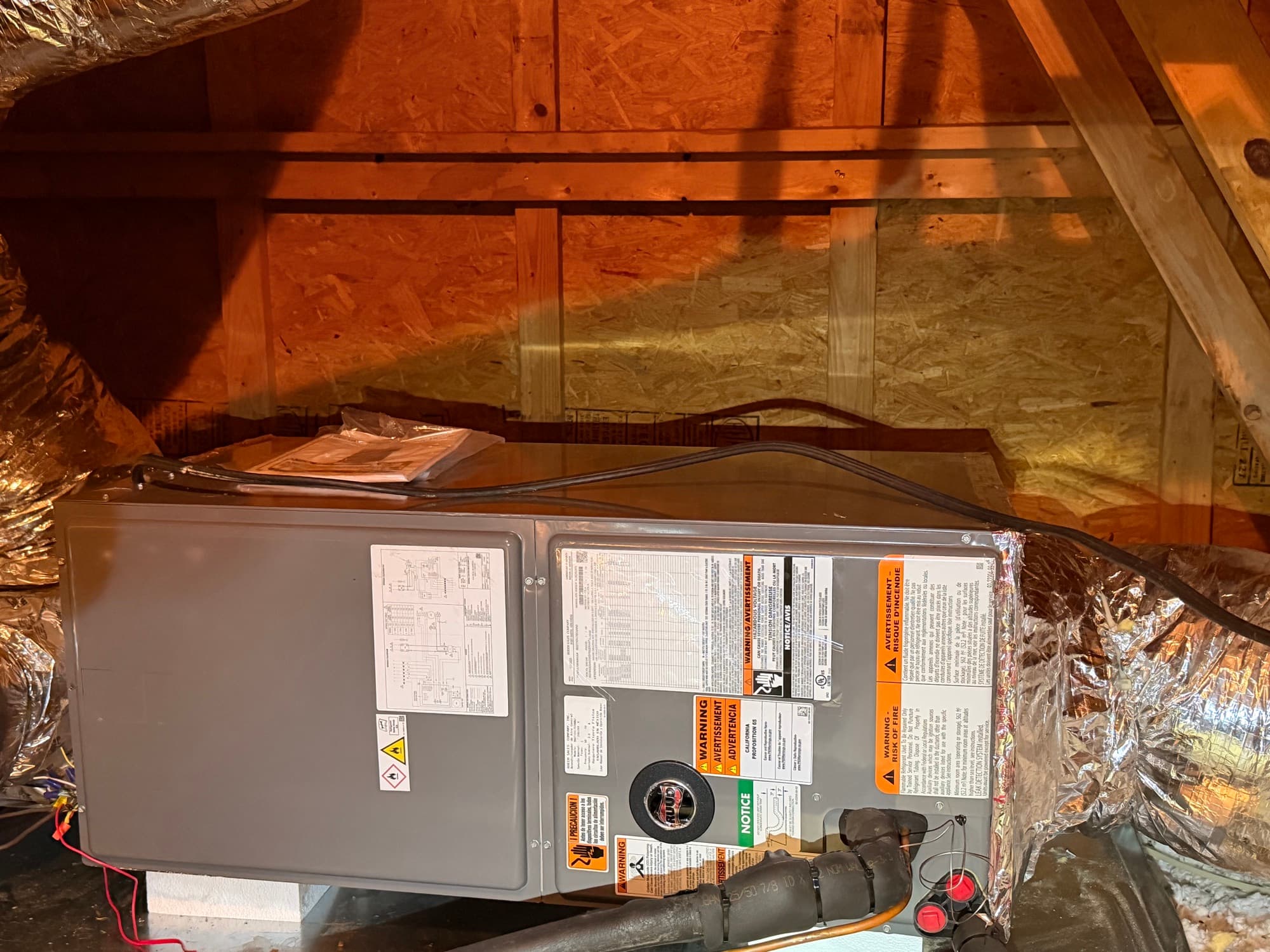
Packaged Unit or Split HVAC System: What Is the Difference?
A packaged unit combines major components outdoors while a split system separates indoor and outdoor equipment, making layout, access, ducts, and weather exposure important.
Ductless Mini-Split Buying Guide for Upstate SC Homes
Ductless equipment can suit additions or homes without practical ducts, but performance depends on room loads, head placement, drainage, and outdoor-unit design.
Dual-Fuel HVAC Buying Guide for South Carolina Homeowners
Dual-fuel equipment combines a heat pump with fuel-fired backup, and its value depends on loads, fuel access, matched equipment, controls, and current utility costs.
How to Decide Whether to Repair or Replace an HVAC System
Weigh the confirmed repair, total condition, comfort, efficiency, parts availability, reliability, and replacement scope rather than age alone.
Why Matched Indoor and Outdoor HVAC Equipment Matters
Indoor and outdoor components are rated in approved combinations, and an unmatched system can lose capacity, efficiency, humidity control, or warranty support.
How to Choose a Thermostat That Works With Your HVAC System
Compatibility depends on voltage, stages, heat-pump logic, accessories, wiring, and proprietary communication, so a popular thermostat may not retain every feature.
How to Compare HVAC Equipment and Labor Warranties
Parts, compressor, labor, and installation warranties can have different providers, registration steps, exclusions, and transfer rules.
How to Compare HVAC Contractor Proposals Apples to Apples
Compare sizing work, exact models, efficiency match, ducts, electrical scope, permits, commissioning, warranties, exclusions, and payment terms.
What Is a Manual J Load Calculation and Why Does It Matter?
A Manual J estimates room and home loads from construction, orientation, insulation, windows, infiltration, and local design conditions, providing a sizing basis rather than a guarantee.
Which HVAC Features Help Control Summer Humidity?
Correct sizing, low-capacity runtime, proper airflow, sealed ducts, controls, and dedicated dehumidification can support moisture control depending on the home's actual conditions.
Whole-Home Dehumidifier Buying Guide for Humid South Carolina Homes
A whole-home dehumidifier should match the moisture load, connect to suitable airflow, drain reliably, and coordinate with HVAC controls.
How to Choose a Whole-Home Air Cleaner
Selection should balance particle removal, airflow, filter service, cabinet space, and pollutants of concern because no filter solves every air-quality issue.
HVAC UV Light Buying Guide: Uses, Limits, and Safety
Properly designed UV equipment may help control growth on illuminated surfaces but does not replace filtration, moisture correction, or source control.
Is an HVAC Zoning System Right for Your Home?
Zoning can help areas with different loads or schedules but needs compatible equipment, thoughtful ducts, adequate airflow, and coordinated controls.
Should You Replace Ductwork With a New HVAC System?
Replacement is worth considering when ducts are damaged, poorly sized, inaccessible for repair, or causing substantial leakage and comfort problems; age alone is not enough.
HVAC Buying Guide for Older Upstate SC Homes
Older homes may have limited ducts, envelope leakage, electrical constraints, additions, or preservation concerns that make like-for-like replacement unreliable.
How to Choose HVAC for a Two-Story Home
Two-story comfort depends on room loads, returns, ducts, stack effect, thermostat location, capacity, and whether zoning or multiple systems is practical.
HVAC Buying Guide for New-Construction Homes
New construction lets equipment, ducts, ventilation, envelope, drains, and controls be designed together before finishes restrict access.
HVAC Buying Guide for a Rental Property
Rental equipment should balance correct sizing, comfort, serviceability, controls, efficiency, durability, and clear maintenance responsibilities.
First-Time HVAC Replacement Checklist for Homeowners
A first replacement decision should cover diagnosis, load and duct evaluation, exact equipment, installation scope, warranties, commissioning, payment terms, and alternatives.
What Should Happen at a New HVAC System Handoff?
A complete handoff confirms the installed models, controls, airflow and operation, drainage, registrations, warranties, filter care, documents, and whom to call for support.
7 Signs You Need a New HVAC System (Upstate SC Homeowner Guide)
Rising bills, uneven rooms, and frequent repairs are warning lights. Here are seven signs it may be time to replace your Upstate HVAC system, and how we help you decide.
Heat Pump vs. Furnace in South Carolina: Which Should You Choose?
For most Upstate SC homes, a heat pump is the efficient default, but not always. Here's how heat pumps and furnaces compare in our climate, and when dual-fuel wins.
Take the next step
Ready for expert HVAC service?
Schedule online or call for emergency service. Same-day availability across the Upstate.