
What packaged unit vs split HVAC system usually means
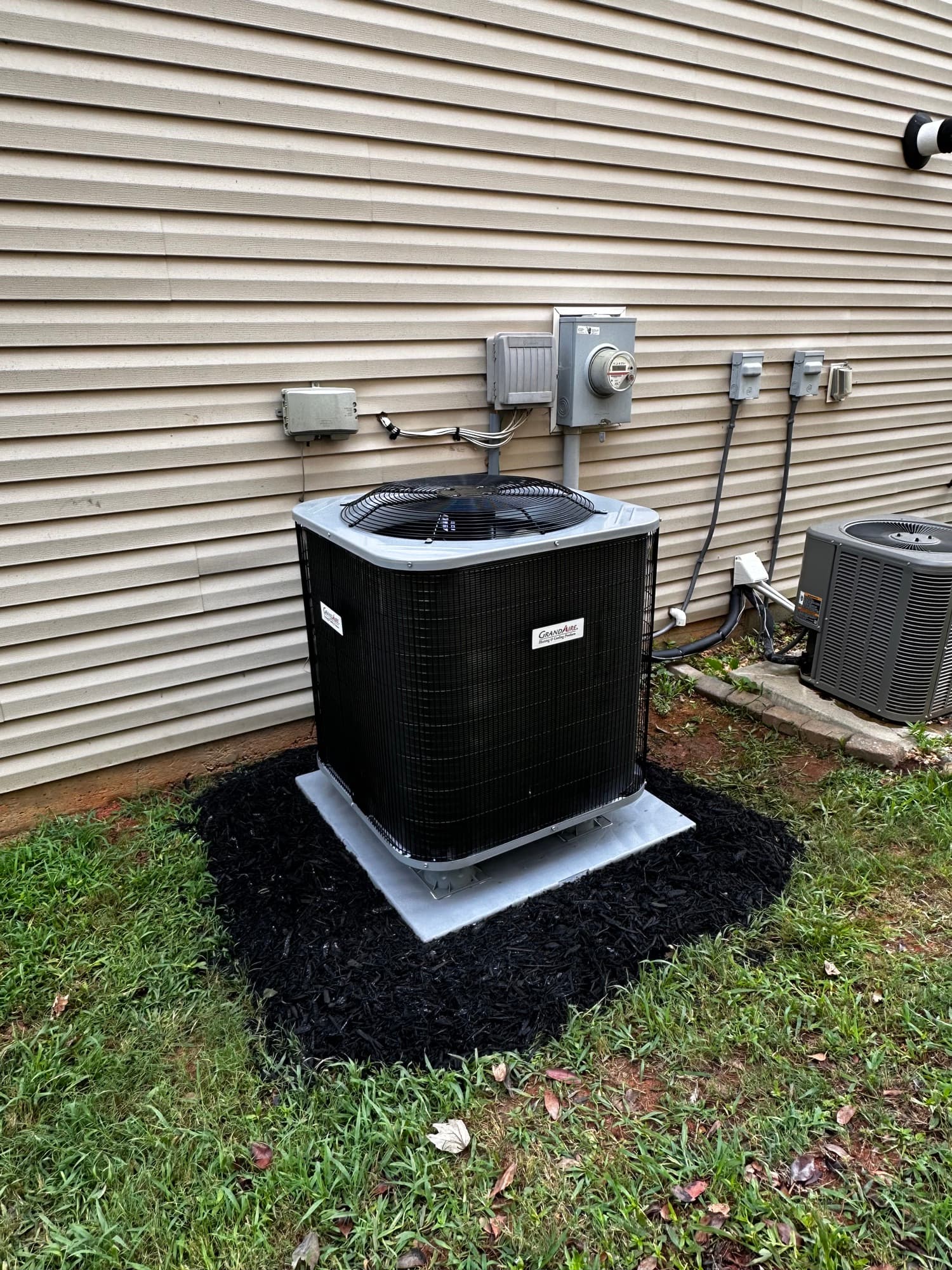
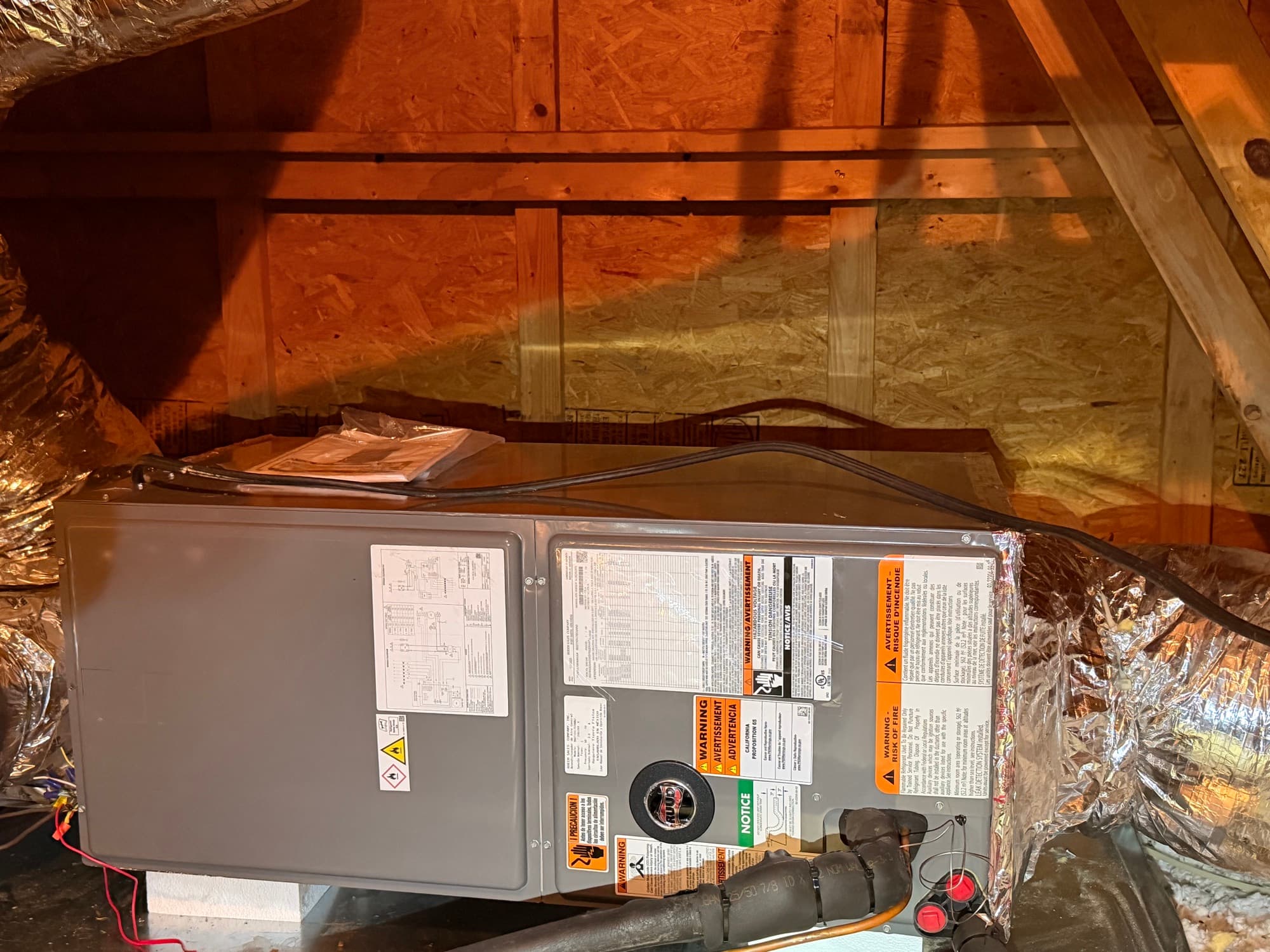
A packaged unit combines major components outdoors while a split system separates indoor and outdoor equipment, making layout, access, ducts, and weather exposure important.
The first useful clue
The property has a practical indoor equipment location or instead favors one outdoor cabinet.
Details that narrow down packaged unit vs split HVAC system
- Roof, pad, crawlspace, and duct-transition access change installation and future service.
- Weather exposure, drainage, fuel, and electrical routes differ between configurations.
Define the result you need from packaged unit vs split HVAC system—restored operation, more even rooms, moisture control, lower risk, or a replacement decision—so the visit answers the right question.
What a homeowner can check safely
Identify current equipment locations and access concerns without climbing onto a roof.
Safety boundary
Equipment selection and installation involve electrical, refrigerant, combustion, drainage, structural, and code considerations. Use a properly qualified contractor and do not treat an online sizing rule or product comparison as a final design. If you smell burning, suspect gas or carbon monoxide, see arcing, or feel unsafe, shut the system down from a safe location, leave the area when appropriate, and call emergency services or Restore at (864) 479-6737.
What the professional evaluation should answer
A contractor should assess loads, structure, access, duct transitions, drainage, electrical or fuel needs, and equipment matching.
A clear proposal for packaged unit vs split HVAC system states what was tested, what remains uncertain, what the correction includes, and how operation will be verified afterward.
- Which layout best fits the home's structure and existing duct connections?
- How will technicians safely access major components for future service?
- What installation changes and performance tradeoffs come with each configuration?
Why Upstate South Carolina conditions matter
Upstate humidity, long summer runtime, mixed winter temperatures, attic ductwork, and varied housing stock affect comfort and equipment selection. Load calculations and a home-specific inspection are more reliable than replacing by the old unit's nameplate alone.
Weather exposure, drainage, fuel, and electrical routes differ between configurations.
How to choose the next step without guesswork
Keep the measurement record and written scope for packaged unit vs split HVAC system; it gives another technician the same starting point and makes future decisions less dependent on memory.
- Which layout best fits the home's structure and existing duct connections?
- How will technicians safely access major components for future service?
- What installation changes and performance tradeoffs come with each configuration?