
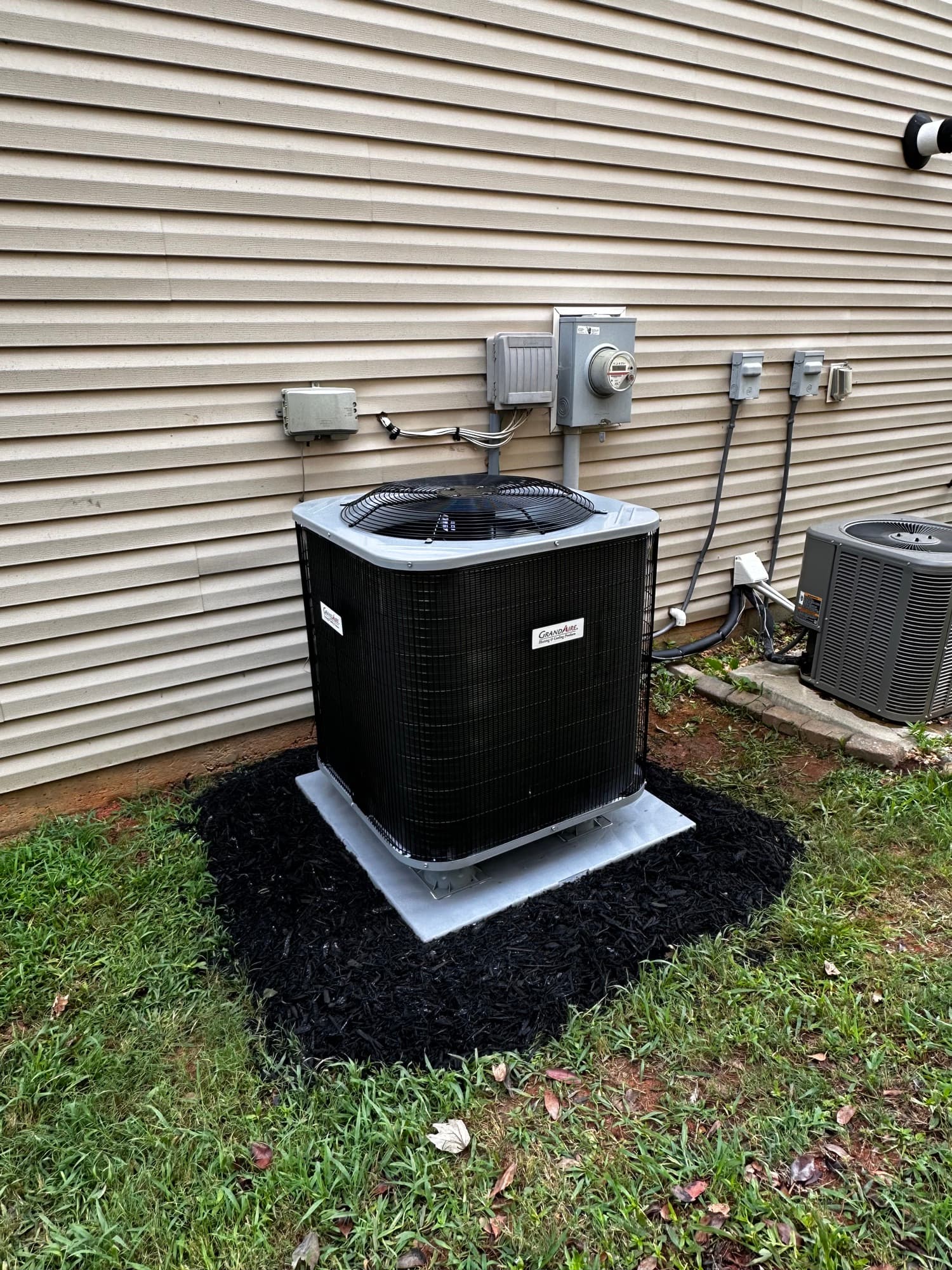
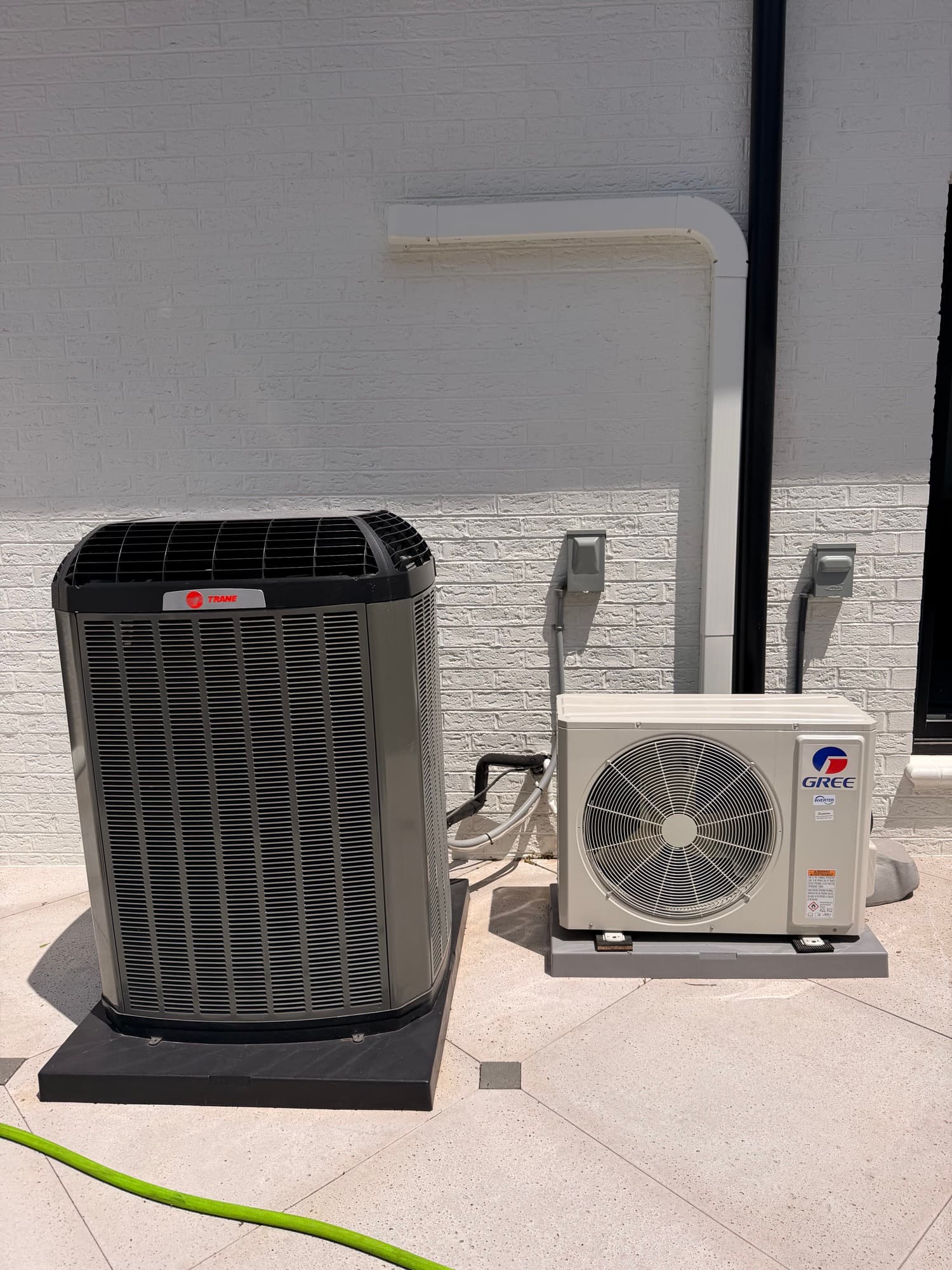
What dual fuel HVAC buying guide South Carolina usually means
Dual-fuel equipment combines a heat pump with fuel-fired backup, and its value depends on loads, fuel access, matched equipment, controls, and current utility costs.
The first useful clue
The home already has or can safely support the proposed fuel and venting.
Details that narrow down dual fuel HVAC buying guide South Carolina
- Current utility usage and design loads inform the heat-source comparison.
- Controls can change sources predictably without unnecessary backup operation.
When documenting dual fuel HVAC buying guide South Carolina, photograph the thermostat display and any safely visible condition, then note the weather and whether the system had recently changed modes.
What a homeowner can check safely
Gather utility usage and existing fuel information, and leave fuel and venting inspection to professionals.
Safety boundary
Equipment selection and installation involve electrical, refrigerant, combustion, drainage, structural, and code considerations. Use a properly qualified contractor and do not treat an online sizing rule or product comparison as a final design. If you smell burning, suspect gas or carbon monoxide, see arcing, or feel unsafe, shut the system down from a safe location, leave the area when appropriate, and call emergency services or Restore at (864) 479-6737.
What the professional evaluation should answer
A contractor should calculate loads, verify equipment and controls, set changeover logic, inspect venting, and commission both heat sources.
The written finding for dual fuel HVAC buying guide South Carolina should distinguish the confirmed cause, contributing conditions, present risk, and optional improvements so each recommendation is clear.
- At what documented condition will the system switch heat sources?
- How do current fuel availability, loads, and equipment capacities affect the choice?
- Who will commission combustion, heat-pump, and changeover operation together?
Why Upstate South Carolina conditions matter
Upstate humidity, long summer runtime, mixed winter temperatures, attic ductwork, and varied housing stock affect comfort and equipment selection. Load calculations and a home-specific inspection are more reliable than replacing by the old unit's nameplate alone.
Controls can change sources predictably without unnecessary backup operation.
How to choose the next step without guesswork
When deciding what to do about dual fuel HVAC buying guide South Carolina, ask which finding changes the decision today and which items can be monitored, maintained, or budgeted for later.
- At what documented condition will the system switch heat sources?
- How do current fuel availability, loads, and equipment capacities affect the choice?
- Who will commission combustion, heat-pump, and changeover operation together?