
What restart HVAC after power outage usually means
After power is stable, allow several minutes for built-in compressor protection before expecting cooling or heating to resume. If a breaker trips again, the equipment hums without starting, or an error remains, leave it off for professional diagnosis.
The first useful clue
The thermostat shows a built-in restart delay after power returns.
Details that narrow down restart HVAC after power outage
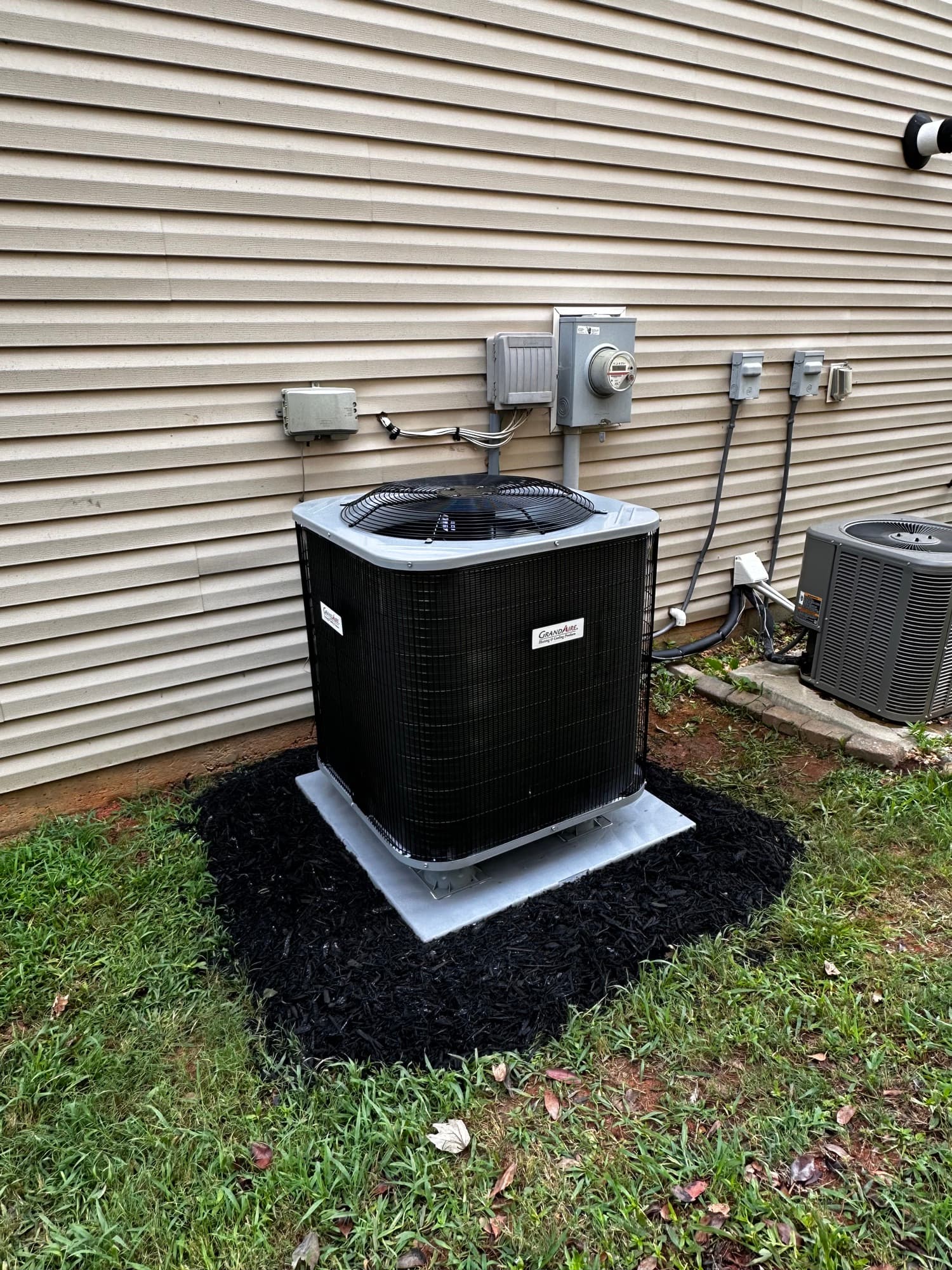
- Indoor equipment runs while the outdoor unit remains silent.
- A breaker retrips, or the equipment hums without starting.
Define the result you need from restart HVAC after power outage—restored operation, more even rooms, moisture control, lower risk, or a replacement decision—so the visit answers the right question.
What a homeowner can check safely
Confirm the thermostat is powered and wait for its delay; reset a tripped breaker no more than once and never remove an electrical cover.
Safety boundary
Never work on energized, flooded, storm-damaged, iced, or visibly unsafe equipment. After severe weather or an outage, use normal controls only and arrange an inspection when damage, burning, repeated tripping, or abnormal operation appears. If you smell burning, suspect gas or carbon monoxide, see arcing, or feel unsafe, shut the system down from a safe location, leave the area when appropriate, and call emergency services or Restore at (864) 479-6737.
What the professional evaluation should answer
Check incoming voltage, fault history, contactors, capacitors, motor operation, and compressor current before repeated restart attempts.
A clear proposal for restart HVAC after power outage states what was tested, what remains uncertain, what the correction includes, and how operation will be verified afterward.
- Has utility power remained stable long enough for protective delays to expire?
- Did only the HVAC lose power, or are other circuits behaving abnormally?
- Which stored fault or electrical reading identifies why restart failed?
Why Upstate South Carolina conditions matter
Greenville-Spartanburg climate normals show hot summers, while the region also experiences humidity, heavy pollen, thunderstorms, occasional freezes, and rapid temperature swings. Seasonal HVAC planning should prepare for those real local loads rather than a generic national schedule.
A breaker retrips, or the equipment hums without starting.
How to choose the next step without guesswork
Keep the measurement record and written scope for restart HVAC after power outage; it gives another technician the same starting point and makes future decisions less dependent on memory.
- Has utility power remained stable long enough for protective delays to expire?
- Did only the HVAC lose power, or are other circuits behaving abnormally?
- Which stored fault or electrical reading identifies why restart failed?