
What prepare HVAC for tropical storm rain usually means
The safest preparation is to remove nearby loose objects, preserve drainage, and follow official weather guidance rather than covering or tying down an operating unit. Flood exposure or impact damage requires inspection before restart.
The first useful clue
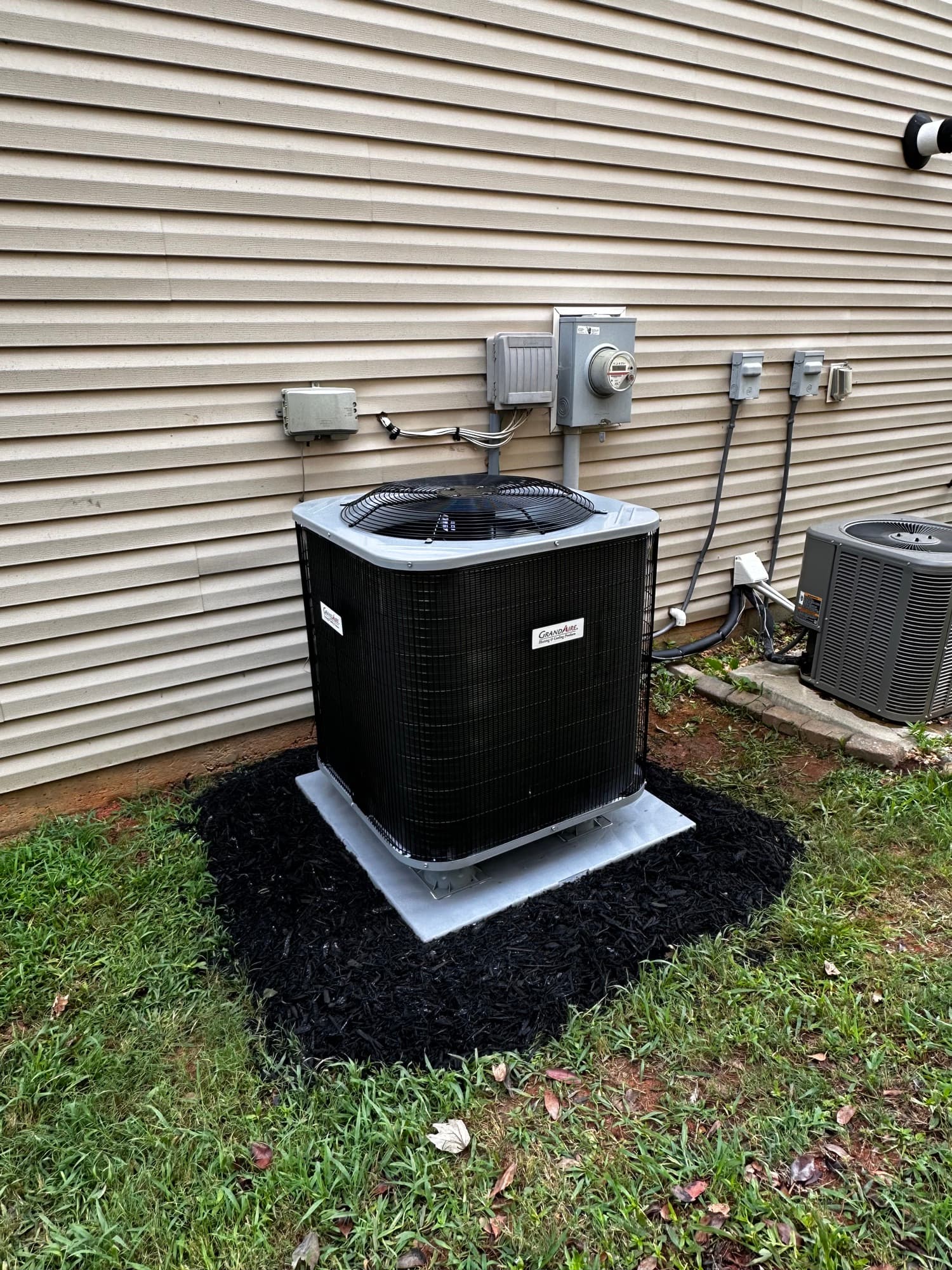
Loose patio items or branches could reach the outdoor cabinet in high wind.
Details that narrow down prepare HVAC for tropical storm rain
- Runoff pools near the equipment pad during heavy rain.
- The unit or its disconnect shows visible impact or flood exposure afterward.
For prepare HVAC for tropical storm rain, record when the condition appears, how long it lasts, which rooms or operating modes are affected, and what changed immediately beforehand.
What a homeowner can check safely
Before conditions worsen, move patio items that could strike the unit and confirm runoff can move away without entering flooded areas.
Safety boundary
Never work on energized, flooded, storm-damaged, iced, or visibly unsafe equipment. After severe weather or an outage, use normal controls only and arrange an inspection when damage, burning, repeated tripping, or abnormal operation appears. If you smell burning, suspect gas or carbon monoxide, see arcing, or feel unsafe, shut the system down from a safe location, leave the area when appropriate, and call emergency services or Restore at (864) 479-6737.
What the professional evaluation should answer
After the event, assess cabinet damage, coil condition, electrical exposure, anchoring, drainage, and safe startup readings.
A useful diagnosis of prepare HVAC for tropical storm rain connects the complaint to repeatable measurements under the conditions that produce it; a single symptom or part guess is not enough.
- Can loose objects be removed before winds arrive without covering the operating unit?
- Does site drainage keep predicted water below electrical and equipment openings?
- What post-storm inspection is needed before a flooded or struck unit restarts?
Why Upstate South Carolina conditions matter
Greenville-Spartanburg climate normals show hot summers, while the region also experiences humidity, heavy pollen, thunderstorms, occasional freezes, and rapid temperature swings. Seasonal HVAC planning should prepare for those real local loads rather than a generic national schedule.
The unit or its disconnect shows visible impact or flood exposure afterward.
How to choose the next step without guesswork
For prepare HVAC for tropical storm rain, separate the immediate problem from secondary improvements, then compare the evidence, scope, warranty, exclusions, and verification plan.
- Can loose objects be removed before winds arrive without covering the operating unit?
- Does site drainage keep predicted water below electrical and equipment openings?
- What post-storm inspection is needed before a flooded or struck unit restarts?