
What HVAC inspection after hail storm usually means
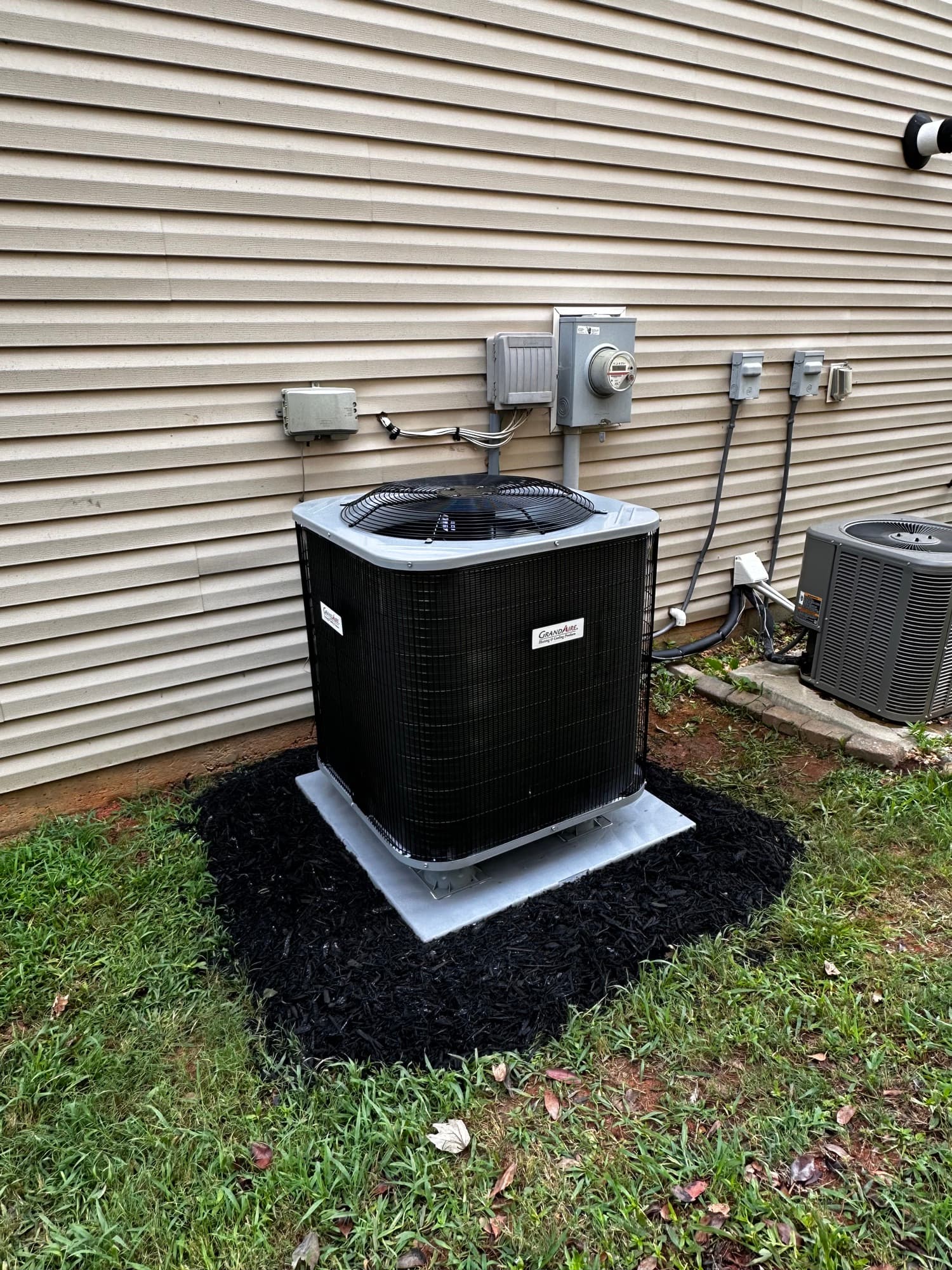
Hail and wind can bend coil fins, move debris, damage fan guards, or disturb electrical service even when the system still runs. Visible cabinet damage, unusual sound, or degraded cooling warrants a professional inspection.
The first useful clue
Coil fins or the fan guard show new dents after the storm.
Details that narrow down HVAC inspection after hail storm
- Branches or roofing debris struck or shifted the outdoor cabinet.
- Cooling performance, sound, or vibration changed after the event.
Define the result you need from HVAC inspection after hail storm—restored operation, more even rooms, moisture control, lower risk, or a replacement decision—so the visit answers the right question.
What a homeowner can check safely
From outside the equipment, photograph dents and debris and listen from a safe distance; do not straighten fins or reach into the fan area.
Safety boundary
Never work on energized, flooded, storm-damaged, iced, or visibly unsafe equipment. After severe weather or an outage, use normal controls only and arrange an inspection when damage, burning, repeated tripping, or abnormal operation appears. If you smell burning, suspect gas or carbon monoxide, see arcing, or feel unsafe, shut the system down from a safe location, leave the area when appropriate, and call emergency services or Restore at (864) 479-6737.
What the professional evaluation should answer
Inspect the coil face, fan assembly, refrigerant circuit, wiring, anchoring, clearances, and operating pressures and temperatures.
A clear proposal for HVAC inspection after hail storm states what was tested, what remains uncertain, what the correction includes, and how operation will be verified afterward.
- Is damage cosmetic, airflow-restricting, or likely to affect the refrigerant or fan system?
- Did the unit shift enough to stress wiring, piping, or its pad?
- What operating measurements document whether storm damage changed performance?
Why Upstate South Carolina conditions matter
Greenville-Spartanburg climate normals show hot summers, while the region also experiences humidity, heavy pollen, thunderstorms, occasional freezes, and rapid temperature swings. Seasonal HVAC planning should prepare for those real local loads rather than a generic national schedule.
Cooling performance, sound, or vibration changed after the event.
How to choose the next step without guesswork
Keep the measurement record and written scope for HVAC inspection after hail storm; it gives another technician the same starting point and makes future decisions less dependent on memory.
- Is damage cosmetic, airflow-restricting, or likely to affect the refrigerant or fan system?
- Did the unit shift enough to stress wiring, piping, or its pad?
- What operating measurements document whether storm damage changed performance?