
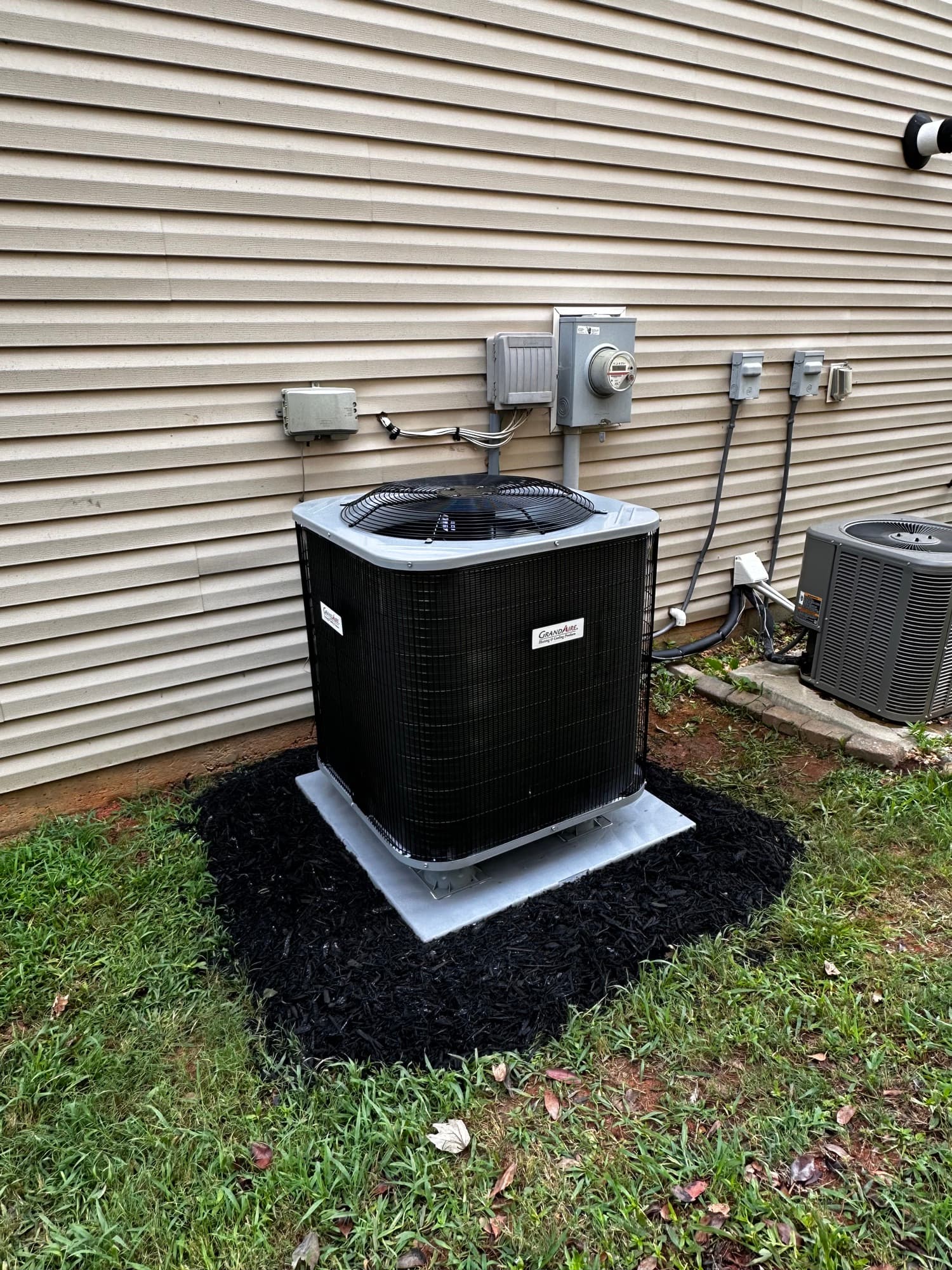
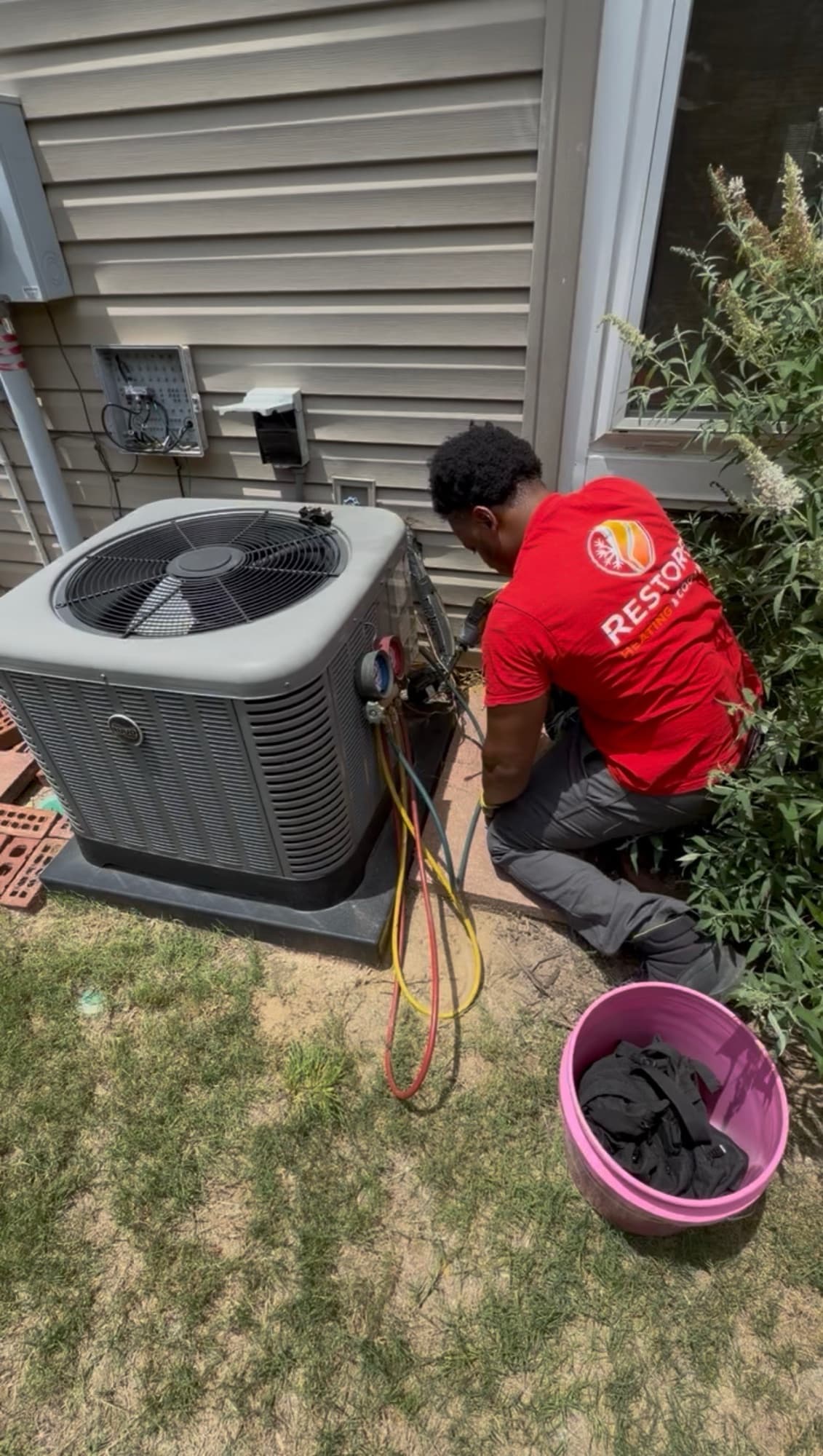
What heat pump steaming in winter usually means
A brief vapor cloud during defrost is usually normal, while persistent heavy ice, unusual noise, or failure to resume heating may indicate a fault.
The first useful clue
A vapor cloud appears briefly while the outdoor fan pauses.
Details that narrow down heat pump steaming in winter
- Water drains below the unit and normal heating resumes after the event.
- Heavy ice remains for long periods or heating does not return after vapor clears.
Define the result you need from heat pump steaming in winter—restored operation, more even rooms, moisture control, lower risk, or a replacement decision—so the visit answers the right question.
What a homeowner can check safely
Watch from a safe distance to see whether vapor clears and heating resumes; never pour hot water on the coil or chip ice.
Safety boundary
Limit homeowner checks to normal controls, accessible filters, visible obstructions, and observations. Shut the system down and get help for burning odors, arcing, repeated breaker trips, suspected gas or carbon monoxide, or any check that requires opening equipment. If you smell burning, suspect gas or carbon monoxide, see arcing, or feel unsafe, shut the system down from a safe location, leave the area when appropriate, and call emergency services or Restore at (864) 479-6737.
What the professional evaluation should answer
A technician can verify defrost controls and sensors, reversing-valve operation, coil airflow, refrigeration performance, and cycle timing.
A clear proposal for heat pump steaming in winter states what was tested, what remains uncertain, what the correction includes, and how operation will be verified afterward.
- Is the observed event a complete, normally timed defrost cycle?
- Are defrost sensors, board outputs, reversing valve, and outdoor fan responding correctly?
- Do airflow or refrigeration readings explain persistent ice?
Why Upstate South Carolina conditions matter
Long cooling seasons, humid air, spring pollen, hot attics, and summer thunderstorms place different loads on Upstate systems. Those conditions can expose drainage, airflow, electrical, and capacity problems that stayed hidden during mild weather.
Heavy ice remains for long periods or heating does not return after vapor clears.
How to choose the next step without guesswork
Keep the measurement record and written scope for heat pump steaming in winter; it gives another technician the same starting point and makes future decisions less dependent on memory.
- Is the observed event a complete, normally timed defrost cycle?
- Are defrost sensors, board outputs, reversing valve, and outdoor fan responding correctly?
- Do airflow or refrigeration readings explain persistent ice?