
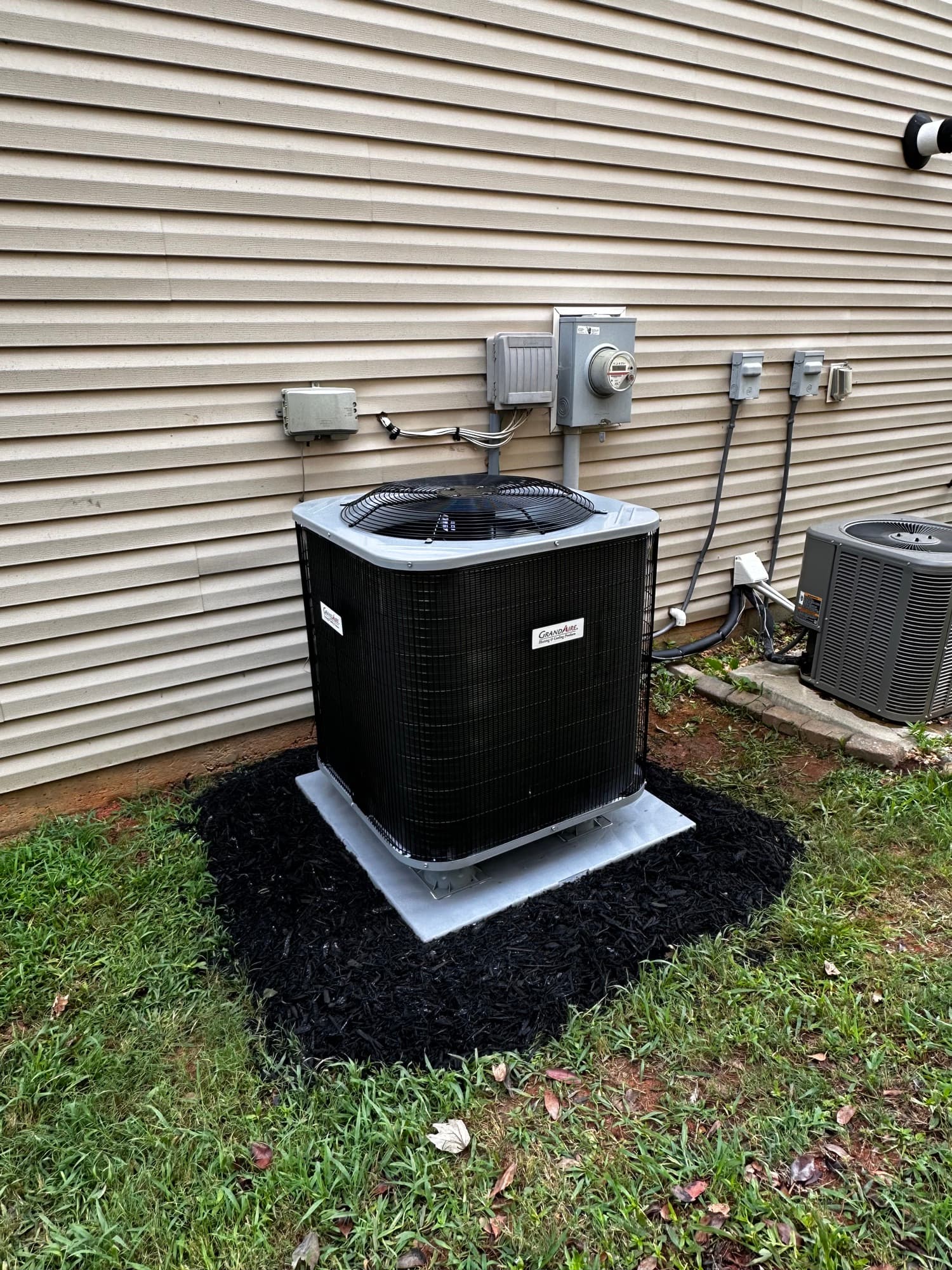
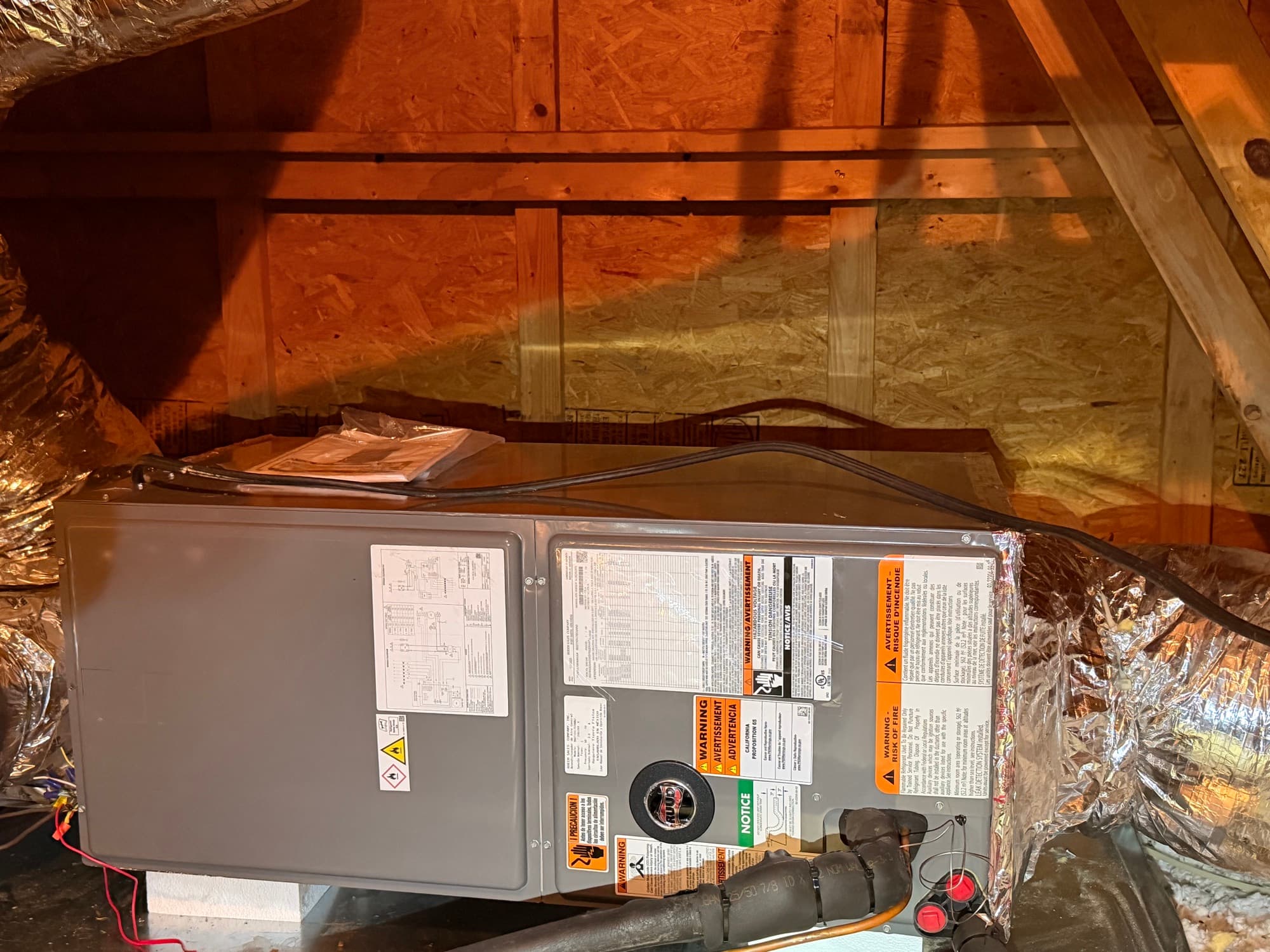
What heat pump not heating enough usually means
A heat pump may struggle because of airflow, defrost, thermostat, auxiliary-heat, refrigeration, or weather-related load conditions, and its supply air normally feels cooler than furnace air.
The first useful clue
Indoor temperature falls behind while the heat pump runs continuously.
Details that narrow down heat pump not heating enough
- Supply air is mildly warm but room temperature does not recover.
- Outdoor ice persists instead of clearing during normal defrost cycles.
When documenting heat pump not heating enough, photograph the thermostat display and any safely visible condition, then note the weather and whether the system had recently changed modes.
What a homeowner can check safely
Check the filter and thermostat mode and clear loose leaves nearby; never scrape ice or open electrical panels.
Safety boundary
Limit homeowner checks to normal controls, accessible filters, visible obstructions, and observations. Shut the system down and get help for burning odors, arcing, repeated breaker trips, suspected gas or carbon monoxide, or any check that requires opening equipment. If you smell burning, suspect gas or carbon monoxide, see arcing, or feel unsafe, shut the system down from a safe location, leave the area when appropriate, and call emergency services or Restore at (864) 479-6737.
What the professional evaluation should answer
A technician can measure delivered temperature and airflow, inspect defrost, test auxiliary stages, and evaluate refrigeration performance.
The written finding for heat pump not heating enough should distinguish the confirmed cause, contributing conditions, present risk, and optional improvements so each recommendation is clear.
- What heating capacity is being delivered at the current outdoor temperature?
- Are airflow, refrigerant operation, or defrost reducing heat output?
- Are auxiliary stages and thermostat controls operating when legitimately needed?
Why Upstate South Carolina conditions matter
Long cooling seasons, humid air, spring pollen, hot attics, and summer thunderstorms place different loads on Upstate systems. Those conditions can expose drainage, airflow, electrical, and capacity problems that stayed hidden during mild weather.
Outdoor ice persists instead of clearing during normal defrost cycles.
How to choose the next step without guesswork
When deciding what to do about heat pump not heating enough, ask which finding changes the decision today and which items can be monitored, maintained, or budgeted for later.
- What heating capacity is being delivered at the current outdoor temperature?
- Are airflow, refrigerant operation, or defrost reducing heat output?
- Are auxiliary stages and thermostat controls operating when legitimately needed?