What HVAC thunderstorm safety Upstate SC usually means
Thunderstorms can cause outages, surges, flooding, and debris impacts that affect HVAC equipment. Avoid touching wet equipment or opening panels, and have the system inspected if it behaves differently after the storm.
The first useful clue
The outage or lightning event coincided with the HVAC stopping.
Details that narrow down HVAC thunderstorm safety Upstate SC
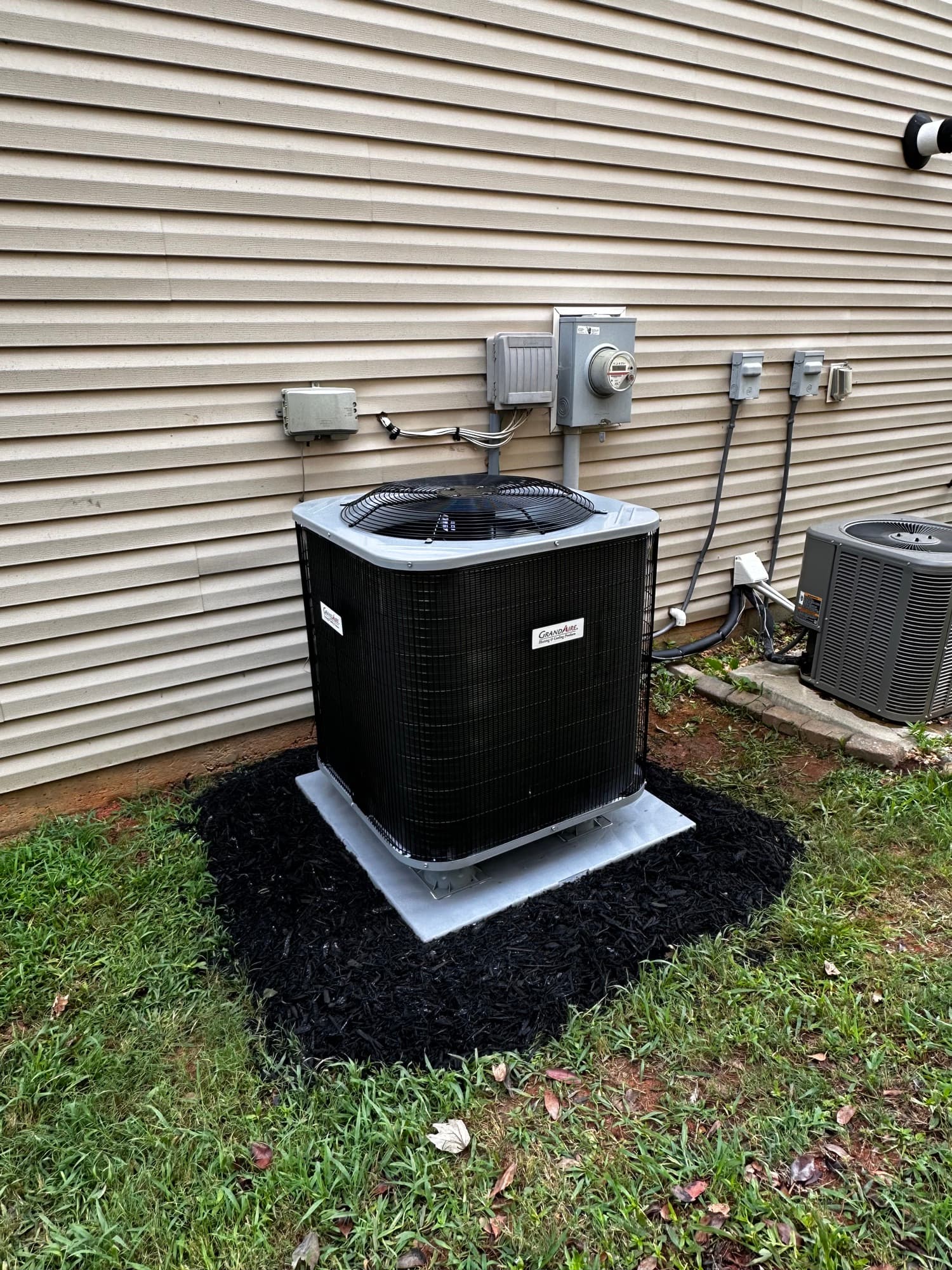
- Standing water, windblown debris, or cabinet damage is visible outside.
- The system now hums, trips a breaker, or behaves differently than before.
Before an evaluation of HVAC thunderstorm safety Upstate SC, gather the equipment model, approximate age, repair history, filter history, and any prior estimate so the recommendation starts from the same facts.
What a homeowner can check safely
From a dry, safe location, note outage timing and visible debris; stay away from standing water, damaged wiring, and the outdoor disconnect.
Safety boundary
Never work on energized, flooded, storm-damaged, iced, or visibly unsafe equipment. After severe weather or an outage, use normal controls only and arrange an inspection when damage, burning, repeated tripping, or abnormal operation appears. If you smell burning, suspect gas or carbon monoxide, see arcing, or feel unsafe, shut the system down from a safe location, leave the area when appropriate, and call emergency services or Restore at (864) 479-6737.
What the professional evaluation should answer
Inspect controls, surge damage indicators, electrical connections, motors, drainage, and the outdoor coil before returning questionable equipment to service.
Measurements related to HVAC thunderstorm safety Upstate SC should be interpreted against equipment design, manufacturer information, and the home's actual airflow and load—not an isolated rule of thumb.
- Was the equipment exposed to water, debris impact, or repeated power interruptions?
- Do any surge devices or controls show a fault status?
- What inspection is needed before damaged or wet equipment can be energized safely?
Why Upstate South Carolina conditions matter
Greenville-Spartanburg climate normals show hot summers, while the region also experiences humidity, heavy pollen, thunderstorms, occasional freezes, and rapid temperature swings. Seasonal HVAC planning should prepare for those real local loads rather than a generic national schedule.
The system now hums, trips a breaker, or behaves differently than before.
How to choose the next step without guesswork
If HVAC thunderstorm safety Upstate SC leads to an expensive recommendation, compare the corrected system's expected condition—not only today's invoice—with the age and condition of the remaining equipment.
- Was the equipment exposed to water, debris impact, or repeated power interruptions?
- Do any surge devices or controls show a fault status?
- What inspection is needed before damaged or wet equipment can be energized safely?