
What summer thermostat settings while away humid climate usually means
Do not shut cooling off completely in a humid Upstate summer; use a higher but moisture-conscious setpoint and leave the fan on AUTO. Homes with known humidity issues, pets, plants, or sensitive belongings may need a more conservative setting.
The first useful clue
Remote thermostat data shows stable temperature and humidity before departure.
Details that narrow down summer thermostat settings while away humid climate
- The condensate area is dry and no drain alert is active.
- Pets, plants, instruments, or finishes require tighter indoor limits.
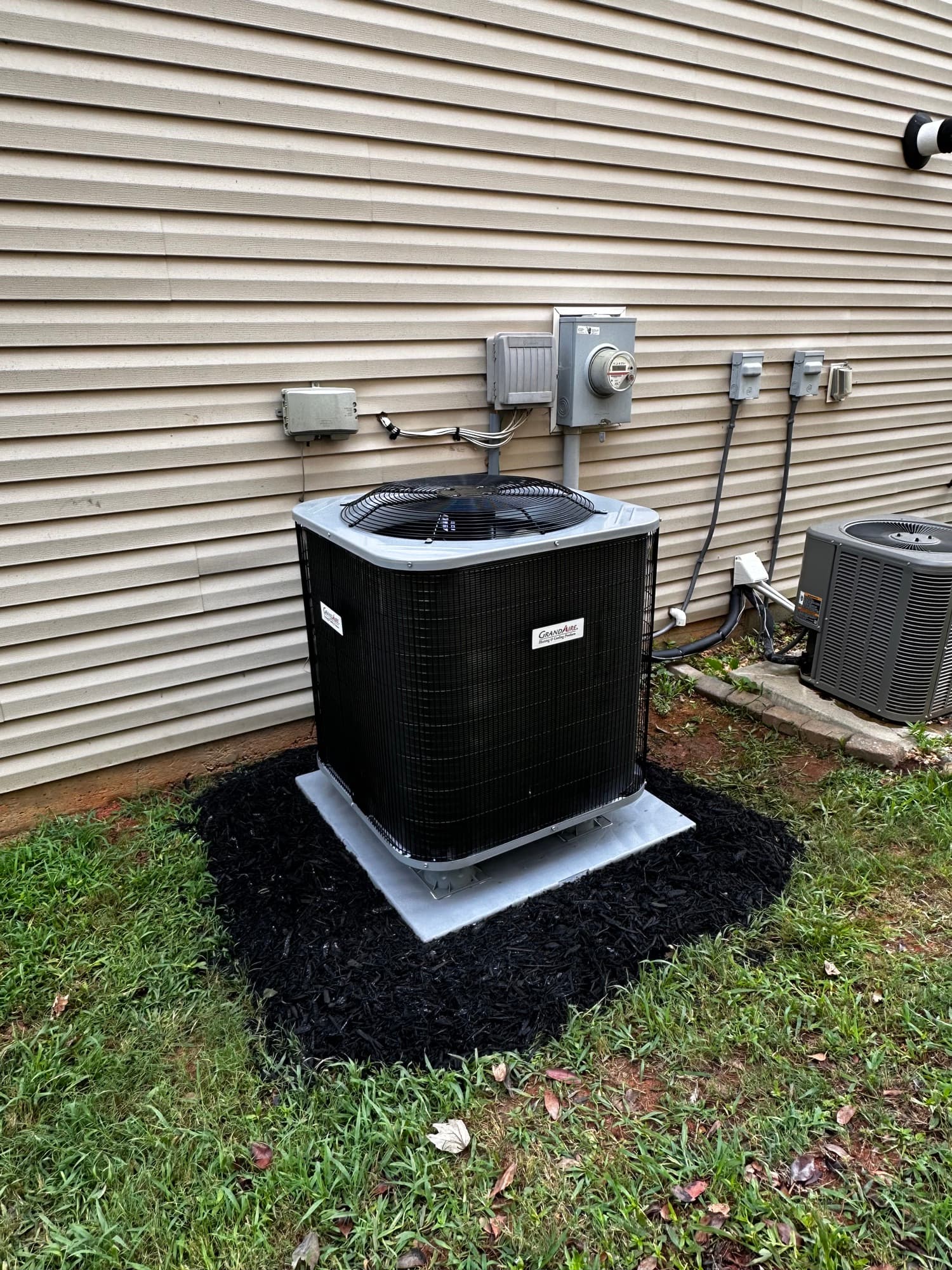
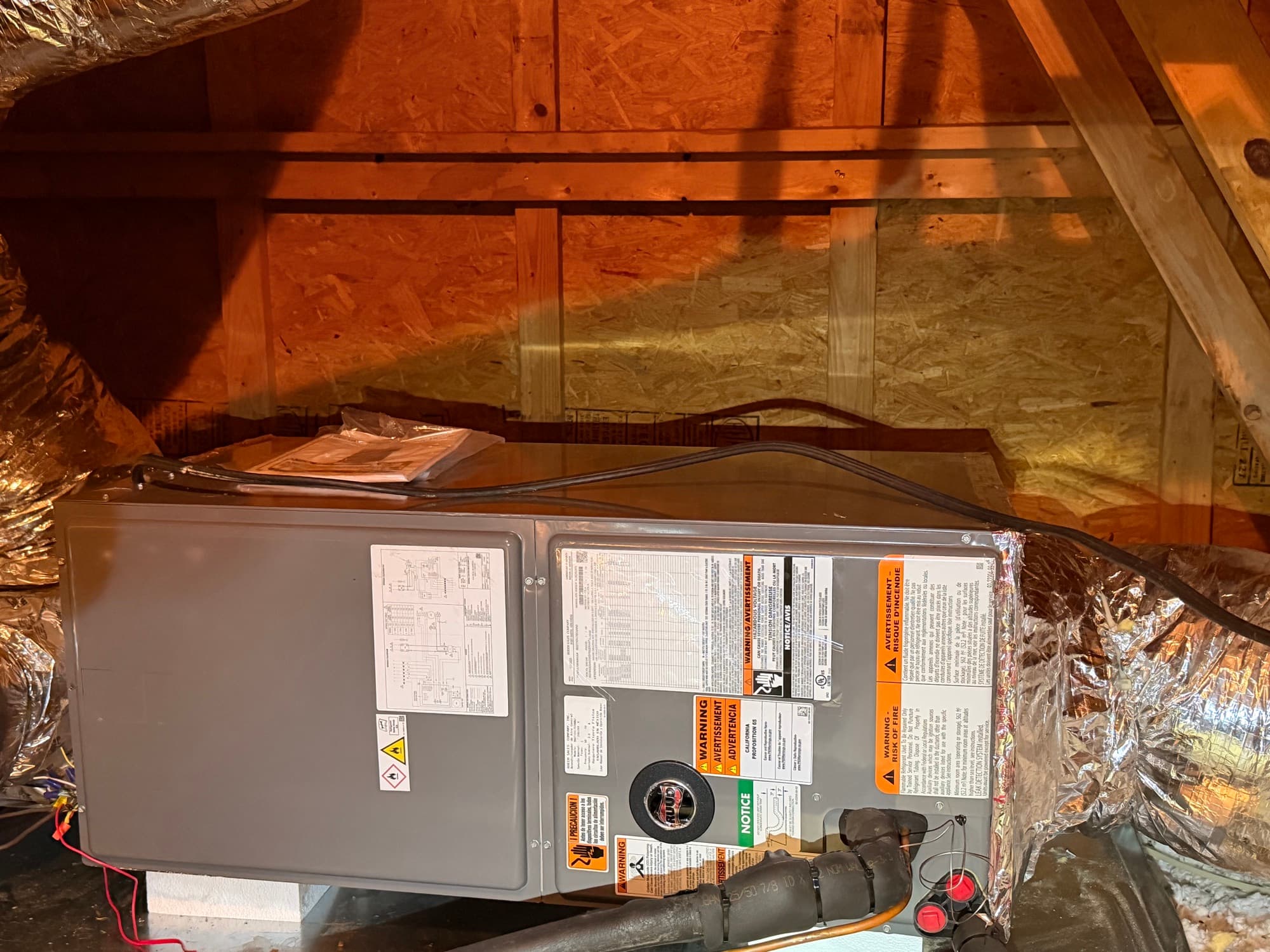
When documenting summer thermostat settings while away humid climate, photograph the thermostat display and any safely visible condition, then note the weather and whether the system had recently changed modes.
What a homeowner can check safely
Replace an overdue filter, clear condensate warning indicators, and arrange for a trusted person to respond if a connected thermostat reports a problem.
Safety boundary
Never work on energized, flooded, storm-damaged, iced, or visibly unsafe equipment. After severe weather or an outage, use normal controls only and arrange an inspection when damage, burning, repeated tripping, or abnormal operation appears. If you smell burning, suspect gas or carbon monoxide, see arcing, or feel unsafe, shut the system down from a safe location, leave the area when appropriate, and call emergency services or Restore at (864) 479-6737.
What the professional evaluation should answer
Verify condensate safety controls, thermostat alerts, dehumidification setup, and equipment reliability before an extended absence.
The written finding for summer thermostat settings while away humid climate should distinguish the confirmed cause, contributing conditions, present risk, and optional improvements so each recommendation is clear.
- What maximum temperature and humidity are acceptable for this particular home?
- Who can safely respond if the thermostat or leak sensor sends an alert?
- Are condensate safeties and remote notifications tested before the trip?
Why Upstate South Carolina conditions matter
Greenville-Spartanburg climate normals show hot summers, while the region also experiences humidity, heavy pollen, thunderstorms, occasional freezes, and rapid temperature swings. Seasonal HVAC planning should prepare for those real local loads rather than a generic national schedule.
Pets, plants, instruments, or finishes require tighter indoor limits.
How to choose the next step without guesswork
When deciding what to do about summer thermostat settings while away humid climate, ask which finding changes the decision today and which items can be monitored, maintained, or budgeted for later.
- What maximum temperature and humidity are acceptable for this particular home?
- Who can safely respond if the thermostat or leak sensor sends an alert?
- Are condensate safeties and remote notifications tested before the trip?