
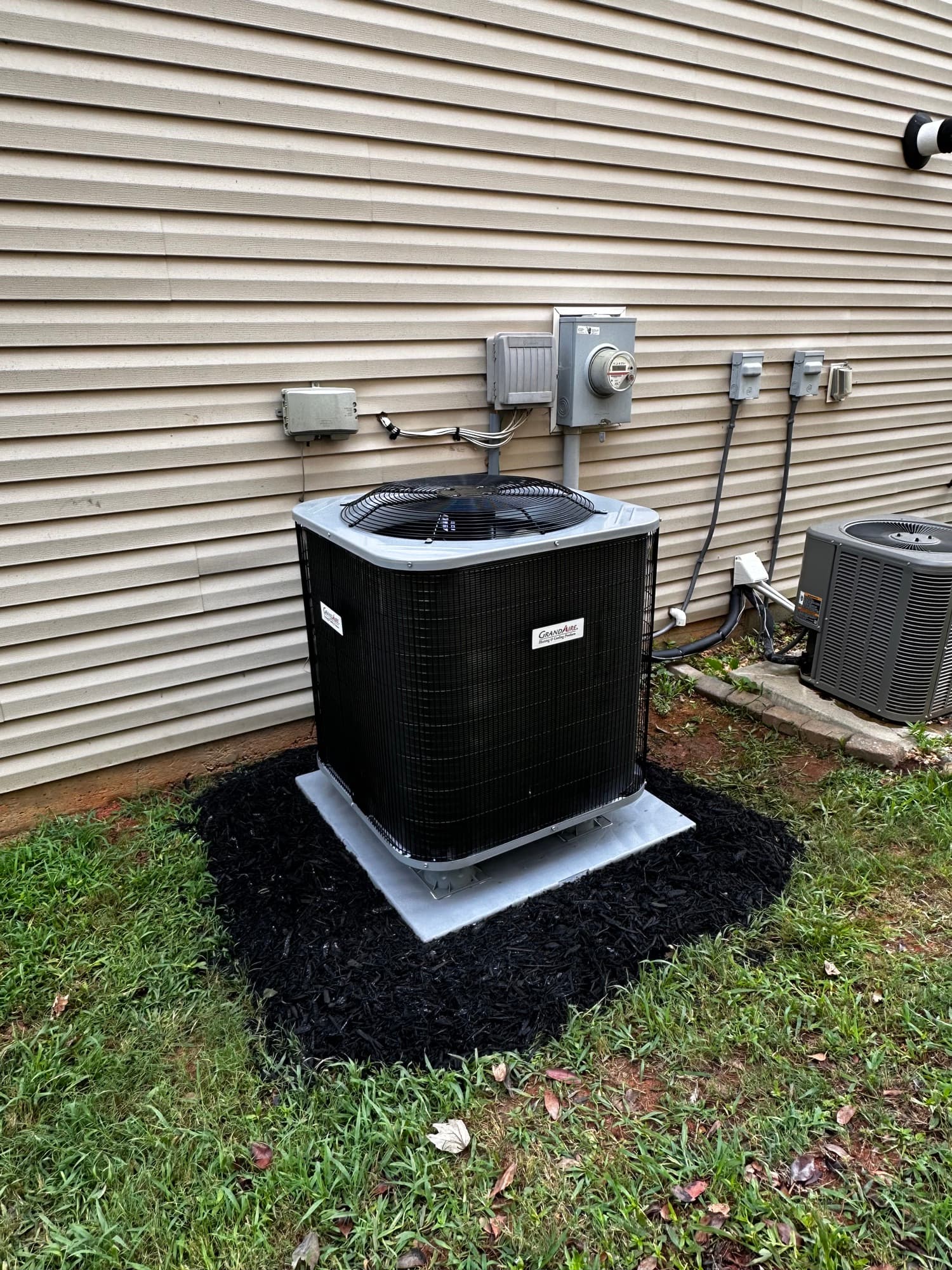
What outdoor AC fan not spinning usually means
A stopped outdoor fan may indicate lost power, a failed capacitor or motor, a control fault, or simply no cooling call; operating in a failed condition can stress other components.
The first useful clue
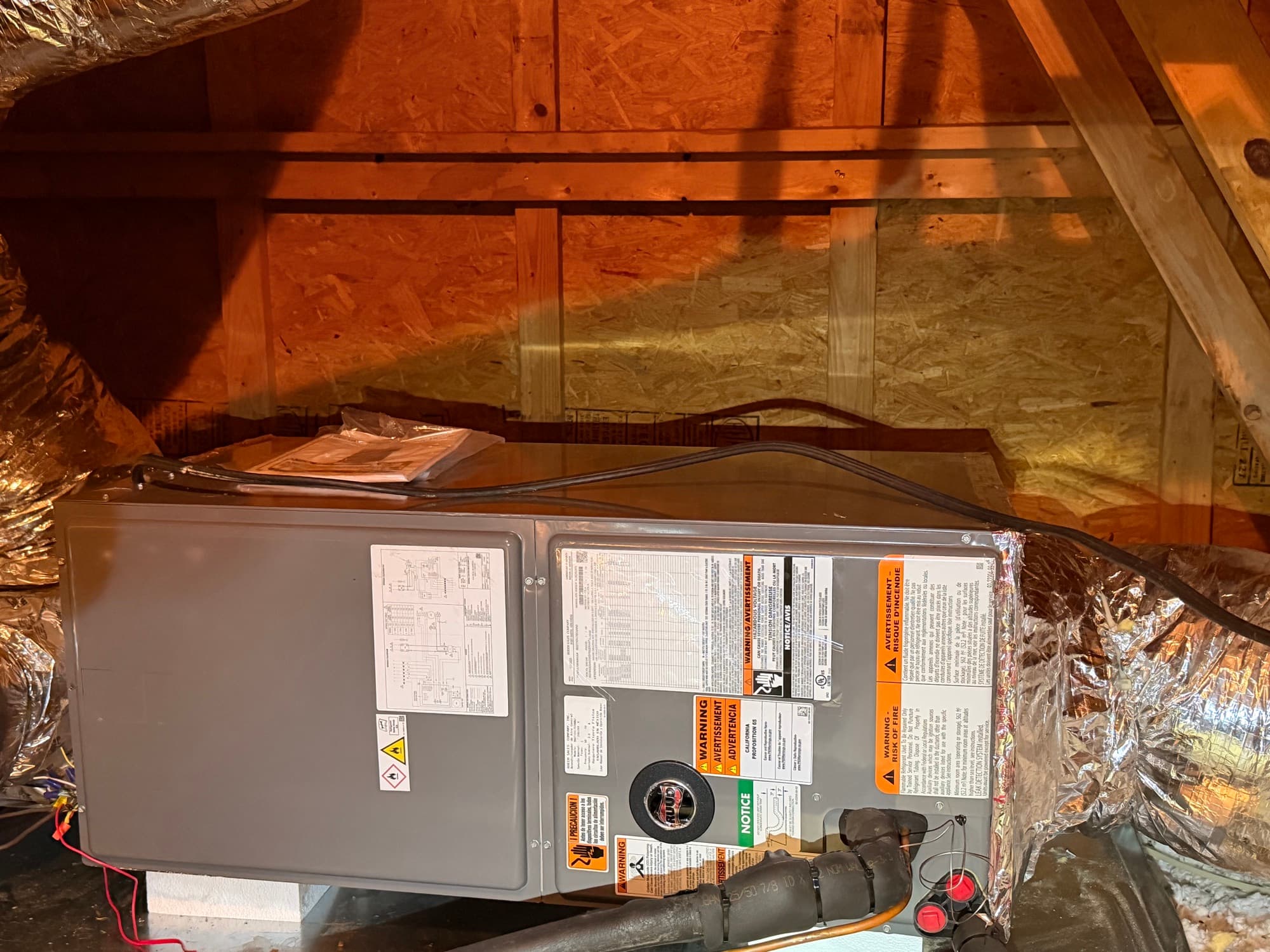
The indoor blower runs while the outdoor fan remains still.
Details that narrow down outdoor AC fan not spinning
- The outdoor cabinet hums or clicks without normal fan movement.
- Cooling performance dropped suddenly after a power interruption or storm.
Before an evaluation of outdoor AC fan not spinning, gather the equipment model, approximate age, repair history, filter history, and any prior estimate so the recommendation starts from the same facts.
What a homeowner can check safely
Turn cooling off and keep hands and tools away from the grille; check only a normally accessible breaker once.
Safety boundary
Limit homeowner checks to normal controls, accessible filters, visible obstructions, and observations. Shut the system down and get help for burning odors, arcing, repeated breaker trips, suspected gas or carbon monoxide, or any check that requires opening equipment. If you smell burning, suspect gas or carbon monoxide, see arcing, or feel unsafe, shut the system down from a safe location, leave the area when appropriate, and call emergency services or Restore at (864) 479-6737.
What the professional evaluation should answer
A technician can verify line voltage, capacitance, contactor output, motor windings, blade condition, and operating amperage.
Measurements related to outdoor AC fan not spinning should be interpreted against equipment design, manufacturer information, and the home's actual airflow and load—not an isolated rule of thumb.
- Is correct line and control voltage reaching the outdoor assembly?
- Do capacitor and motor tests confirm which component has failed?
- Did the stalled fan affect compressor operation or protective controls?
Why Upstate South Carolina conditions matter
Long cooling seasons, humid air, spring pollen, hot attics, and summer thunderstorms place different loads on Upstate systems. Those conditions can expose drainage, airflow, electrical, and capacity problems that stayed hidden during mild weather.
Cooling performance dropped suddenly after a power interruption or storm.
How to choose the next step without guesswork
If outdoor AC fan not spinning leads to an expensive recommendation, compare the corrected system's expected condition—not only today's invoice—with the age and condition of the remaining equipment.
- Is correct line and control voltage reaching the outdoor assembly?
- Do capacitor and motor tests confirm which component has failed?
- Did the stalled fan affect compressor operation or protective controls?