What HVAC surge protection lightning season usually means
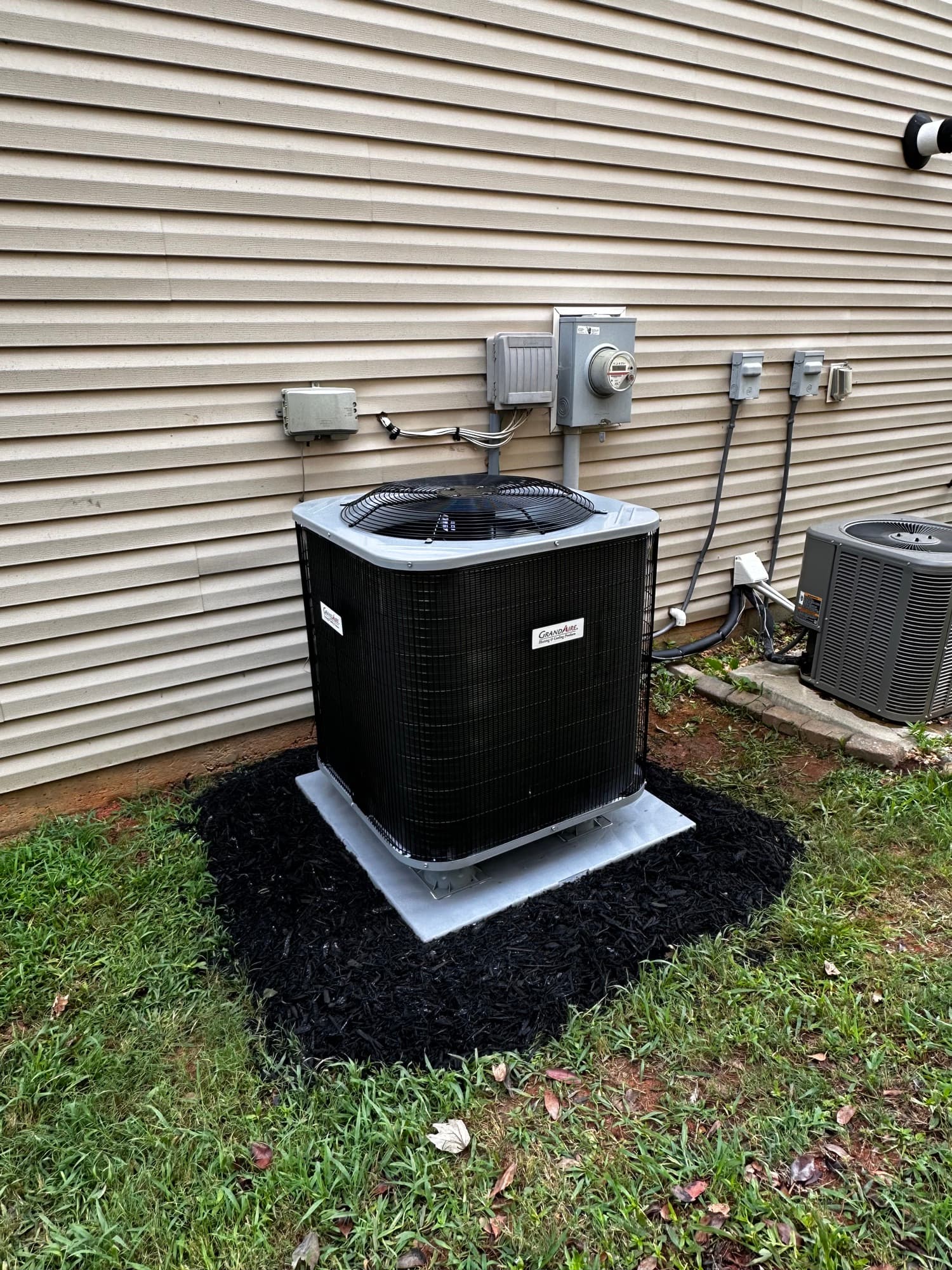
Surge protection can reduce risk to sensitive HVAC controls, but no device guarantees protection from every lightning event. A qualified professional should match and install protection at the appropriate equipment or electrical panel location.
The first useful clue
Sensitive control boards have failed after earlier electrical events.
Details that narrow down HVAC surge protection lightning season
- An existing surge device has no normal-status indication.
- The home experiences frequent lightning or utility disturbances.
When documenting HVAC surge protection lightning season, photograph the thermostat display and any safely visible condition, then note the weather and whether the system had recently changed modes.
What a homeowner can check safely
Check whether existing surge devices show a normal status light without opening panels or touching wiring.
Safety boundary
Never work on energized, flooded, storm-damaged, iced, or visibly unsafe equipment. After severe weather or an outage, use normal controls only and arrange an inspection when damage, burning, repeated tripping, or abnormal operation appears. If you smell burning, suspect gas or carbon monoxide, see arcing, or feel unsafe, shut the system down from a safe location, leave the area when appropriate, and call emergency services or Restore at (864) 479-6737.
What the professional evaluation should answer
Review service voltage, grounding and bonding conditions, equipment requirements, and coordinated surge-protection options with a qualified electrician when needed.
The written finding for HVAC surge protection lightning season should distinguish the confirmed cause, contributing conditions, present risk, and optional improvements so each recommendation is clear.
- Is protection needed at the HVAC equipment, service panel, or both?
- Does the proposed device match the voltage and available overcurrent protection?
- Who will verify grounding, bonding, installation, and replacement indicators?
Why Upstate South Carolina conditions matter
Greenville-Spartanburg climate normals show hot summers, while the region also experiences humidity, heavy pollen, thunderstorms, occasional freezes, and rapid temperature swings. Seasonal HVAC planning should prepare for those real local loads rather than a generic national schedule.
The home experiences frequent lightning or utility disturbances.
How to choose the next step without guesswork
When deciding what to do about HVAC surge protection lightning season, ask which finding changes the decision today and which items can be monitored, maintained, or budgeted for later.
- Is protection needed at the HVAC equipment, service panel, or both?
- Does the proposed device match the voltage and available overcurrent protection?
- Who will verify grounding, bonding, installation, and replacement indicators?