
What HVAC rattling noise causes usually means
Rattling may come from a loose panel, debris, duct movement, bearings, or a damaged blower or fan, and its location and timing help distinguish the source.
The first useful clue
Rattling occurs only during blower startup, compressor operation, or shutdown.
Details that narrow down HVAC rattling noise causes
- The sound is localized to a register, indoor cabinet, or outdoor unit.
- Wind, debris, or a recently removed access panel changes the noise.
Before an evaluation of HVAC rattling noise causes, gather the equipment model, approximate age, repair history, filter history, and any prior estimate so the recommendation starts from the same facts.
What a homeowner can check safely
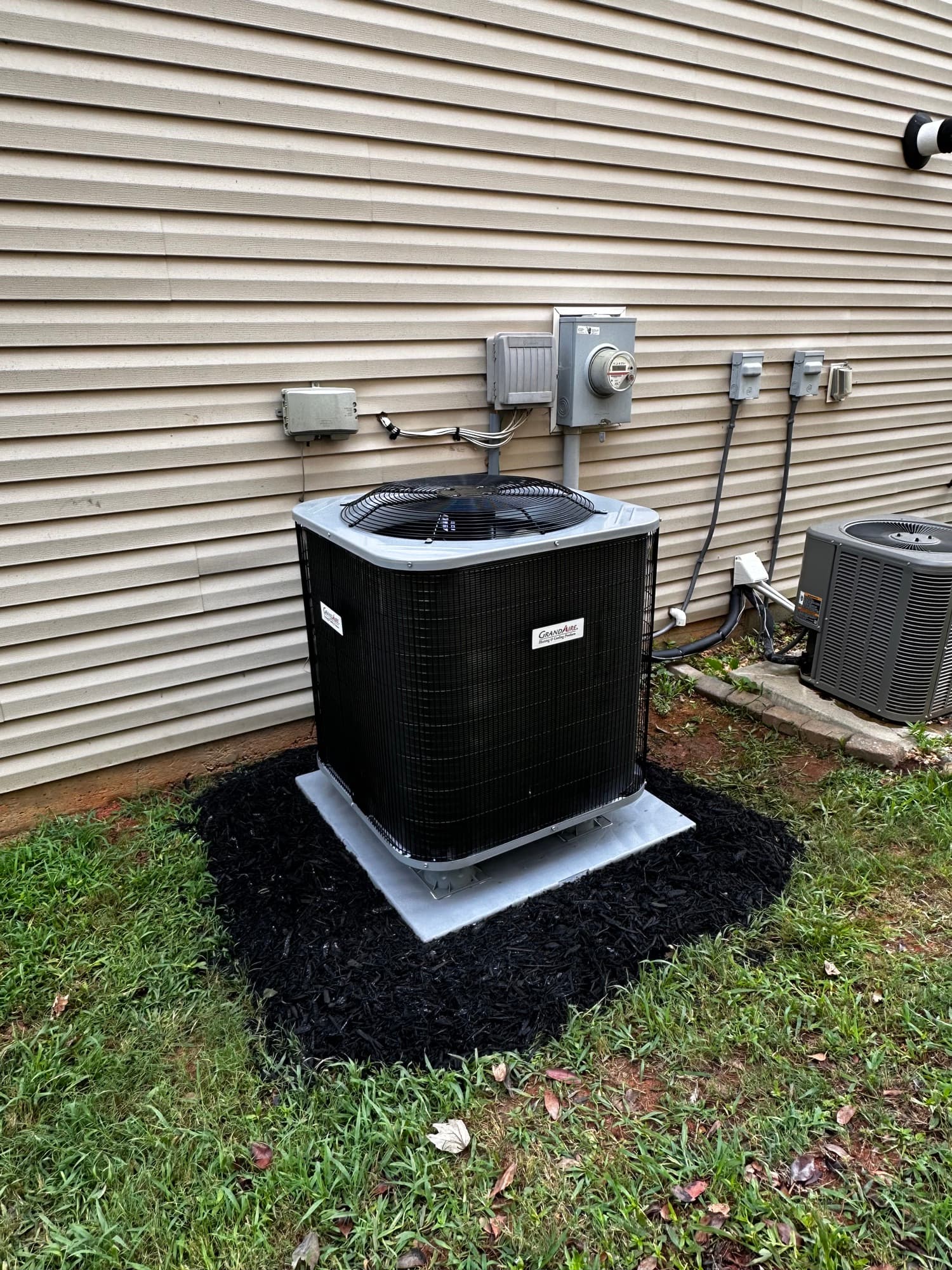
With equipment off, look for loose exterior debris or an unsecured cover, but do not reach through grilles or remove panels.
Safety boundary
Limit homeowner checks to normal controls, accessible filters, visible obstructions, and observations. Shut the system down and get help for burning odors, arcing, repeated breaker trips, suspected gas or carbon monoxide, or any check that requires opening equipment. If you smell burning, suspect gas or carbon monoxide, see arcing, or feel unsafe, shut the system down from a safe location, leave the area when appropriate, and call emergency services or Restore at (864) 479-6737.
What the professional evaluation should answer
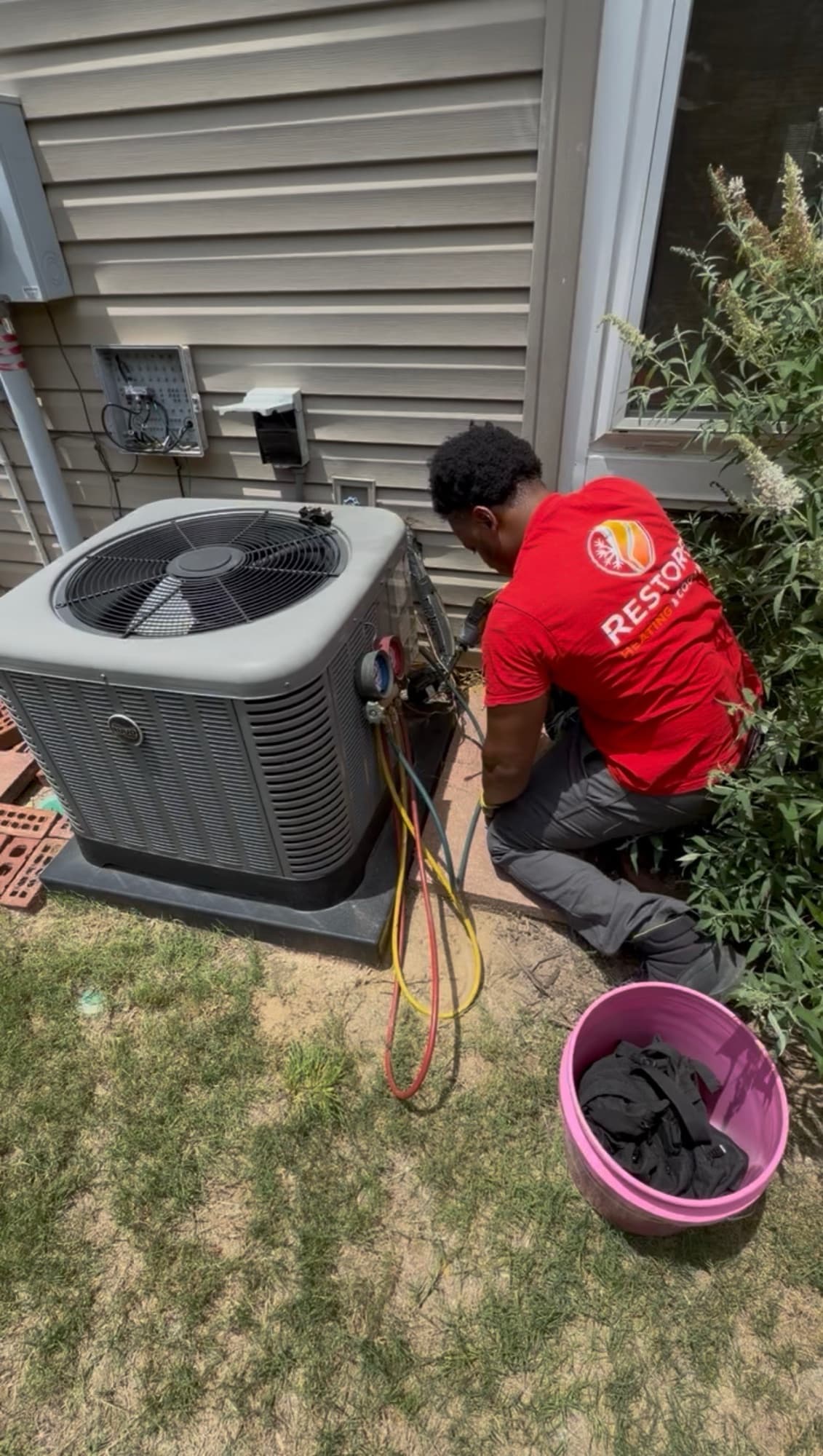
A technician can inspect mounts, bearings, blower wheels, fan blades, cabinet panels, and duct connections while reproducing the sound safely.
Measurements related to HVAC rattling noise causes should be interpreted against equipment design, manufacturer information, and the home's actual airflow and load—not an isolated rule of thumb.
- Can the sound be reproduced under a specific operating condition?
- Are panels, mounts, fan blades, blower wheels, bearings, or ducts loose or damaged?
- Does the vibration affect airflow, electrical load, or equipment reliability?
Why Upstate South Carolina conditions matter
Long cooling seasons, humid air, spring pollen, hot attics, and summer thunderstorms place different loads on Upstate systems. Those conditions can expose drainage, airflow, electrical, and capacity problems that stayed hidden during mild weather.
Wind, debris, or a recently removed access panel changes the noise.
How to choose the next step without guesswork
If HVAC rattling noise causes leads to an expensive recommendation, compare the corrected system's expected condition—not only today's invoice—with the age and condition of the remaining equipment.
- Can the sound be reproduced under a specific operating condition?
- Are panels, mounts, fan blades, blower wheels, bearings, or ducts loose or damaged?
- Does the vibration affect airflow, electrical load, or equipment reliability?