What HVAC heat wave tips Upstate SC usually means
During extreme heat, use a stable setpoint, reduce unnecessary heat gain, and keep airflow paths clear rather than making abrupt thermostat changes. Long runtimes may be expected, but loss of cooling, ice, repeated breaker trips, or electrical odors are not.
The first useful clue
The system runs continuously while indoor temperature holds nearly steady.
Details that narrow down HVAC heat wave tips Upstate SC
- Sun-exposed rooms drift warmer than shaded rooms.
- Cooling loss is accompanied by ice, breaker trips, or electrical odor.
For HVAC heat wave tips Upstate SC, record when the condition appears, how long it lasts, which rooms or operating modes are affected, and what changed immediately beforehand.
What a homeowner can check safely
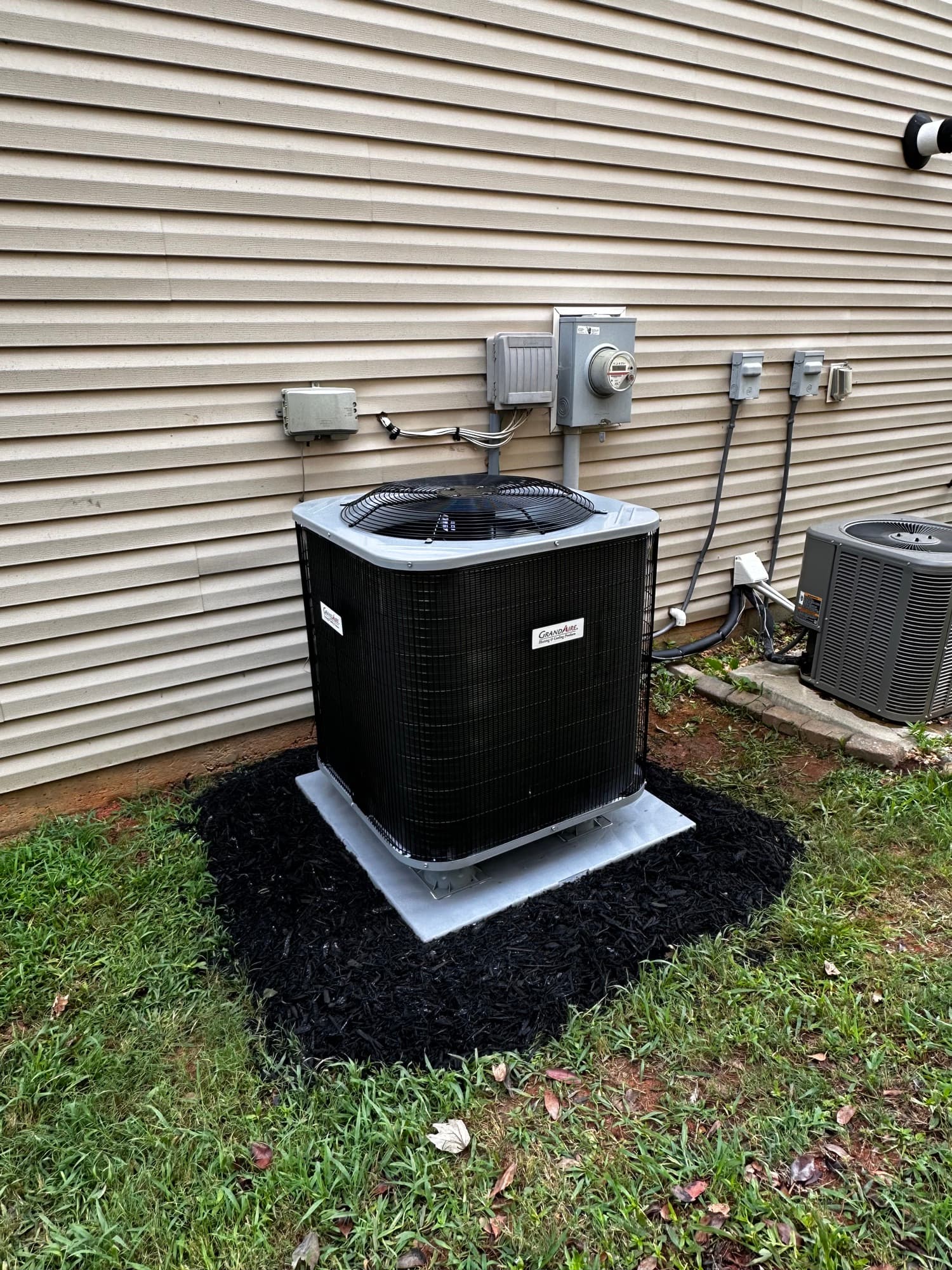
Close sun-facing shades, verify the filter is clean, and keep the outdoor unit clear while avoiding electrical compartments and refrigerant lines.
Safety boundary
Never work on energized, flooded, storm-damaged, iced, or visibly unsafe equipment. After severe weather or an outage, use normal controls only and arrange an inspection when damage, burning, repeated tripping, or abnormal operation appears. If you smell burning, suspect gas or carbon monoxide, see arcing, or feel unsafe, shut the system down from a safe location, leave the area when appropriate, and call emergency services or Restore at (864) 479-6737.
What the professional evaluation should answer
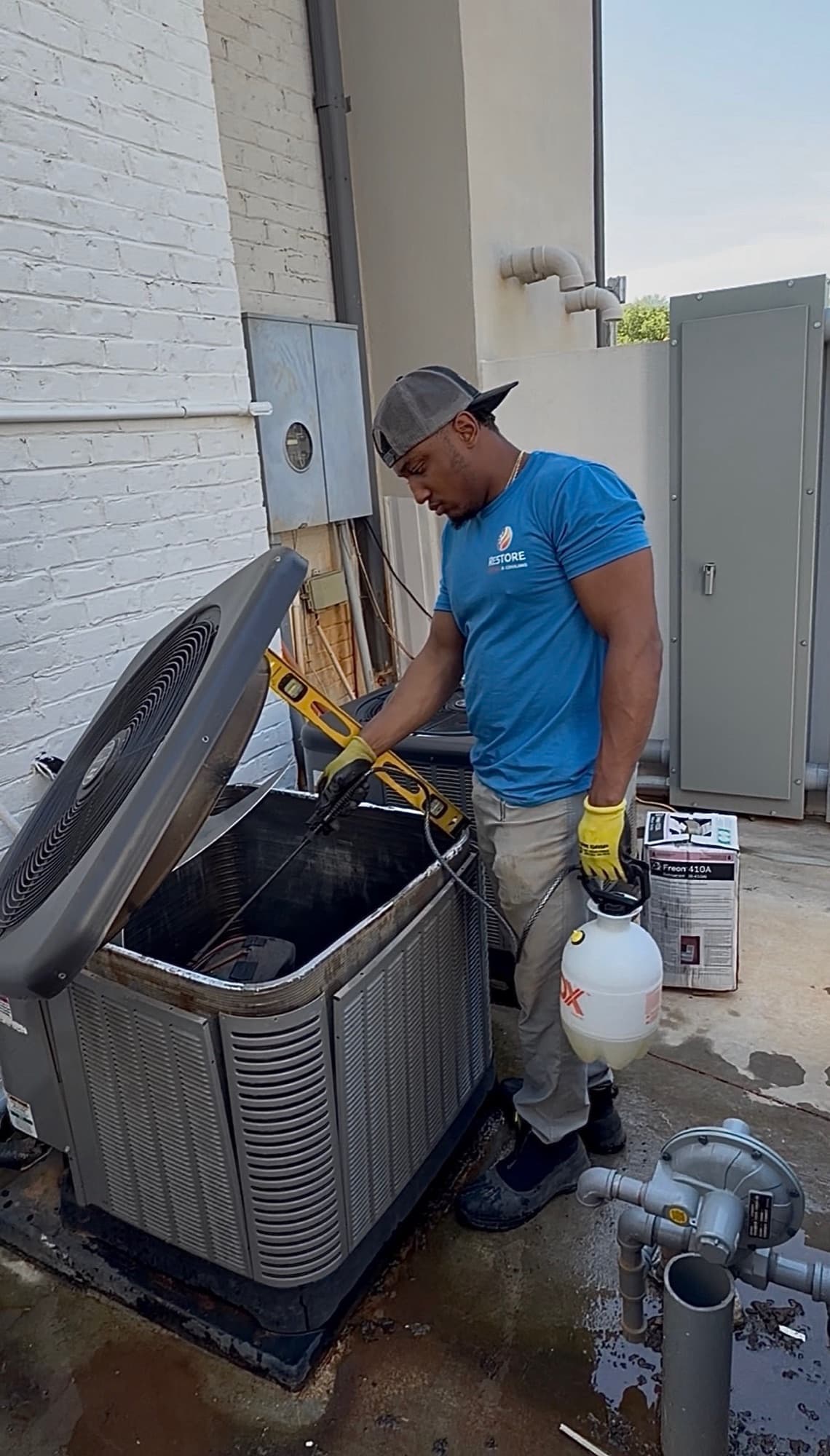
Evaluate cooling operation under peak load, including static pressure, coil temperatures, electrical condition, and duct losses in hot spaces.
A useful diagnosis of HVAC heat wave tips Upstate SC connects the complaint to repeatable measurements under the conditions that produce it; a single symptom or part guess is not enough.
- Is the indoor temperature stable or falling farther behind each hour?
- How much of the peak discomfort comes from solar gain or duct loss?
- Do operating readings show a fault or normal performance near design conditions?
Why Upstate South Carolina conditions matter
Greenville-Spartanburg climate normals show hot summers, while the region also experiences humidity, heavy pollen, thunderstorms, occasional freezes, and rapid temperature swings. Seasonal HVAC planning should prepare for those real local loads rather than a generic national schedule.
Cooling loss is accompanied by ice, breaker trips, or electrical odor.
How to choose the next step without guesswork
For HVAC heat wave tips Upstate SC, separate the immediate problem from secondary improvements, then compare the evidence, scope, warranty, exclusions, and verification plan.
- Is the indoor temperature stable or falling farther behind each hour?
- How much of the peak discomfort comes from solar gain or duct loss?
- Do operating readings show a fault or normal performance near design conditions?