
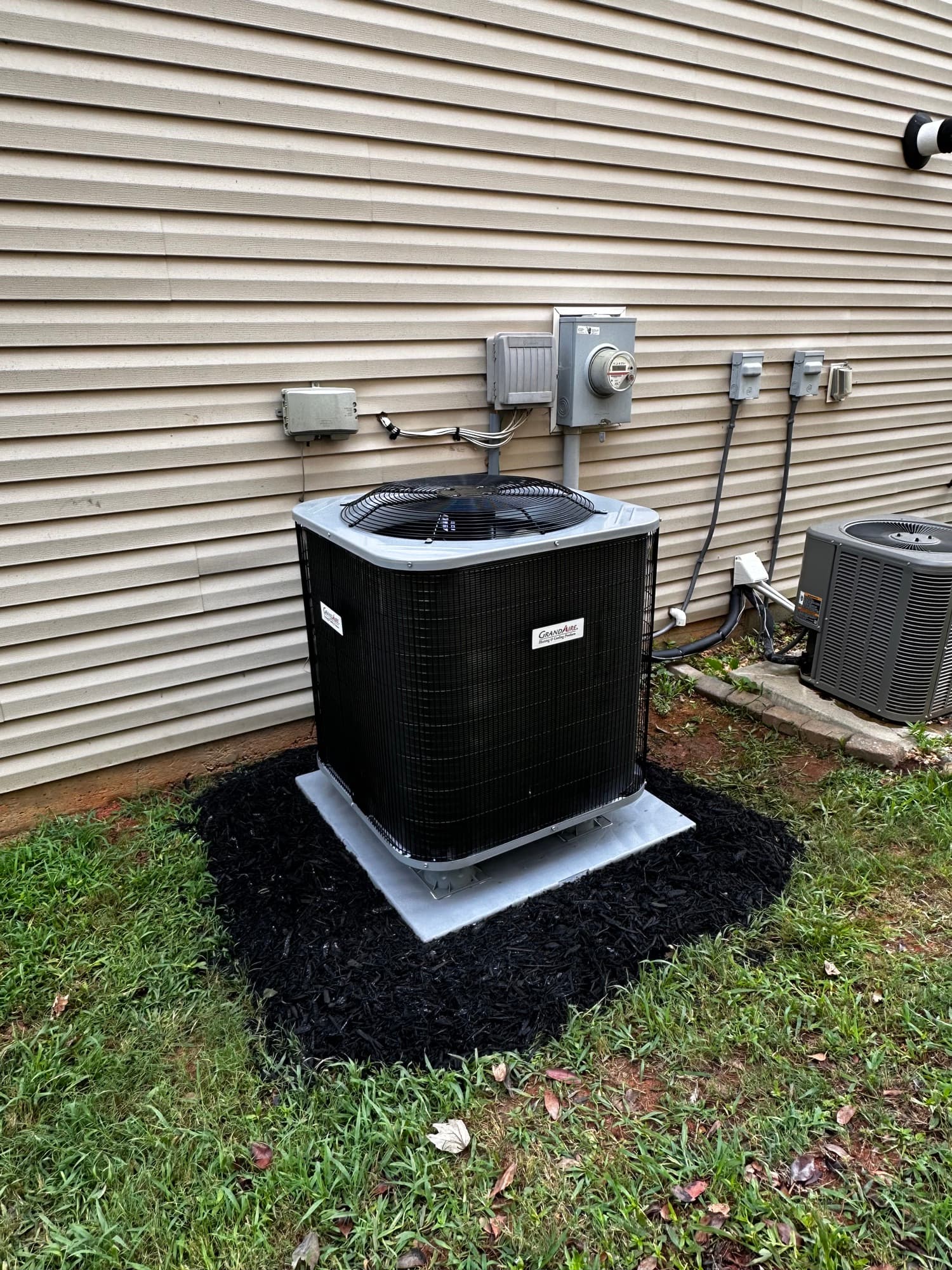
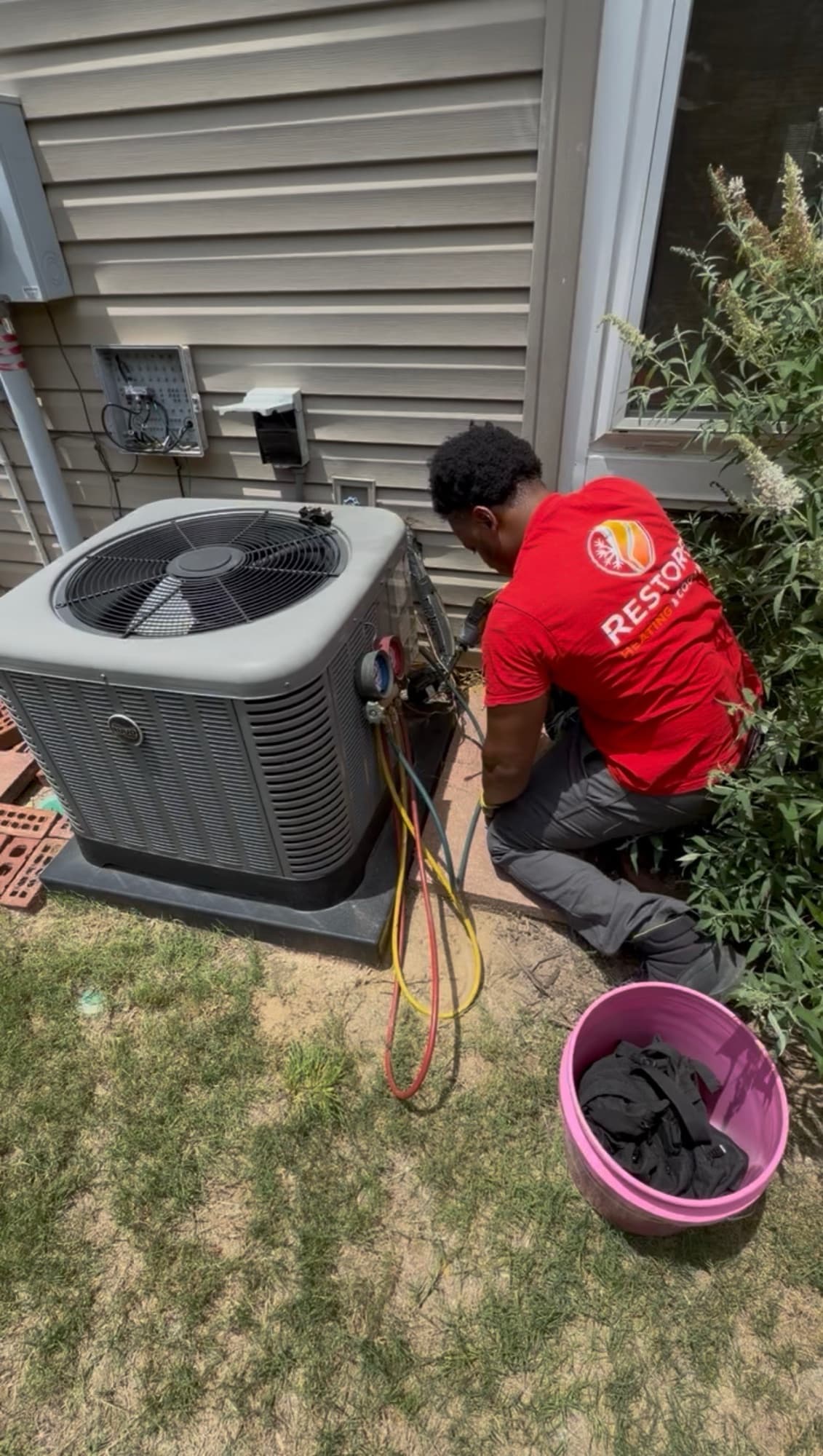
What new HVAC system first year maintenance usually means
The first year should establish filter and service routines, confirm drainage and controls, preserve commissioning records, and catch installation or comfort issues while details are fresh.
The first useful clue
Comfort, noise, drainage, or runtime differs from the installation handoff expectations.
Details that narrow down new HVAC system first year maintenance
- Filters show an unexpected loading pattern during the first seasons of operation.
- Model, registration, commissioning, and warranty records are complete or have clear gaps.
Before an evaluation of new HVAC system first year maintenance, gather the equipment model, approximate age, repair history, filter history, and any prior estimate so the recommendation starts from the same facts.
What a homeowner can check safely
Keep documents, inspect filters, log unusual noise or comfort, and avoid changing installer setup values.
Safety boundary
Follow the equipment manual and keep DIY maintenance outside sealed panels and hazardous areas. Electrical testing, refrigerant work, combustion analysis, internal cleaning, and repairs belong with trained professionals. If you smell burning, suspect gas or carbon monoxide, see arcing, or feel unsafe, shut the system down from a safe location, leave the area when appropriate, and call emergency services or Restore at (864) 479-6737.
What the professional evaluation should answer
The installing contractor should review startup measurements, airflow, drainage, controls, equipment registration, and any warranty concerns.
Measurements related to new HVAC system first year maintenance should be interpreted against equipment design, manufacturer information, and the home's actual airflow and load—not an isolated rule of thumb.
- Do current airflow and startup readings still align with commissioning results?
- Are control settings, drains, ducts, and accessories performing as designed?
- Which first-year concern belongs under installation support or equipment warranty?
Why Upstate South Carolina conditions matter
Heavy pollen, humid condensate loads, extended cooling runtime, leaf debris, and abrupt shoulder-season changes can make Upstate maintenance needs different from a generic calendar. Inspection frequency should reflect the home, occupants, filter loading, and equipment condition.
Model, registration, commissioning, and warranty records are complete or have clear gaps.
How to choose the next step without guesswork
If new HVAC system first year maintenance leads to an expensive recommendation, compare the corrected system's expected condition—not only today's invoice—with the age and condition of the remaining equipment.
- Do current airflow and startup readings still align with commissioning results?
- Are control settings, drains, ducts, and accessories performing as designed?
- Which first-year concern belongs under installation support or equipment warranty?